Golden Age Games Model Adapted for Memory Care Facilities?

See how care homes adapt Golden Age contests to support movement, thinking, and connection.
See how care homes adapt Golden Age contests to support movement, thinking, and connection.

A practical, score-free way to pick dementia-friendly games: match no-fail, low-pressure activities to ability, not to a MoCA number.

A caregiver's practical guide to what tablet and board games each demonstrably improve, and where the research still falls short of a direct verdict.

Why familiar, failure-free games beat new ones once daylight fades, and how to time and set up the activity so it actually calms rather than overwhelms.
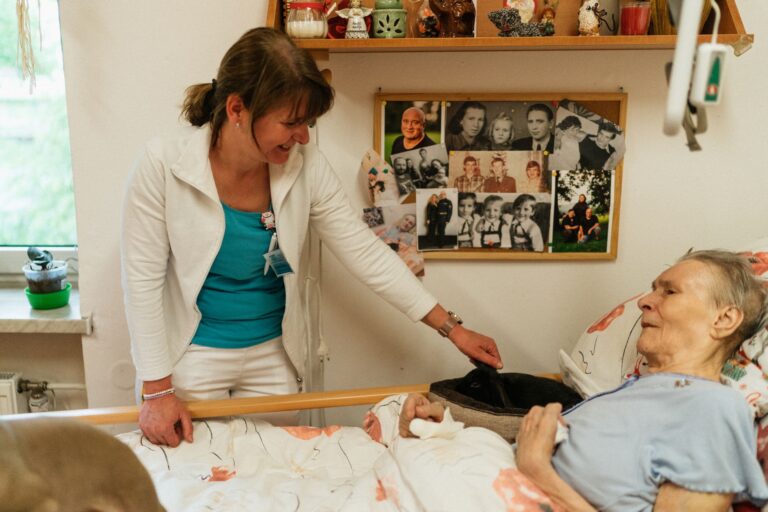
What the research actually links to better memory and attention in MCI, how often to play, and where the evidence on trivia specifically still falls short.

Large plain pieces, bright light, seated play and two-option choices — the specific design rules that match how Lewy body dementia actually progresses.
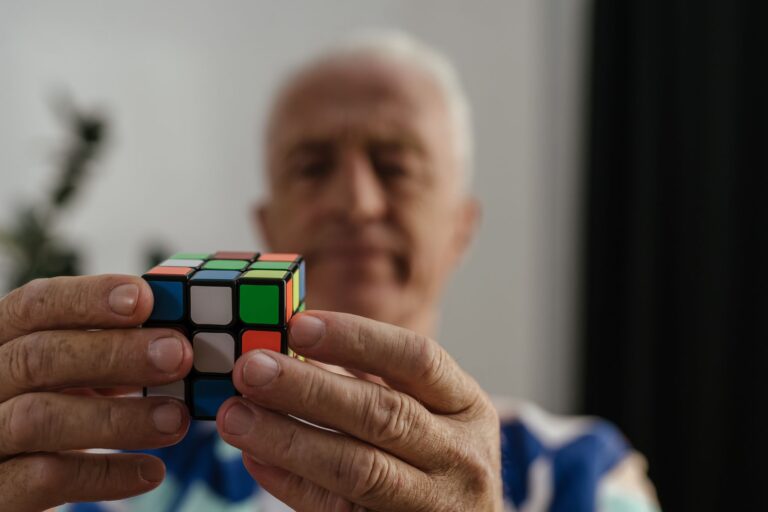
Only one narrow, timed brain training shows real dementia-risk evidence—here is what helps, what does not, and what to do.

Games can slow cognitive decline and ease agitation in Alzheimer's, but matching the game to the person's abilities is more important than the game itself.
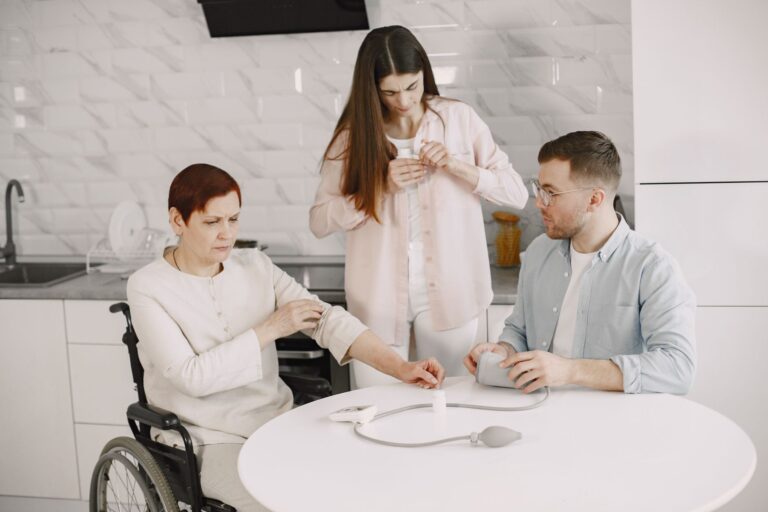
While some research suggests cognitive stimulation may slow cognitive decline in early stages, no definitive study has shown that solving crosswords or...
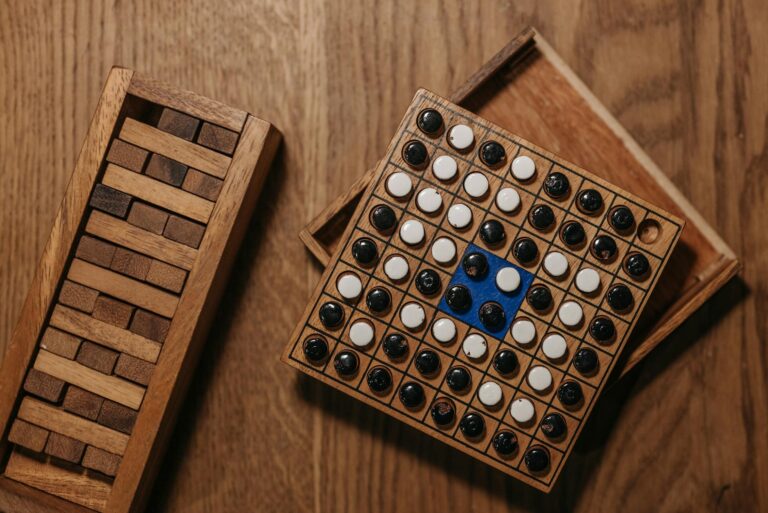
Cognitive games won't stop dementia or prevent cognitive decline. While puzzle apps, brain training websites, and memory exercises can be enjoyable and...
HelpDementia.com
Dementia, Alzheimer's, Caregiving & Healthy Aging Guidance
© 2026 HelpDementia.com. All rights reserved.
Educational information only. It is not medical advice and does not replace care from a qualified clinician.