Active family games that help caregivers stay engaged include adapted classics like dominoes, cards, and snap, music games like song guessing and lyric finishing, plus walks, puzzles, and shared creative activities. These options use familiar rules and senses rather than new learning, so both sides can join in. Dementia means ongoing loss of memory and thinking skills that makes daily life harder. For families, the practical goal is shared time that feels calm and connected, not a test of recall.
Medical information disclaimer: This article is for general educational purposes only and does not provide medical advice, diagnosis, or treatment. Always consult a physician or other qualified health professional about symptoms, medications, tests, or treatment decisions.
Table of Contents
- Which board and card games work best?
- How can music make games more engaging?
- What active games fit early-to-middle stage days?
- What benefits should families expect?
Which board and card games work best?
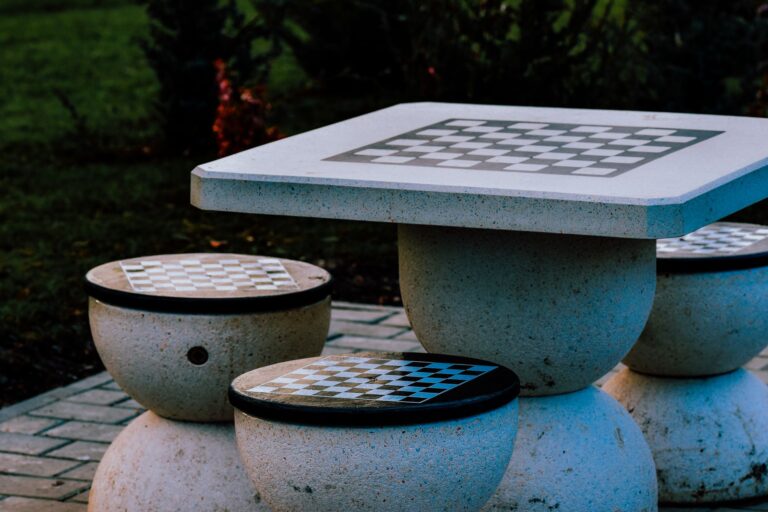
Stick with games the person may already know, such as dominoes, Ludo, snakes and ladders, snap, and simple card games, as recommended in game ideas from Alzheimer's Society UK game ideas from Alzheimer's Society UK. Familiar boards lower frustration because the steps feel automatic. Choose large pieces, clear colors, and short rounds.
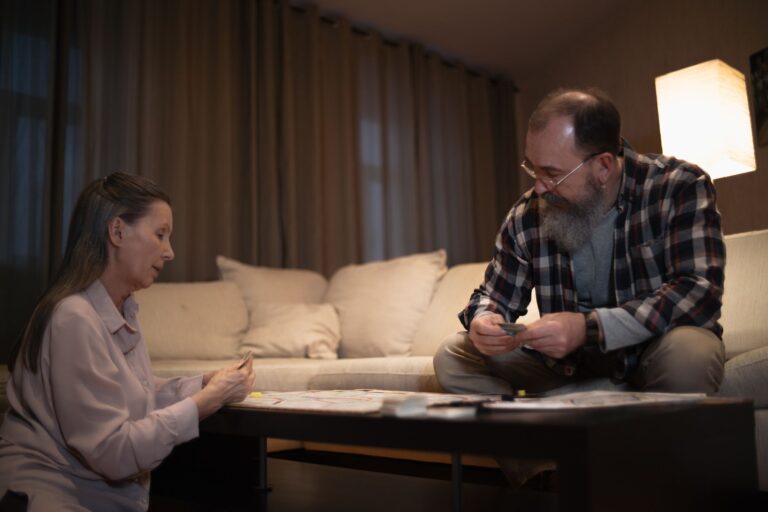
Play as a team when attention fades. Let the person roll, match, sort, or choose while the caregiver handles scorekeeping and rules. In a 2025 Frontiers in Psychology study of 36 people with dementia, mean age 86.1, observed well-being during group board games was higher than discomfort 2025 board-game findings. Stop while the mood is still good.
How can music make games more engaging?
Try musical bingo, name-that-tune, finishing a known lyric, clapping along, or listening together. Alzheimer's Society UK lists musical bingo and finishing lyrics as simple ways to build on strengths game ideas from Alzheimer's Society UK. Music works because hearing a song is easier than remembering a fact.
The Alzheimer's Association says music and art allow self-expression and engagement even after dementia has progressed art and music guidance from the Alzheimer's Association. Keep volume low and pick songs from teen and young-adult years. Sing together, hum, move hands to the beat, or draw while music plays.
What active games fit early-to-middle stage days?
Add short walks, gentle active games, crosswords, puzzles, creative work, and music to the daily plan. The Alzheimer's Association includes walks, active games, music, crossword puzzles, and creative activities in its early-to-middle stage daily care plan. Rotate one active choice with one calm choice to avoid fatigue.
The National Institute on Aging advises shared activities such as making a memory book from old photos, doing chores together, walking, listening to music, and doing puzzles activities guidance from the National Institute on Aging. Fold laundry side by side, sort photos, water plants, or walk the same safe route. Keep outings brief, bring water, and watch for tired feet or confusion in crowds.
What benefits should families expect?
Expect better mood, contact, and communication rather than restored memory. A peer-reviewed review found combined music and game programs reduced agitation, aggression, apathy, and anxiety while aiding communication and emotional expression in mild-to-moderate dementia. Families often see more smiles, eye contact, singing, and talk during play.
Plan for limits and adjust fast. The 2025 board-game study found early improvement after the first month but no significant overall cognitive gain across the full period, so aim for connection and comfort 2025 board-game findings. Shorten the game, simplify choices, switch to music, or end with a snack and rest when attention drops.