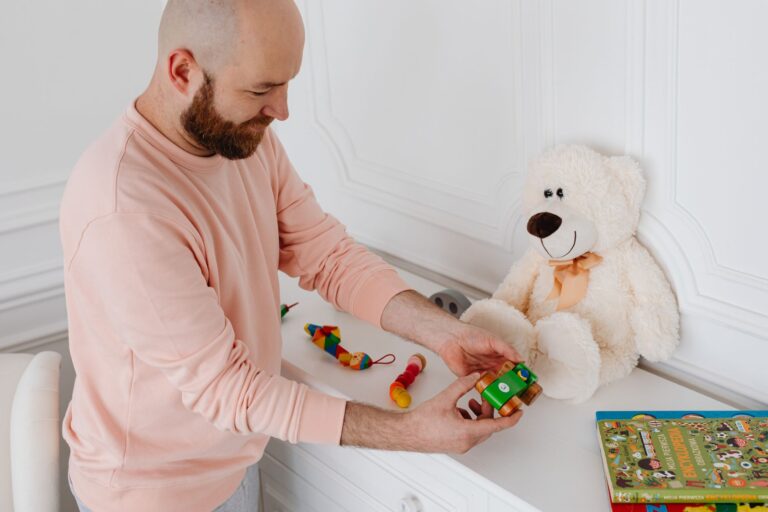
The most supportive toys are simple sensory comforts, reminiscence puzzles, easy-handle games, music players, and soft dolls or robotic pets. They calm restlessness, spark conversation, and let visiting families share laughter without demanding complex rules. Dementia causes progressive problems with memory, thinking, and daily tasks. During busy holidays, familiar roles and stage-matched activities keep visits calmer for caregivers and relatives.
Medical information disclaimer: This article is for general educational purposes only and does not provide medical advice, diagnosis, or treatment. Always consult a physician or other qualified health professional about symptoms, medications, tests, or treatment decisions.
Table of Contents
- Which tactile comforts ease restlessness?
- How do memory and music toys spark connection?
- Which games keep the whole family included?
- What should caregivers avoid bringing?
Which tactile comforts ease restlessness?
Fidget muffs, sensory blankets, and activity boards give hands something soothing to do. According to the Alzheimer Society of Durham Region, these items use zippers, buttons, and textures to provide calming tactile input during visits holiday gift ideas. Caregivers can offer one item at a time in a quiet chair.
Soft therapy dolls and lifelike robotic pets offer comfort and companionship. The same Society says they can reduce anxiety while encouraging gentle holding and stroking. Keep the animal clean, nearby, and optional so the person can accept or ignore it.
How do memory and music toys spark connection?
Reminiscence puzzles and story kits use familiar nature, music, or hobby themes. They provide gentle mental stimulation and prompt conversation without testing memory. Choose large pieces, clear pictures, and a theme tied to past work or interests.
Simple preloaded music devices encourage singing, movement, and shared relaxation. Pair music with past photos, seasonal songs, or short trivia for wider participation. Let the relative control volume or song choice when possible.
Which games keep the whole family included?
Accessible games with simple rules and large easy-to-handle pieces work best for mixed ages. The Alzheimer Society of Durham Region notes that large-print cards and music group games promote inclusive laughter and companionship seasonal gift guidance.
Avoid scoring pressure and play in short rounds. Familiar Christmas activities also help, including traditional charades and family board games such as Scrabble, Monopoly, battleships, chess, or draughts, as advised by Dementia UK Christmas activities for people living with dementia. Match the game to current ability and past enjoyment.
- Give the person a real role, such as setting the table or decorating
- Keep instructions to one step at a time
- Stop while the mood is still positive
What should caregivers avoid bringing?
Complex toys often create more stress than fun during holiday visits. The Alzheimer's Association warns caregivers not to give dangerous tools, utensils, challenging board games, complicated electronics, or live pets holiday caregiving guidance. Choose stage-matched gifts that fit present skills.
Check batteries, volume, cords, and small parts before wrapping. Bring one main activity rather than a bag of options. Leave extra time for rest, snacks, and toileting between play.