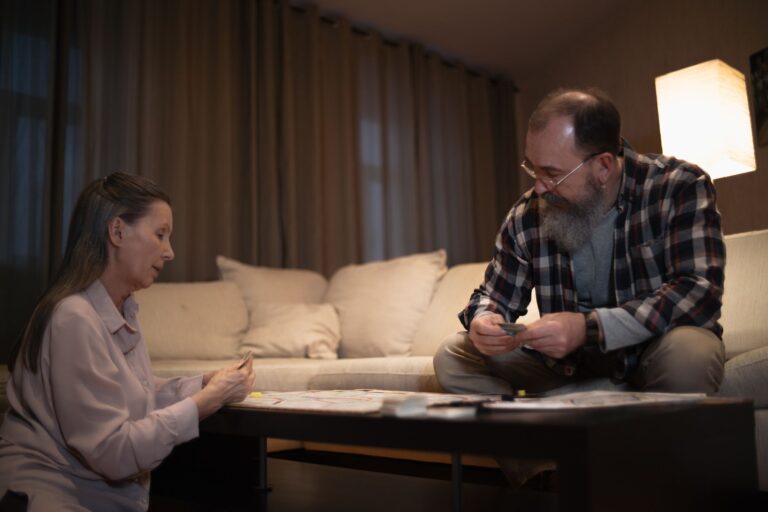
Active family games that keep caregivers engaged include dancing to liked music, tossing a soft ball, walking, gardening, and sharing photo albums. Caregiver-led favorites also include bingo, beanbag toss, treasure hunt, draw-the-word, card games, and jigsaw puzzles. Memory loss here means Alzheimer's disease and related dementias that impair memory, attention, and daily function. The best choices are active, social, and matched to present abilities and interests.
Medical information disclaimer: This article is for general educational purposes only and does not provide medical advice, diagnosis, or treatment. Always consult a physician or other qualified health professional about symptoms, medications, tests, or treatment decisions.
Table of Contents
- Which active games work well at home?
- What caregiver-led games hold attention?
- How does a tailored activity plan help families?
- Can movement games help severe dementia?
- How do you keep games enjoyable?
Which active games work well at home?
The National Institute on Aging advises families to dance to liked music, throw a soft ball, take walks, garden, and look through photo albums together, as described in its National Institute on Aging guidance. These activities keep both people moving and talking without complex rules or setup.
The Alzheimer's Association includes take a walk and play an active game in its sample plan for early-to-middle-stage dementia in the Alzheimer's Association daily plan. The same plan pairs movement with crafts, photo reminiscing, and chores done together. Families can rotate one active choice with one calm choice each day.
What caregiver-led games hold attention?
UC San Diego's Alzheimer's center lists bingo, tossing a ball or beanbag, treasure hunt, draw-the-word, card games, and jigsaw puzzles for caregivers in its UC San Diego activities guide. The center notes bingo can aid memory, listening, and decision-making. Short turns, large pieces, and visible scores help participation.
Group format also matters. A Dutch nursing-home study of 21 residents with moderate-to-advanced dementia found group recreational activities produced the strongest behavioral and physiological signs of engagement. Solo watching and one-to-one watching engaged residents less.
How does a tailored activity plan help families?
A randomized pilot of 60 dementia-family caregiver dyads tested an 8-session home program called the Tailored Activity Program. The program reduced neuropsychiatric behaviors, promoted activity engagement, and reduced caregiver burden versus wait-list control, according to the PubMed summary of the trial.
The practical lesson is fit. Caregivers learned to select activities around remaining abilities, prepare the space, simplify steps, and coach during the task. That structure turns free play into repeated success.
Can movement games help severe dementia?
A Belgian trial tested the Dividat Senso step-plate exergame with 45 care-home residents averaging age 85 with severe dementia. Residents played 15 minutes three times weekly for eight weeks. Attention, memory, mobility, and depressive symptoms improved versus a control activity, according to the KU Leuven report.
The result does not make exergames required equipment. It shows brief, supervised stepping with cues can still engage people with advanced loss. Families without devices can use music, marching, ball toss, and walking for similar active contact.
How do you keep games enjoyable?
Match the game to current abilities and interests, offer it at the person's best time of day, and keep it short and slow. Stop or switch when enjoyment fades. Useful habits include:.
- Offer one clear choice, not a menu of games
- Demonstrate first, then invite one small turn
- Shorten rounds, enlarge pieces, lower noise
- End on a good moment and note what worked for next time