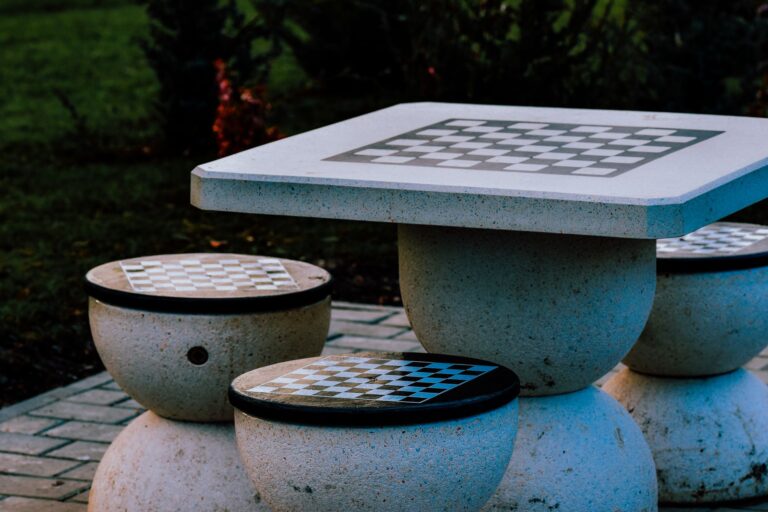
Caregivers ease holiday visit anxiety by offering short, familiar games with simple rules and large, easy-to-handle pieces. They use the game to shift attention from noise and crowds to calm, one-to-one connection. Dementia means ongoing loss of memory and thinking skills, so new faces and loud rooms can feel confusing. Holiday gatherings with large groups and unfamiliar places can leave both patients and visitors anxious and overwhelmed.
Medical information disclaimer: This article is for general educational purposes only and does not provide medical advice, diagnosis, or treatment. Always consult a physician or other qualified health professional about symptoms, medications, tests, or treatment decisions.
Table of Contents
- Why do holiday visits feel overwhelming?
- Which games work best for a calm visit?
- When and how should caregivers start the game?
- What benefits and limits should families expect?
Why do holiday visits feel overwhelming?
Large groups, unfamiliar faces, new places, and loud noises can trigger anxiety and confusion. The Alzheimer Society of Canada notes this strain affects both the person with dementia and visitors, in its 10 tips for holiday visiting.
Late-day fatigue makes the problem worse. A tired person has less ability to filter sound, track conversation, or recognize visitors. Caregivers therefore treat timing and group size as part of anxiety control, not just politeness.
Which games work best for a calm visit?
The most calming options are accessible, success-based, and familiar. Examples include large-print cards, simple word puzzles, music-inspired group games, decorating cookies, wrapping boxes, setting the table, and sealing cards.
These choices create a relaxed and inclusive setting. Interactive and familiar play calms better than solo fiddly objects.
- pick one activity with clear, short steps
- use large pieces that are easy to see and hold
- play familiar holiday music and offer traditional foods
- keep the focus on laughter and companionship, not winning
When and how should caregivers start the game?
Schedule visits in the morning or midday when the person is rested. Invite one visitor at a time to limit stimulation, especially for later-stage dementia.
If noise rises, switch early to a quiet distraction. The National Institute on Aging recommends looking at pictures together, taking a walk, or showing a guest photo starting a week before arrival, in its holiday hints for Alzheimer's caregivers. Start the game before anxiety peaks, then stop while the mood is still good.
What benefits and limits should families expect?
A 2025 preliminary study of 36 older adults with dementia, mean age 86.1, found observed well-being during group board games was significantly higher than discomfort. The authors report the finding in their 2025 board-game study. That support is for mood and connection, not lasting memory repair.
The same study saw a cognitive gain after the first month but no significant overall increase across the full period. A separate standardized-stimuli trial also found live social contact reduced physical agitation most, followed by music and self-identity items. Expect a warmer visit, then plan the next quiet activity.