Yes, garden work can anchor a realistic brain-health routine alongside hypertension, diabetes, heart disease, or arthritis. A dementia prevention routine means fixed weekly habits that raise activity and contact while keeping chronic symptoms stable. You do not need a large plot or daily hours to start.
Regular or almost-daily garden work was tied to about 28% lower new dementia risk than no garden work. The Journal of Visualized Experiments study summary followed 8,676 adults, median age 86, for 4.3 years, as shown in its national cohort study summary. That pattern is promising, yet it fits inside a wider risk picture you can act on.
Medical information disclaimer: This article is for general educational purposes only and does not provide medical advice, diagnosis, or treatment. Always consult a physician or other qualified health professional about symptoms, medications, tests, or treatment decisions.
Table of Contents
- What Links Gardening to Brain Health?
- How Much Garden Time Counts as Exercise?
- How Do You Adapt Gardening With Chronic Conditions?
- What Does a Realistic Week Look Like?
- When Should You Pause and Get Guidance?
What Links Gardening to Brain Health?
About 45% of worldwide dementia cases link to 14 modifiable risks, says the Lancet Standing Commission. They include inactivity, diabetes, hypertension, obesity, smoking, depression, isolation, and vision or hearing loss. Gardening touches several at once through movement, daylight routine, and contact with others. The Alzheimer's Association notes exercise may lower Alzheimer's and vascular dementia risk. It also notes Mediterranean and DASH diets may help, while social and intellectual activity might help.
HelpDementia.com reporting on a Nutrition Journal analysis counted 136,748 U.S. adults 45 and older. Gardeners had 28% lower subjective decline and 43% lower functional limits from cognitive decline. Subjective decline means you notice more memory slips than before. Functional limits mean those slips interfere with shopping, bills, or medication routines.
How Much Garden Time Counts as Exercise?
Adults 65 and older need at least 150 minutes weekly of moderate aerobic activity, plus strength and balance work. The CDC sets the same 150-minute aerobic target for adults with chronic conditions who can be active, per its federal activity guidelines. General gardening counts as moderate activity like brisk walking.
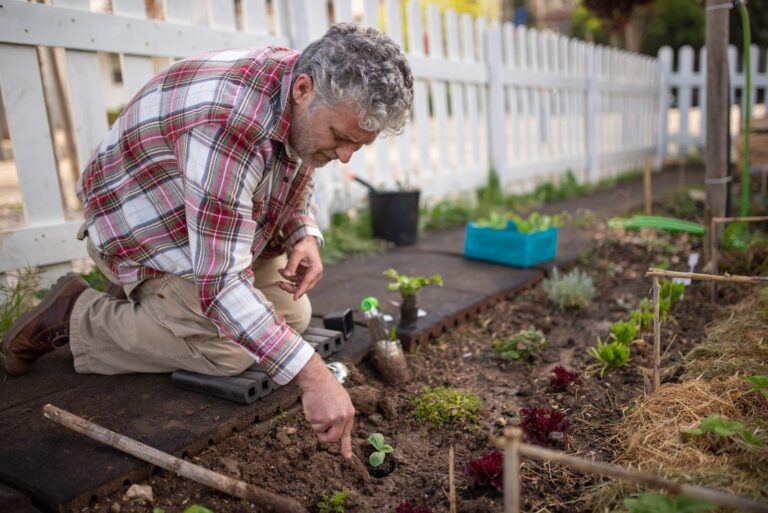
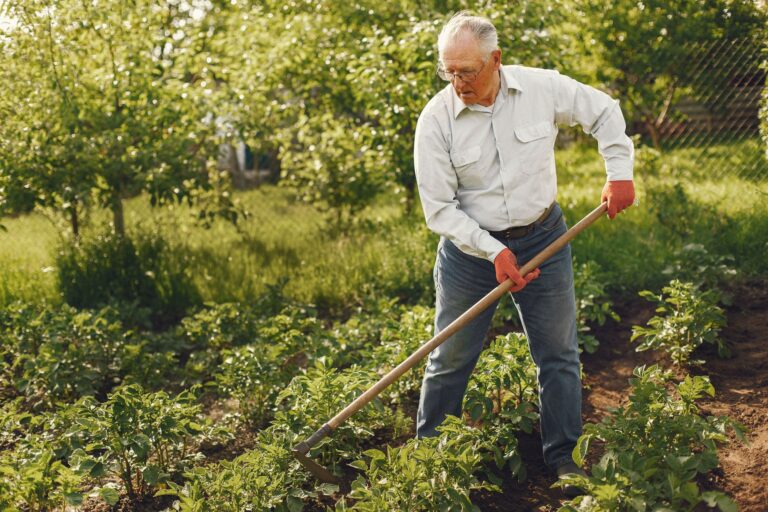
Continuous digging or hoeing counts as vigorous activity, says CDC examples shared via Living Root in its garden exercise examples. That means planting, weeding, and raking can build toward weekly minutes without a gym. Five 30-minute weeding or planting sessions reach 150 minutes for the week. Add two short strength sets with bands and heel-to-toe balance practice on non-dig days.
How Do You Adapt Gardening With Chronic Conditions?
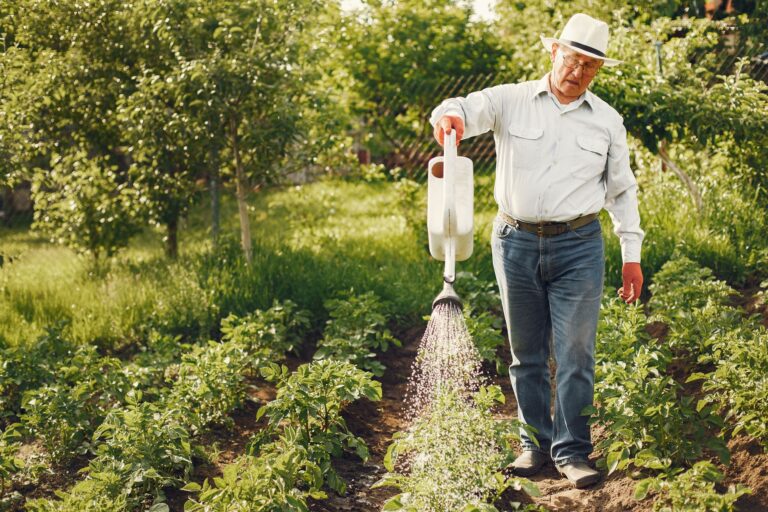
The National Institute on Aging says brisk walking, biking, swimming, weightlifting, and gardening are safe for most older adults if built up slowly. It advises people with chronic illness to get a personalized activity plan from a clinician. Match the task to the condition, not the calendar.
Small changes lower heat, fall, joint, heart, and blood-sugar strain. Keep sessions to 10 to 20 minutes at first, then add time only if soreness fades by next day. Log minutes, pain, blood pressure or glucose, and sleep to show your clinician.
- Garden early or late, use shade, water, and rest breaks for heat and heart disease.
- Use raised beds, kneeler, long tools, and firm paths for joints and falls.
- Carry glucose, wear gloves and closed shoes, and check feet after work for diabetes.
- Lift light loads, breathe out on effort, and sit to rest for chest pain or dizziness.
What Does a Realistic Week Look Like?
Pair garden blocks with indoor strength and social time. Monday, Wednesday, and Friday weed or plant for 30 minutes at moderate effort.
Tuesday add resistance bands and Saturday invite a neighbor to harvest together. Use light watering and inspection walks as easier days between harder sessions. Keep a spare indoor walk or bike option for bad weather or high pollen.
When Should You Pause and Get Guidance?
Stop and seek care for chest pressure, unusual breathlessness, dizziness, or joint swelling that persists. The Alzheimer's Association prevention page stresses these links are largely observational, not proof gardening prevents dementia, in its prevention guidance.
The same page notes no lifestyle guarantees prevention and lists heat, falls, joint pain, heart disease, and diabetes as reasons to adapt with guidance. Bring your minute log and symptom notes to your next visit and ask which digging, lifting, and heat limits fit you.