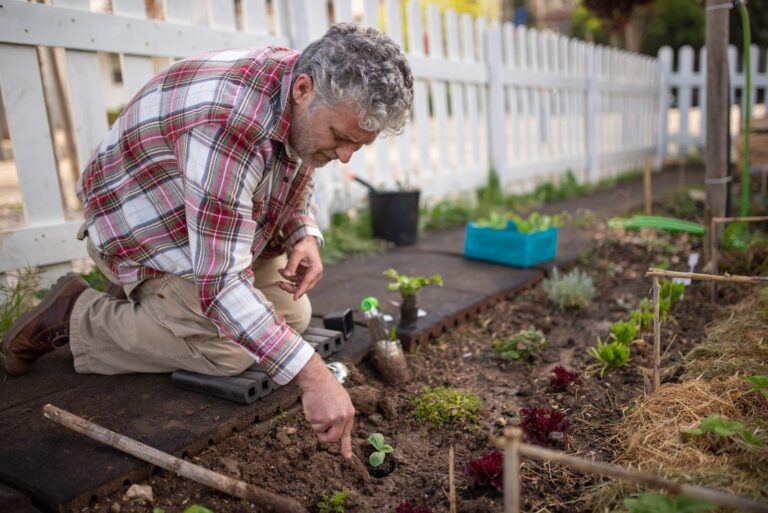
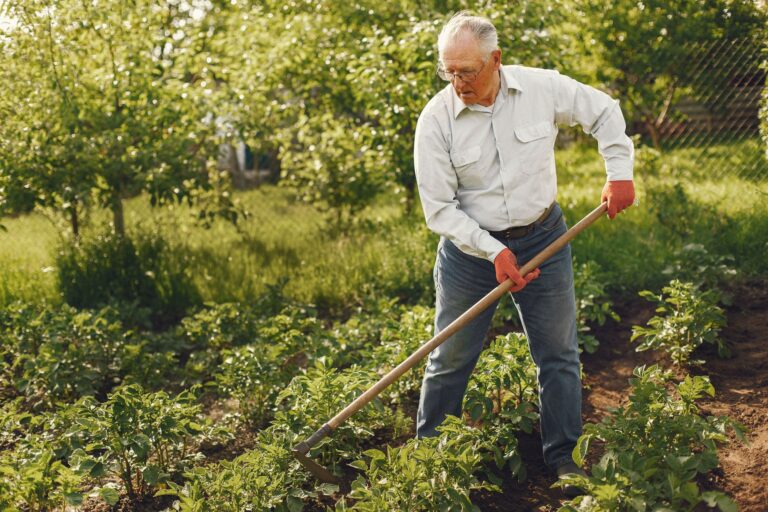
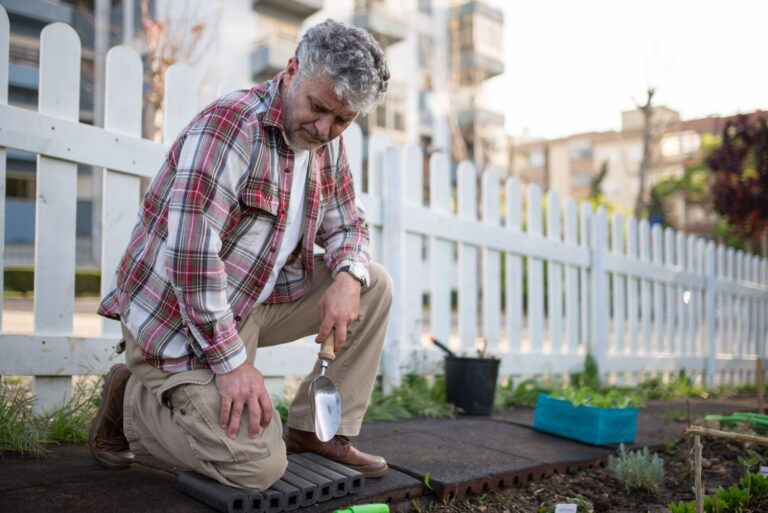
Build gardening into a 2026 brain-health plan by counting moderate garden work toward 150 minutes of weekly aerobic activity. A practical pattern is 30 minutes of digging, raking, planting and walking on five days, plus social contact, learning and blood-pressure care. Here, a prevention routine means repeated habits that address modifiable dementia risks. Gardening fits because it can combine movement, thinking, time outdoors and contact with other people.
Medical information disclaimer: This article is for general educational purposes only and does not provide medical advice, diagnosis, or treatment. Always consult a physician or other qualified health professional about symptoms, medications, tests, or treatment decisions.
Table of Contents
- What gardening studies found
- Why gardening fits brain-health guidance
- How to build a weekly 150-minute routine
- What gardening cannot prove
- Frequently Asked Questions
What gardening studies found
A Chinese national cohort of 8,676 adults, median age 86, linked regular or almost-daily garden work with 28% lower adjusted incident dementia risk over 4.31 years. The study recorded 633 cases and reported a hazard ratio of 0.72, according to the JoVE cohort report. A 2024 cross-sectional study of 136,748 U.S. adults age 45 and older found gardeners had lower adjusted odds of subjective cognitive decline and related functional limits than non-exercisers.
Subjective cognitive decline means a person notices worsening memory or thinking. Gardeners had 28% lower odds of decline and 43% lower odds of functional limitations, according to the PubMed abstract by Wang and colleagues. Older and smaller cohorts point the same way. In France's Paquid cohort of 2,040 residents age 65 and older, regular gardening was tied to lower dementia risk at one- and three-year follow-up. In Scotland's Lothian Birth Cohort 1921, 280 frequent or occasional gardeners showed stronger lifetime cognitive improvement than never or rare gardeners, with an edge in memory, problem-solving and fluency from age 79 to 90.
Why gardening fits brain-health guidance
Federal guidance cited by the Alzheimer's Association recommends at least 150 minutes per week of moderate-intensity aerobic exercise, plus strength and flexibility work. Brisk gardening or walking can count toward the aerobic target, according to the Alzheimer's Association activity guide. The link is broader than exercise. The 2024 Lancet Standing Commission estimated about 45% of worldwide dementia cases relate to 14 modifiable factors.
Those include midlife inactivity, hypertension, diabetes, smoking, depression, hearing and vision loss, and social isolation. Gardening can touch several factors at once. Digging, raking, carrying soil and brisk walking raise activity. A community plot, shared harvest or garden club adds social contact. Learning plant names, planning beds and tracking watering add mental engagement.
How to build a weekly 150-minute routine
Treat garden time like exercise appointments. Aim for five 30-minute moderate sessions, such as digging, raking, planting, weeding and walking between beds. Keep pace brisk enough to raise breathing while still allowing talk.
Use this simple checklist: The 2-year U.S. POINTER trial in 2,111 adults ages 60 to 79 found programs combining exercise, nutrition, cognitive and social engagement with vascular monitoring improved global cognition. Structured coaching beat self-guided effort, but both groups improved. That result supports making gardening one part of a wider plan, not the whole plan.
- Split sessions across days to protect joints and build habit
- Add two short strength tasks weekly, such as lifting watering cans, squatting or carrying compost
- Pair one session with another person for social engagement
- Add one learning task weekly, such as identifying plants, testing soil or planning rotations
- Track blood pressure, sleep, hearing and vision care alongside activity
What gardening cannot prove
Gardening studies are observational, so they cannot prove prevention. Gardeners often differ in education, wealth, health and overall activity. Edinburgh researchers explicitly state their results cannot prove gardening directly causes better thinking.
Use gardening as a sustainable way to stay active, engaged and socially connected. It works best alongside medical care for blood pressure, diabetes, depression, hearing loss and vision loss. Stop and seek care for chest pain, dizziness, severe shortness of breath, falls or new confusion during exertion.
Frequently Asked Questions
How hard should gardening feel to count as moderate activity?
Work hard enough to breathe faster while still speaking in full sentences, such as brisk digging, raking, planting and walking.
What if I have no yard?
Use containers, a balcony, indoor plants, a community garden or volunteer garden tasks, keeping the same weekly time, social and learning goals.