Gardening is linked to lower dementia risk in large observational studies, but it is not proven to prevent Alzheimer's. Alzheimer's disease, the most common cause of dementia, damages memory and thinking over time.
Starting slowly still helps because garden work adds light movement, outdoor time, and daily routine. Regular gardeners showed the clearest links, including almost-daily workers in a very old cohort. Treat gardening as one risk-lowering habit alongside diet, activity, and blood-pressure care.
Medical information disclaimer: This article is for general educational purposes only and does not provide medical advice, diagnosis, or treatment. Always consult a physician or other qualified health professional about symptoms, medications, tests, or treatment decisions.
Table of Contents
- What do gardening studies show?
- Why is this not proof of prevention?
- Where does gardening fit for brain health?
- How can older adults start slowly outside?
What do gardening studies show?
JoVE summarizes a Chinese national cohort of 8,676 adults with median age 86. Regular or almost-daily garden work was linked to 28% lower incident dementia risk than no garden work, as reported in the JoVE cohort summary. A 2024 Nutrition Journal record included 136,748 adults age 45 and older. Gardeners had lower odds of subjective cognitive decline and decline-related functional limits than non-exercisers.
The University of Edinburgh reports 280 of 467 sometimes-or-often gardeners gained more in cognition from age 11 to 79. Together, these point to frequent, active gardening in later life. Benefits likely build over years, not one season. Older gardeners, not beginners in midlife only, showed the clearest signals.
Why is this not proof of prevention?
No lifestyle change is proven to prevent Alzheimer's. The National Institute on Aging describes physical activity, healthy diet, weight control, and blood-pressure control as risk-lowering, not guaranteed prevention, in the NIA prevention guidance. The Edinburgh team said diet, occupation, or health access may explain part of the link.
Observational studies track habits people choose, so active gardeners may differ in other healthy ways. The Alzheimer's Association notes the U.S. POINTER trial combined activity, nutrition, thinking and social engagement, and heart-health checks. Cognition improved in at-risk older adults in the structured program, as described in the Alzheimer's Association update.
Where does gardening fit for brain health?
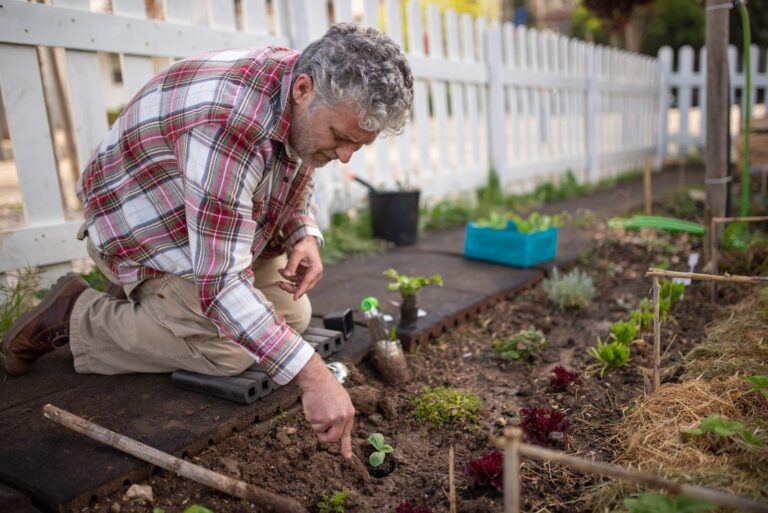
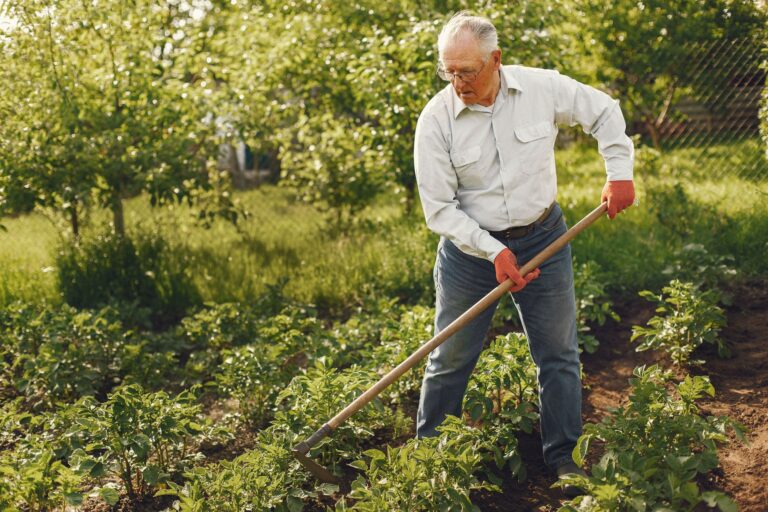
Gardening can bundle several brain-healthy habits in one outing. Digging, planting, watering, and walking raise activity. Planning beds, sharing harvests, and cooking greens add thinking, social, and food routines. It suits older adults who want steady, purposeful movement close to home.
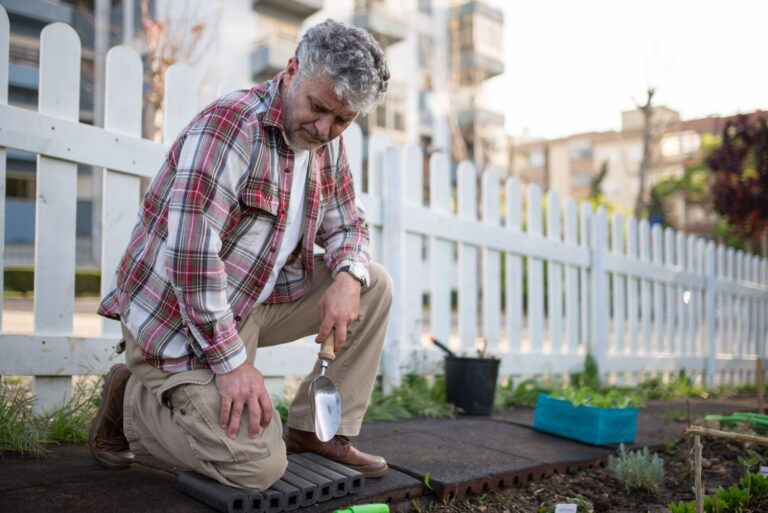
Raised beds, containers, and shared plots lower bending and carry work. A neighbor, family member, or club can add company and safety. Gardening does not replace blood-pressure checks, medicines, or medical advice. Use it to support clinic visits, healthy meals, sleep, and daily walking. If memory worries persist, seek prompt medical review.
How can older adults start slowly outside?
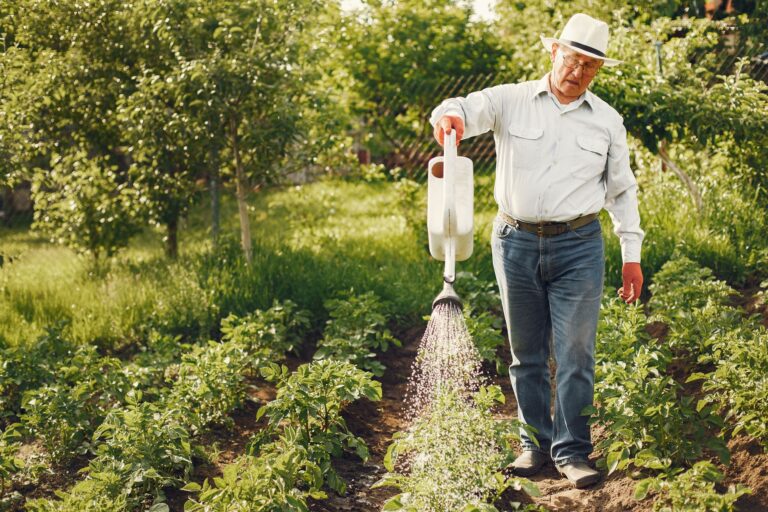
Most older adults can garden safely when they build up slowly from current fitness. Federal older-adult guidance also advises avoiding extreme heat and using sunscreen, a hat, and hydration, per the NIA outdoor safety tips.
Keep tools light, paths clear, and a phone nearby. Bring water, wear a hat, and stop in shade when you feel hot or tired.
- Begin from current fitness and add time slowly.
- Avoid extreme heat and choose cooler hours.
- Use sunscreen, a hat, and water, and rest in shade.