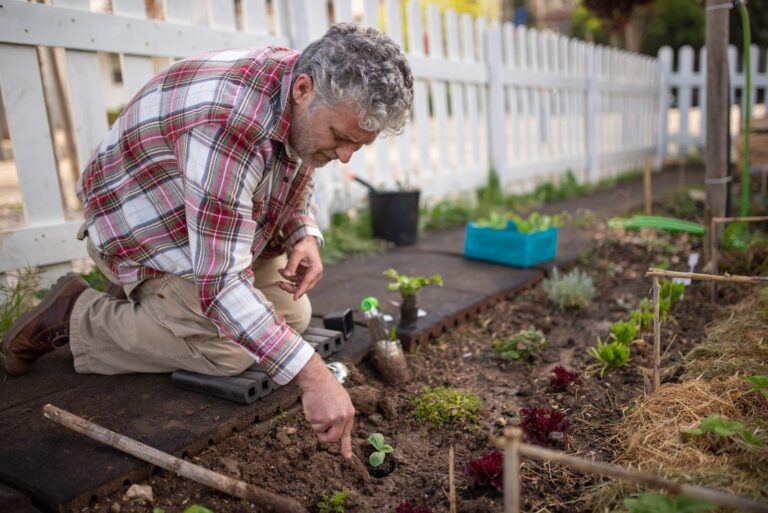
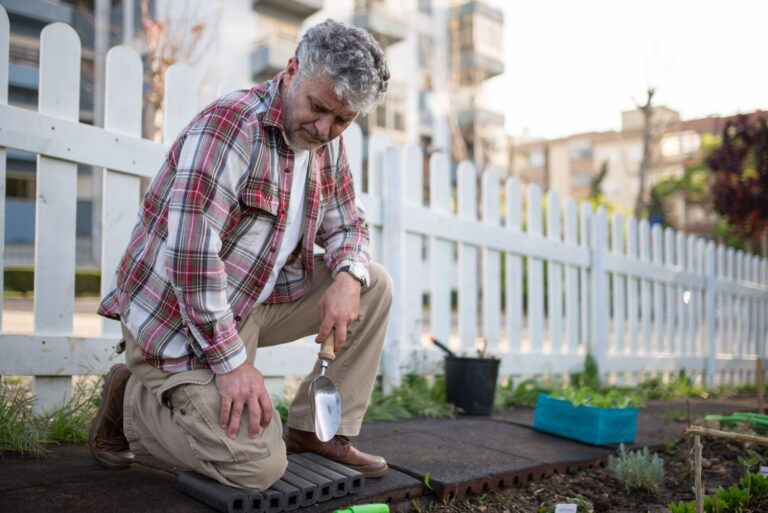
Track gardening for brain health by logging active gardening minutes each week and checking memory, sleep and diet alongside them. A 2026 brain health plan is a short written plan that focuses on one to three habits you can measure. The Alzheimer's Association lists gardening as qualifying regular exercise that raises heart rate and increases blood and brain flow, alongside walking and dancing, in its 10 Healthy Habits page. The Alzheimer's Association says its free Brain Health Habit Builder uses a 3-5-minute questionnaire on activity, diet and sleep, then creates a downloadable plan focused on 1-3 habits to track, in its launch announcement.
Medical information disclaimer: This article is for general educational purposes only and does not provide medical advice, diagnosis, or treatment. Always consult a physician or other qualified health professional about symptoms, medications, tests, or treatment decisions.
Table of Contents
- What counts as gardening exercise
- What weekly target should you track
- How do you keep a one-page garden log
- How do you know when to adjust
What counts as gardening exercise
Count time that raises your heart rate. Digging, raking, hauling soil, brisk weeding and pushing a mower with effort qualify. Slow strolling, seated watering and watching from a bench do not.
Log start time, task and effort after each session. Note if breathing stayed easy, faster or hard. This helps separate true active minutes from light time outdoors.
What weekly target should you track
The Alzheimer's Association describes its structured U.S. POINTER recipe with a clear minute target in its U.S. POINTER results page. It prescribes 30-35 minutes of moderate-to-intense aerobic exercise four times weekly plus strength and flexibility twice weekly.
The CDC recommends adults 65 and older get at least 150 minutes weekly of moderate-intensity aerobic activity in its older-adult activity guidelines. Use 150 minutes as your weekly anchor. Aim for four active gardening blocks and add two short strength days with bands or body weight. Moderate means breath moves faster but talk stays possible.
How do you keep a one-page garden log
Pick one sheet you will actually use. Keep gardening minutes, sleep hours and one diet line on the same page.
Review it at the same time each week. Carry forward one habit that worked and fix one gap. Keep the plan to three habits so review stays quick.
- Date, garden task, active minutes and effort level
- Sleep hours, vegetable servings and other walk minutes that day
- Weekly total and one line on focus, memory slips or mood
How do you know when to adjust
Hold the target steady for three weeks before judging. If totals stay below half the goal, shorten sessions to 10 minutes and add one more day.
If soreness, dizziness, chest pain or a fall occurs, stop gardening and call your care team promptly. Compare the last two weeks, not single days. Bring your one-page log to your next visit and ask which active block to grow first.