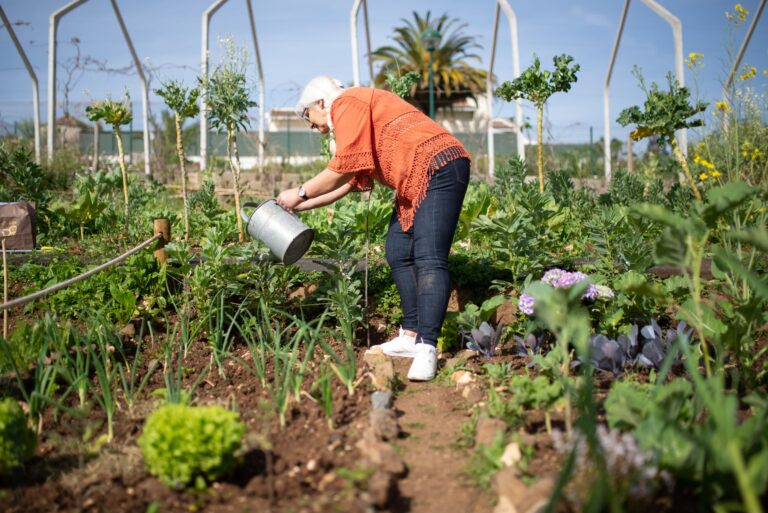
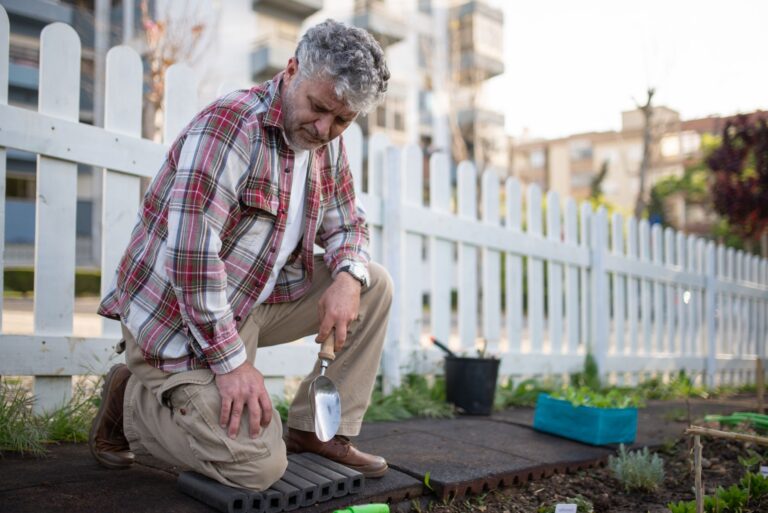
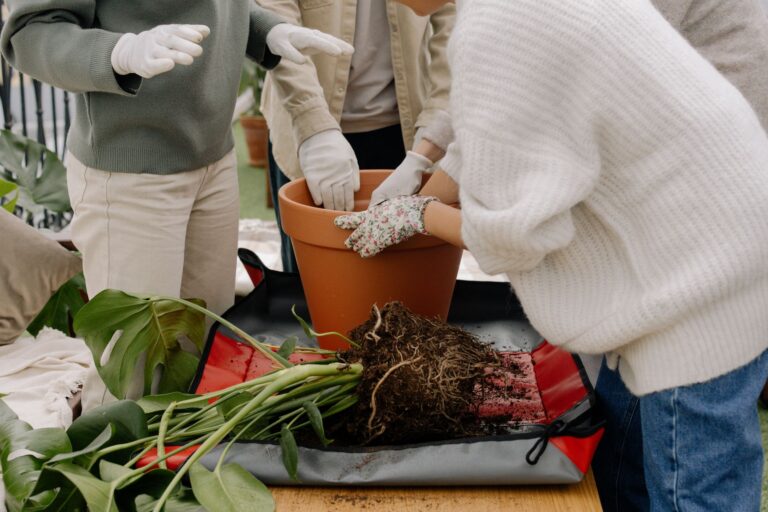
Start with short digging, planting, raking, and weeding sessions on most days, and ask your clinician how to adapt each task to arthritis, diabetes, or heart disease. Build toward 150 minutes per week of moderate activity, with shade, water breaks, skin cover, gloves, and clean wound care every time. Subjective cognitive decline means you notice memory or thinking slips yourself. Gardening can supply movement, daylight, planning, and sensory contact, which makes a steady routine worth testing for brain health.
Medical information disclaimer: This article is for general educational purposes only and does not provide medical advice, diagnosis, or treatment. Always consult a physician or other qualified health professional about symptoms, medications, tests, or treatment decisions.
Table of Contents
- What links gardening to thinking?
- How much activity should you aim for?
- How do you reduce heat and sun risk?
- How do you handle soil, cuts, and sprays?
What links gardening to thinking?
The University of Edinburgh reports that among 467 Lothian Birth Cohort members tested at age 11 and again at 79-90, the 280 who gardened sometimes or often showed greater lifetime cognitive improvement on average than rare or never gardeners Edinburgh news report. The study followed the same people for decades, so it tracks change over a lifetime. A 2024 study of 136,748 U.S.
adults age 45 and older found gardeners had lower odds of subjective cognitive decline than non-exercisers and lower odds of decline-related functional limits, as reported in Nutrition Journal PubMed study record. The adjusted odds were 0.72 for decline and 0.57 for related limits. The Edinburgh researchers state the results cannot prove gardening directly boosts cognition, since factors such as neighborhood greenery or social contact may contribute. Treat gardening as a promising habit with other benefits, not a proven shield against dementia.
How much activity should you aim for?
CDC advises aiming for at least 150 minutes per week of moderate-intensity activity plus muscle-strengthening 2 days per week, and lists gardening as moderate-intensity activity CDC chronic-disease guidance. Adults with arthritis, diabetes, or heart disease who are able should meet the same target and consult a clinician about suitable types.
Start below the target, then add time as joints, blood sugar, and stamina allow. Pick tasks that use large muscles and allow posture changes.
- Divide work into 15-20 minute blocks with seated rests.
- Alternate digging, planting, watering, and pruning to spread effort.
- Use raised beds, a stool, long-handled tools, and sturdy shoes.
- Track minutes per week and ask your clinician before adding strength work.
How do you reduce heat and sun risk?
University of Nevada Reno Extension, citing CDC, notes about 700 U.S. deaths yearly involve excessive heat and adults over 65 face higher risk because aging slows temperature regulation. Chronic conditions, poor circulation, and some medications can worsen that risk. Garden before 10 a.m.
or after 4 p.m., work in shade, drink water often, and stop for dizziness, nausea, headache, or heavy sweating. CDC advises seeking shade especially from 10 a.m. to 4 p.m., covering skin, wearing a wide-brim hat and UVA/UVB sunglasses, and using SPF 15+ broad-spectrum sunscreen reapplied at least every 2 hours and after sweating or water CDC sun-safety guidance. Keep a hat, shirt, and sunscreen with your tools so protection stays routine.
How do you handle soil, cuts, and sprays?
Soil bacteria can enter through cuts, so Ohio State experts advise covering wounds, wearing long gardening gloves and sturdy shoes, and staying current on CDC-recommended tetanus boosters every 10 years, sooner after a dirty wound. Wash hands and clean any scratch right after gardening.
EPA advises home gardeners who use pesticides to read and follow the entire label, wear label-required clothing such as long sleeves, long pants and impermeable gloves, keep children and pets away until dried, and avoid spraying on windy or rainy days. Choose hand weeding, mulch, and traps first, and store products sealed away from living areas.