Yes, gardening is linked to lower dementia risk and belongs in a 2026 brain-health plan as active movement, not as standalone prevention. Incident dementia means new cases diagnosed during a study follow-up period, and the support comes from large observational studies. A plan built around gardening combines regular garden work with aerobic minutes, strength days, vascular care, sleep, diet, and social and mental engagement. The benefit looks strongest when gardening raises heart rate, builds routine, and replaces inactive time.
Medical information disclaimer: This article is for general educational purposes only and does not provide medical advice, diagnosis, or treatment. Always consult a physician or other qualified health professional about symptoms, medications, tests, or treatment decisions.
Table of Contents
- What do the largest studies show?
- Why would gardening support brain health?
- Where are the limits?
- How can gardening count in a 2026 weekly plan?
What do the largest studies show?
Regular or almost-daily garden work was linked with 28% lower adjusted risk of new dementia over 4.31 years median follow-up in 8,676 Chinese adults, median age 86, with 633 cases, according to the JoVE summary of the national cohort study. The comparison adjusted for other health and lifestyle factors. Among 136,748 U.S. adults age 45 and older in the 2019 Behavioral Risk Factor Surveillance System, gardeners had 28% lower odds of subjective cognitive decline and 43% lower odds of decline-related functional limits than non-exercisers, according to the Nutrition Journal analysis of U.S.
adults. Subjective cognitive decline means a person notices worsening memory or thinking. In the Lothian Birth Cohort 1921, 280 people who gardened frequently or sometimes showed greater lifetime gain in cognitive ability from age 11 to 79 than 187 who rarely or never gardened. The advantage persisted through age 90 in that Scottish group.
Why would gardening support brain health?
The Alzheimer's Association names gardening with walking and dancing as movement that raises heart rate and increases blood flow to brain and body. Better blood flow supports blood pressure, blood sugar, mood, sleep, and daily function. Gardening also bundles other protective habits in one session.
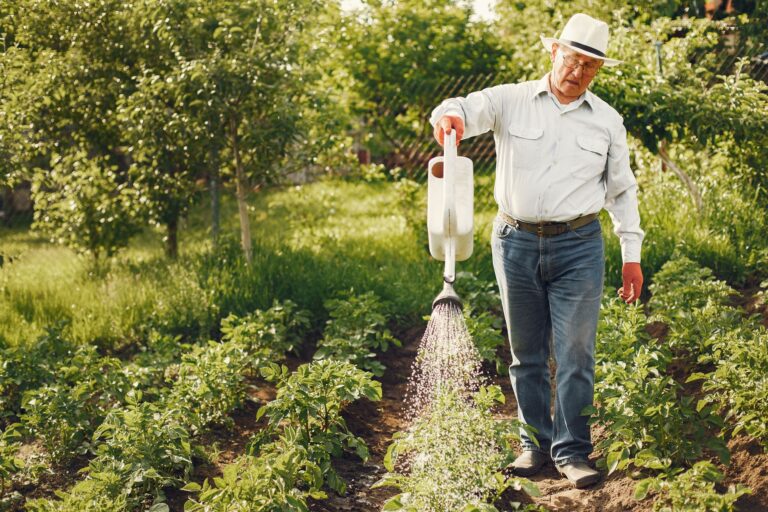
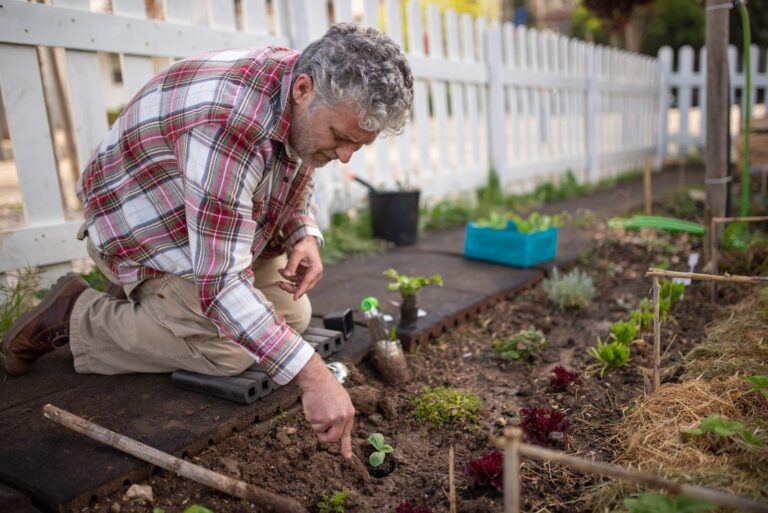
Digging, carrying soil, squatting, and raking use muscle and balance. Planning beds, tracking seasons, and talking with neighbors add thinking and social contact. For adults with normal cognition, World Health Organization guidance recommends physical activity specifically to lower cognitive-decline risk as a strong recommendation with moderate-certainty evidence. The recommendation is conditional for mild cognitive impairment.
Where are the limits?
The Edinburgh researchers state the results cannot prove gardening directly improves cognition because unmeasured factors such as green-space access and prior health may confound the link, according to the University of Edinburgh news report. Healthier people with more outdoor access may garden more. WHO attributes up to 45% of dementia risk to 14 modifiable factors across life, Medical News Today reports.
The list includes physical inactivity, hypertension, diabetes, smoking, depression, isolation, hearing and vision loss, and high LDL cholesterol. Gardening touches mainly inactivity, mood, isolation, and vascular strain. It does not correct hearing loss, vision loss, high cholesterol, smoking, or uncontrolled blood pressure by itself.
How can gardening count in a 2026 weekly plan?
A practical 2026 plan can count brisk gardening toward the federal target of 150-300 minutes weekly of moderate-intensity aerobic activity plus muscle-strengthening on 2 or more days, according to CDC Data Brief 555. Add diet, sleep, vascular control, and social-cognitive activity around it. Use garden tasks that make breathing faster while talking stays possible.
That pace usually counts as moderate intensity. Ask a clinician before heavy digging, lifting, or heat exposure when heart disease, diabetes, dizziness, joint surgery, or balance problems are present. Wear sun protection, drink water, and shift hard work to cool morning hours.
- Warm up five minutes, then weed, dig, rake, push a mower, or haul soil for 25-30 minutes.
- Add two strength days with squats, lifting watering cans, carrying bags, or resistance bands.
- Track minutes, sleep, blood pressure, medications, hearing, and vision checks in one weekly note.
- Garden with another person, join a community plot, or share produce to add social time.