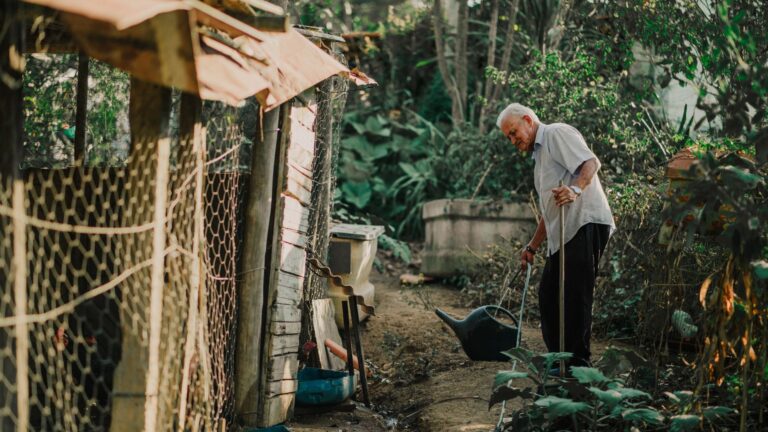
The most common barriers are painful stooping and kneeling, uneven ground with no handrails, heat and thirst changes, and poor access or transport. Frequent gardening links to better late-life thinking, but Community Gardening's cognition summary reports association, not proof it prevents dementia.
Limited mobility here means trouble bending, kneeling, standing long, or walking on soft, sloped, or cluttered soil. Small problems then force real choices about pain, safety, and energy. Clear barriers make it easier to adapt the garden or pick another activity.
Medical information disclaimer: This article is for general educational purposes only and does not provide medical advice, diagnosis, or treatment. Always consult a physician or other qualified health professional about symptoms, medications, tests, or treatment decisions.
Table of Contents
- Why does ground-level work hurt so much?
- How does the yard raise fall risk?
- Why does warm weather end garden time early?
- What lowers the barriers without removing the benefit?
Why does ground-level work hurt so much?
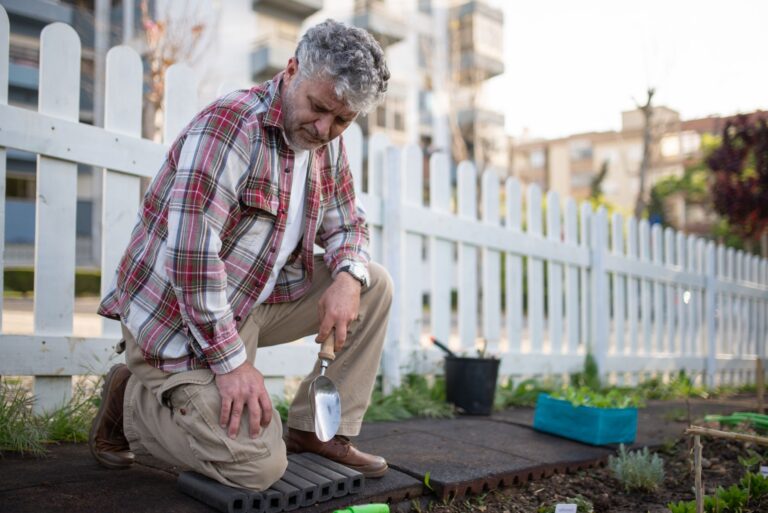
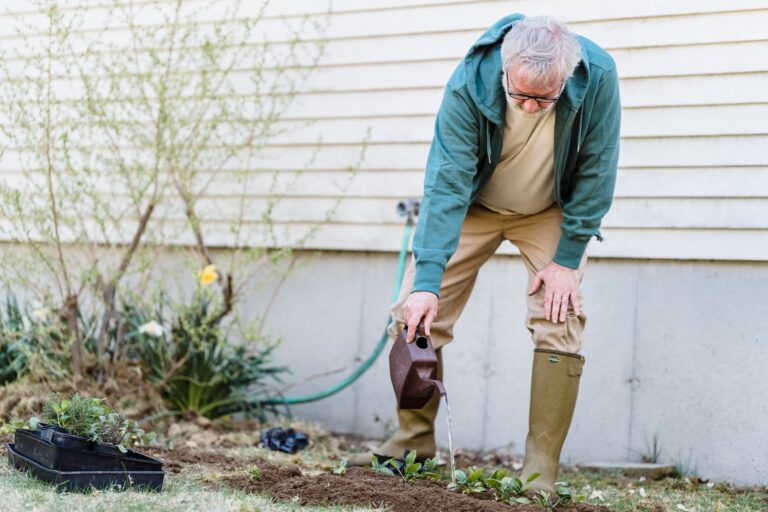
Arthritis often blocks weeding, planting, and harvesting at soil level. About 30% of adults with arthritis find stooping, bending, or kneeling very difficult, according to the Osteoarthritis Action Alliance's arthritis burden module. Those are the exact moves low beds demand.
Ground-level beds force repeated bending and long kneeling. Pain then shortens sessions, delays weeding, and makes harvest days easy to skip. Standard low beds preserve this barrier rather than fix it.
How does the yard raise fall risk?
More than 1 in 4 adults 65 and older falls each year, according to the Illinois Department of Public Health's older-adult falls guide. That agency lists broken or uneven steps, clutter, and missing handrails as conditions that make falling more likely. Backyard paths, loose tools, and soil ridges often create all three.
With limited mobility, a small trip can mean fracture or long recovery. Wet soil, slopes, and carrying harvest loads add strain. A seated or rail-supported route changes the risk.
Why does warm weather end garden time early?
Heat limits garden time because aging blunts thirst and temperature control. Work on a warm day can deplete fluids fast. Rush University Medical Center notes this fluid loss can disturb sodium, potassium, and magnesium.
Thirst may lag behind fluid need. Short morning sessions, shade, and water within reach help. Stop early rather than finish the row.
What lowers the barriers without removing the benefit?
Taller beds reduce bending and kneeling. Illinois Extension says beds often built 6-12 inches tall can be built taller, as described in its raised-bed gardening guide. It points to 24-inch-tall beds, 4 feet wide for all-side access or 2 feet wide for one-side wheelchair access.
A Birmingham-led review in BMC Medicine found access, transport, cost, poor paths, and lack of accessible facilities hinder older adults' garden use. Nearby plots, rides, smooth paths, and accessible toilets matter more than motivation. Small changes keep the activity steadier: These fixes do not guarantee dementia prevention. They keep gardening safer, steadier, and easier to repeat.
- Garden at waist height with tools within arm's reach.
- Use level, clear paths with a rail or sturdy support.
- Work short morning sessions with water in reach.