Daily gardening is linked to lower risk of dementia, lasting loss of memory and thinking that includes Alzheimer's disease. People with limited mobility can still garden for brain health with raised beds, containers and ergonomic tools. The link comes from older adults followed over time. Movement, routine and outdoor time seem to matter more than any single garden task.
Medical information disclaimer: This article is for general educational purposes only and does not provide medical advice, diagnosis, or treatment. Always consult a physician or other qualified health professional about symptoms, medications, tests, or treatment decisions.
Table of Contents
- What daily gardening is linked to
- Why regular movement matters
- How to garden without bending or kneeling
- What to do each week
What daily gardening is linked to
In Dubbo, New South Wales, daily gardeners had 36% lower dementia risk than non-gardeners. The Medical Journal of Australia reported the result in people with no memory problems at entry in the Dubbo study report. University of Edinburgh researchers tracked 467 people tested at ages 11 and 79.
Frequent or occasional gardeners showed stronger lifetime gains in thinking than rare gardeners. That edge stayed from age 79 to 90, even as memory, problem-solving and fluency fell in all groups. Edinburgh researchers caution that gardening may not directly cause sharper thinking. Neighbourhood greenery or social contact may also play a role, as noted in the University of Edinburgh report.
Why regular movement matters
People who exercise regularly may be up to 20% less likely to develop dementia. The Alzheimer's Society UK says sustained activity in midlife is most protective, as explained in its physical activity guidance. Gardening fits that pattern because it repeats often and uses the whole body.
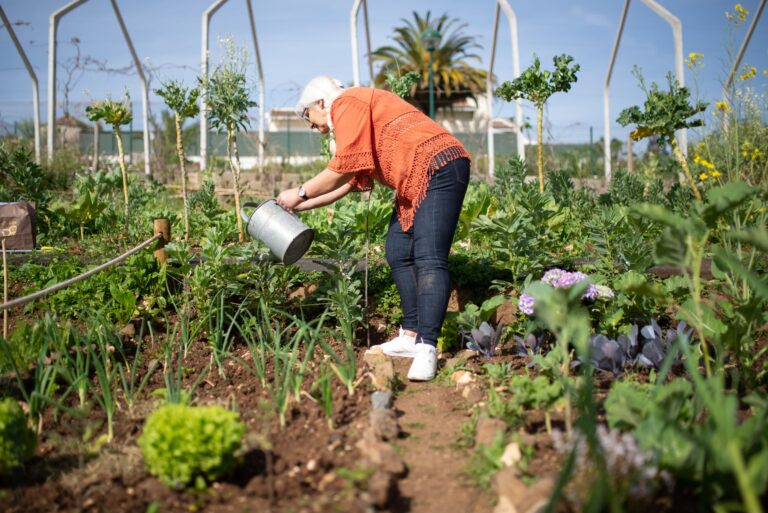
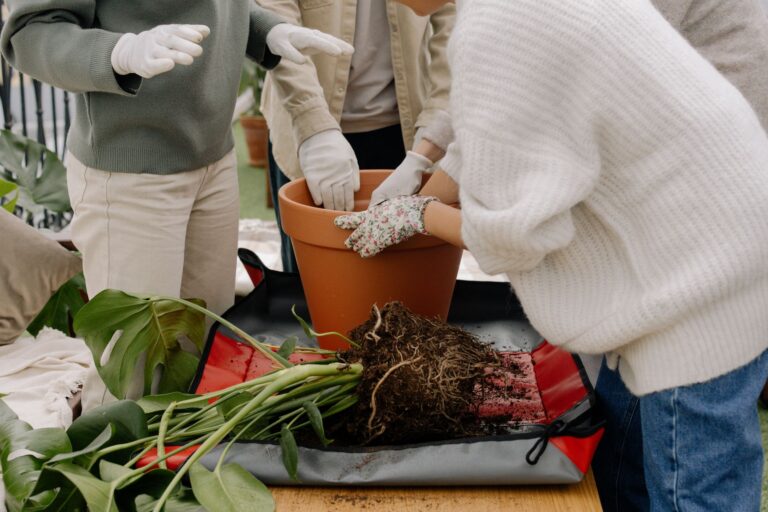
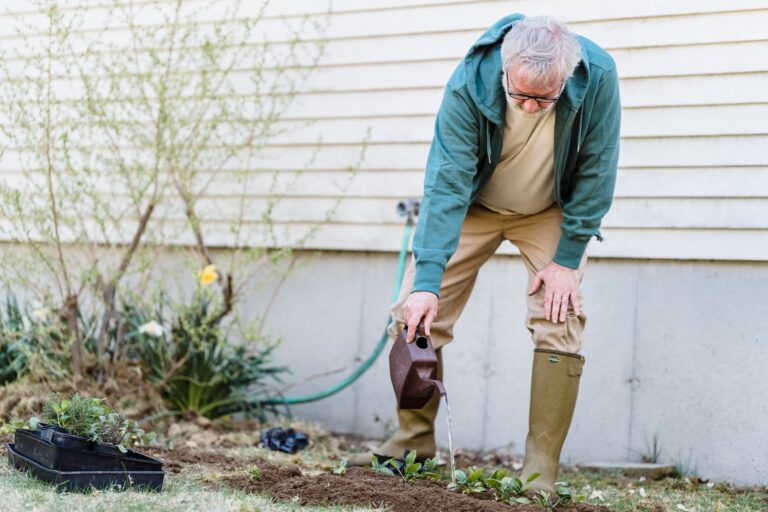
Watering, pruning, planting and short walks add movement without a gym. A daily routine also adds daylight, schedule and social contact. Those combined demands match guidance to move often and stay engaged.
How to garden without bending or kneeling
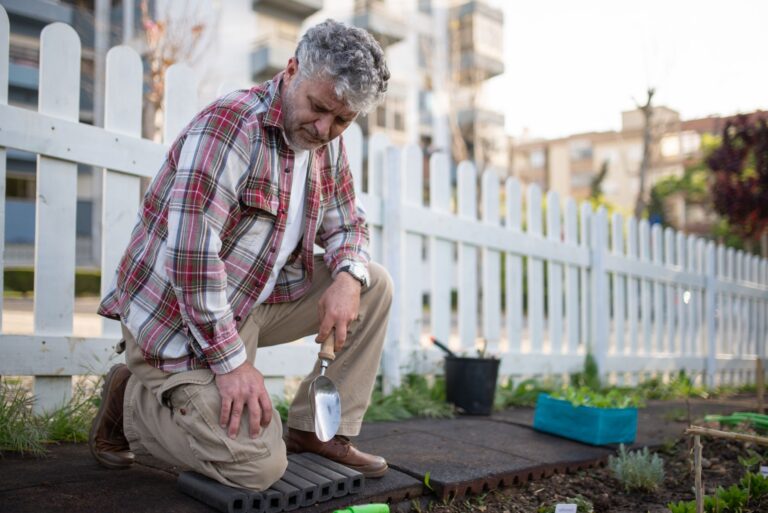
Raised beds, containers and ergonomic tools cut bending, kneeling and stretching. Oklahoma State Extension recommends these changes for seniors and people with physical limits in its gardening guidance for seniors.
Wisconsin Extension advises beds at a comfortable height and no more than four feet across for two-sided access. Containers help shrink the workload further. Practical setups include:.
- narrow raised bed at comfortable height, reached from both sides
- large pots or planters that shrink daily chores
- long-handled and cushioned tools that limit bending and stretching
What to do each week
Choose planting, watering and trimming you can repeat without pain. Garden with another person when possible for talk, safety and routine.
Keep tools, water and plants within easy reach. Start with one raised bed or two large pots near the door.