Gardening is linked to lower dementia risk, and limited mobility does not have to stop it. Raised and seated methods let many older adults keep tending plants as daily movement. Dementia means ongoing loss of memory and thinking that interferes with daily life. For readers weighing effort against benefit, the link is steady across large groups but does not prove cause.
Medical information disclaimer: This article is for general educational purposes only and does not provide medical advice, diagnosis, or treatment. Always consult a physician or other qualified health professional about symptoms, medications, tests, or treatment decisions.
Table of Contents
- What links gardening to sharper thinking?
- Where does the evidence stop?
- How can you garden seated or in pain?
- What is a workable way to start?
What links gardening to sharper thinking?
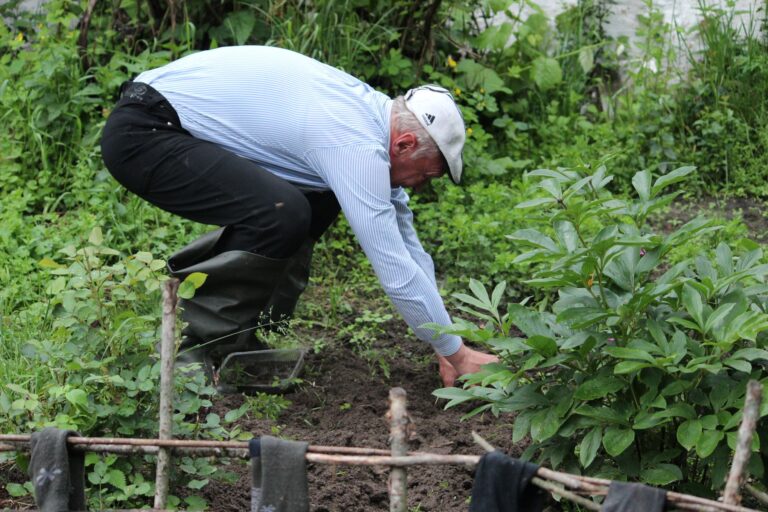
Researchers followed 8,676 adults with median age 86 for 4.31 years, during which 633 cases developed. Regular or almost-daily garden work was linked to 28% lower adjusted risk, according to the Public Health journal study in the May 2024 Public Health journal study.
A second large comparison found the same direction in younger adults. Among 136,748 U.S. adults age 45 and older, gardeners had lower odds of noticed memory decline than non-exercisers, adjusted OR 0.72, and lower odds of related limits in daily function, OR 0.57, according to the Nutrition Journal study in the June 2024 Nutrition Journal tables.
Where does the evidence stop?
The link does not prove that gardening itself protects thinking. Time in green space or chats with others while gardening may explain part of the pattern, according to University of Edinburgh researchers in the University of Edinburgh report.
That caveat matters for choice. Treat gardening as one active habit alongside sleep, blood pressure care, hearing care, and social contact. Do not stop prescribed care or expect a set amount of weeding to prevent dementia.
How can you garden seated or in pain?
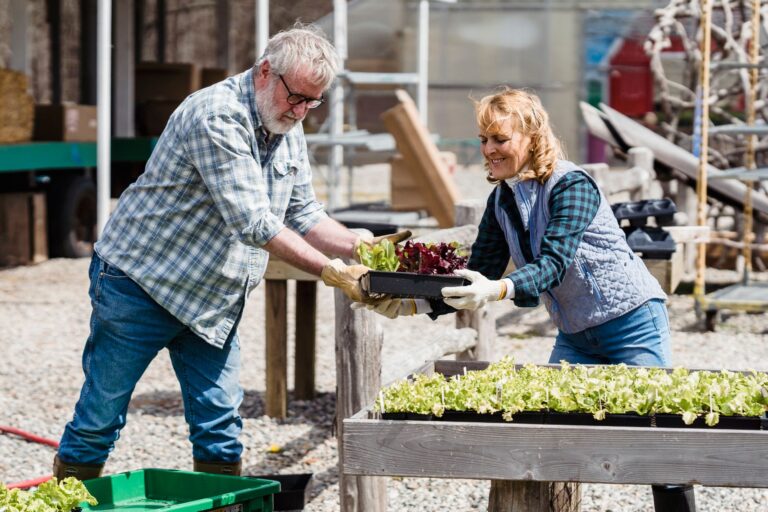
Access starts with height and reach. Easy-access beds 3 or more feet high and no more than 4 feet wide, roll-under space for wheelchairs, 36-inch paths, benches for rest, ergonomic tools, and frequent breaks support tending from sitting or standing, according to the UC Agriculture and Natural Resources guide.
Small picks lower strain fast. Pots near the door cut walking and carrying. A narrow bed lets both arms reach the middle without bending.
- Pick one raised bed, large pot, or window box at waist height
- Keep tools, water, and a seat within arm's reach
- Use light tools with thick grips and take short breaks
- Add a firm 36-inch path and a bench for rest stops
What is a workable way to start?
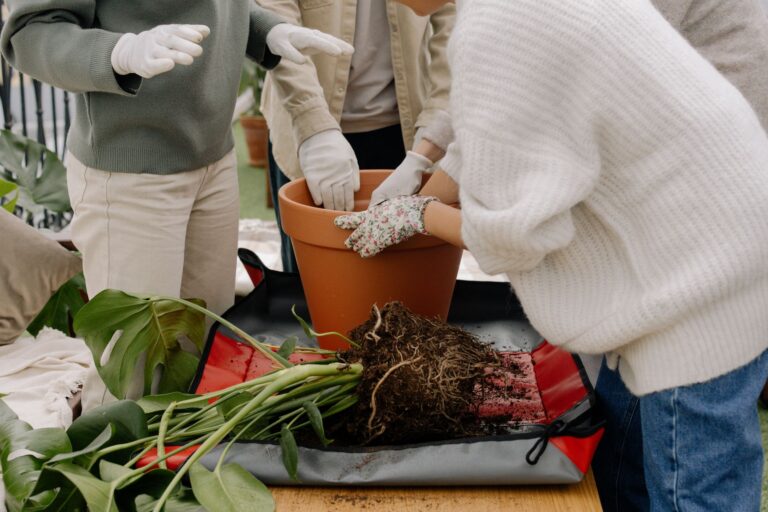
Start with ten to fifteen minutes of potting, watering, or pruning. Stay seated when balance feels unsure and keep feet flat. Ask a family member, aide, or neighbor to lift soil bags and move heavy pots.
Track what hurts and change the setup, not the goal. Raise the bed, narrow the reach, move the pot closer, or switch tasks. Keep gardening only where pain stays low and movement feels safe.