You can build gardening into a realistic dementia prevention routine with limited mobility by gardening seated at raised beds and containers for regular sessions. A dementia prevention routine here means weekly physical, mental, and social habits that address modifiable risk. The research link is encouraging but not proof of cause. Gardening combines light aerobic work, lifting, and balance, which fits older-adult activity needs while staying adaptable.
Medical information disclaimer: This article is for general educational purposes only and does not provide medical advice, diagnosis, or treatment. Always consult a physician or other qualified health professional about symptoms, medications, tests, or treatment decisions.
Table of Contents
- What does research link to gardening and memory?
- How much activity supports brain health?
- How do you make gardening work seated?
- What does a calm weekly routine look like?
What does research link to gardening and memory?
The University of Edinburgh followed 467 Lothian Birth Cohort 1921 members tested at ages 11 and 79. The 280 frequent or occasional gardeners showed greater lifetime cognitive improvement, with the edge lasting through decline to age 90. Among 136,748 U.S.
adults age 45 and older, gardeners had lower odds of self-noticed memory decline and related limits on daily function than non-exercisers. The Nutrition Journal survey team reports adjusted odds of 0.72 for decline and 0.57 for functional limits, described in the PubMed study record. Edinburgh researchers state gardening may not directly cause sharper thinking because unmeasured factors may contribute. The large gardening survey was also cross-sectional, so it captures one time point.
How much activity supports brain health?
CDC advises adults 65 and older to get at least 150 minutes of moderate aerobic activity weekly. It also advises muscle work on two days plus balance activity. Gardening can meet those targets efficiently because one session can mix aerobic effort, lifting, and balance.
CDC lists gardening as multicomponent activity for that reason, as explained in what counts for older adults. Alzheimer's Society UK summarizes 58 studies as finding regular exercisers may be up to 20 percent less likely to develop dementia. The 2024 Lancet Commission lists 14 modifiable risks including inactivity, with about 45 percent of cases linked to those factors combined.
How do you make gardening work seated?
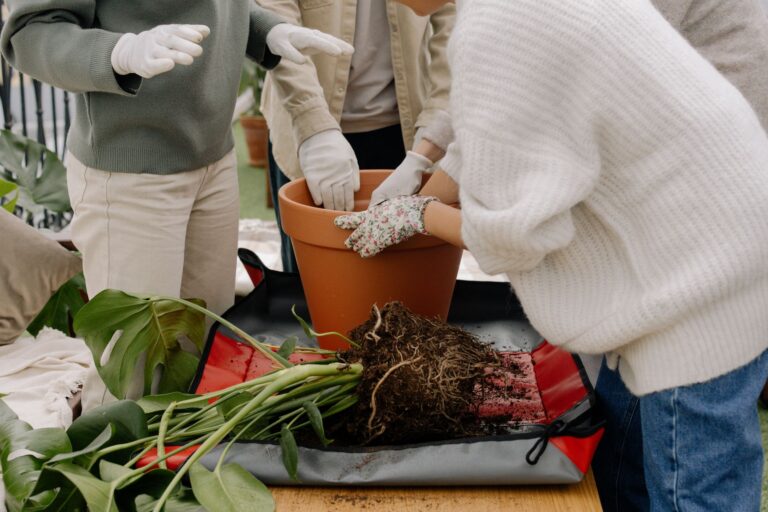
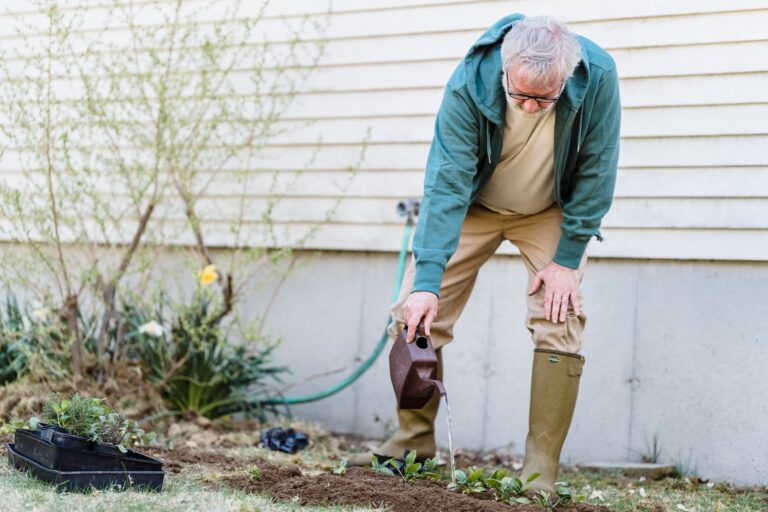
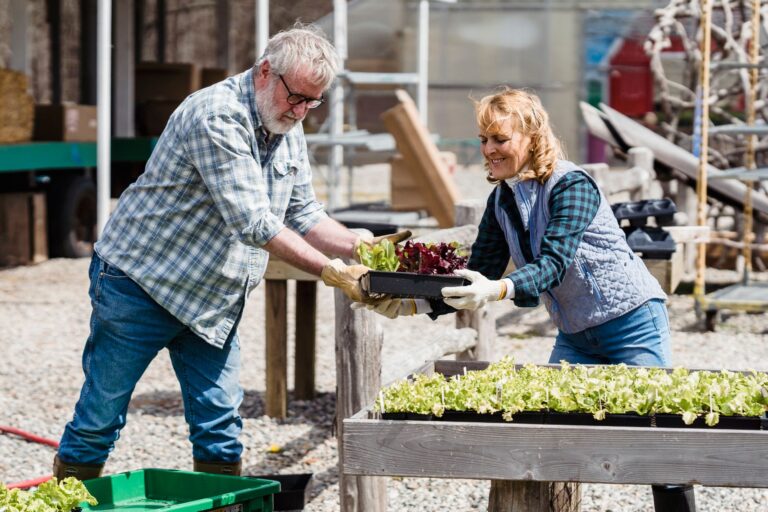
Use a raised bed 24 to 30 inches high with open space below for knees and toes. Keep main paths at least 5 feet wide so two wheelchairs can pass, following NC State Extension therapeutic horticulture guidance in beyond access and adaptability. Raised beds and containers cut stooping and bending for weeding and watering.
That makes care possible in small yards, patios, and balconies, according to N.C. Cooperative Extension. Place the bed where water, shade, and a sturdy seat are within easy reach. Keep tools, soil, and plants at lap or elbow height to avoid twisting.
What does a calm weekly routine look like?
Aim for brief, repeated sessions rather than one long garden day. Short visits build stamina, protect joints, and keep attention fresh.
Track sessions on a calendar and add time only when recovery feels easy. Start with one raised container at elbow height and add a second only after two easy weeks.
- Water containers and check soil moisture
- Weed one small section or deadhead flowers
- Transplant seedlings, harvest herbs, or tidy paths
- Sit, observe growth, and plan the next small task