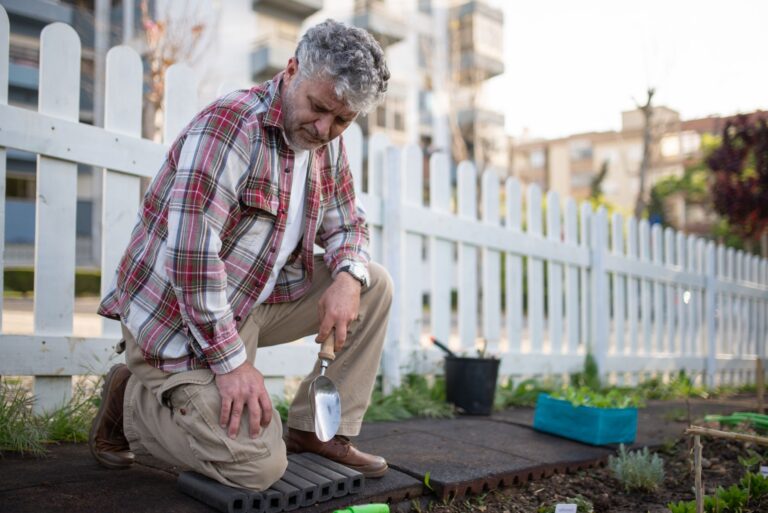
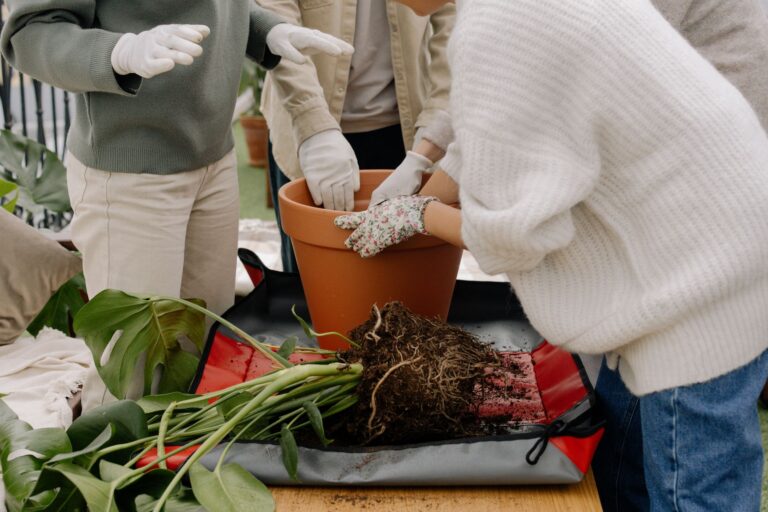
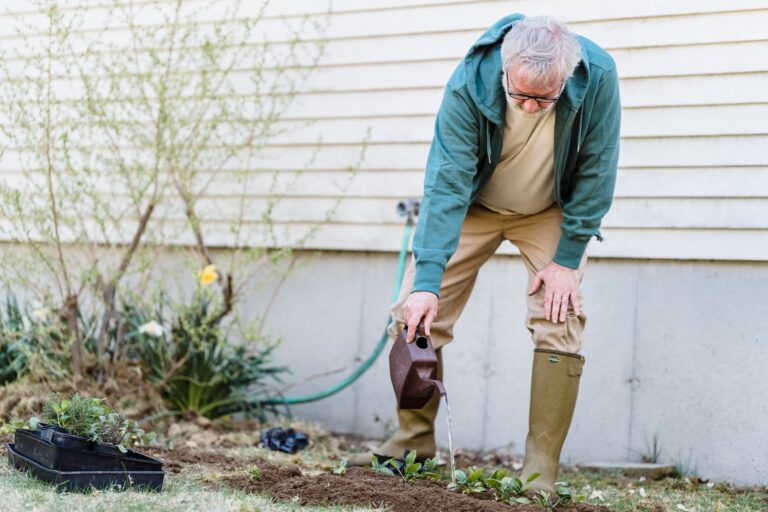
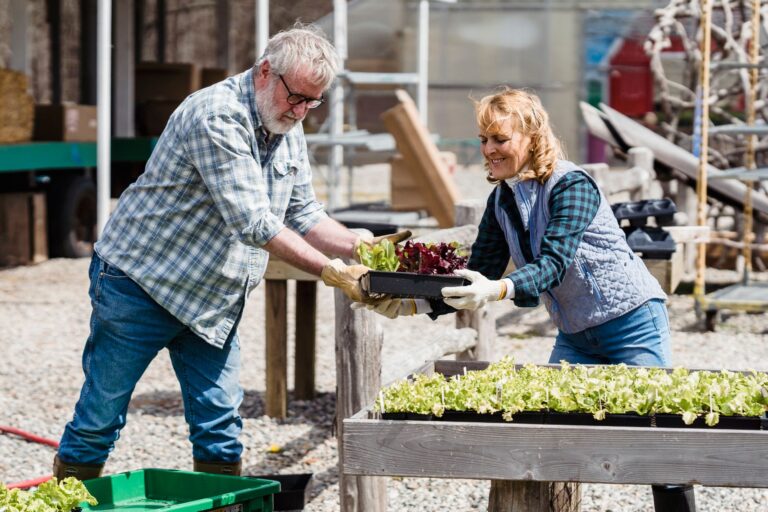
Ask how often you can garden safely, what setup fits your strength and balance, and how you will handle heat, water, and rest. With limited mobility, the most useful questions cover weekly activity, seated access, tools, paths, and help nearby. Gardening here means light outdoor work such as planting, watering, weeding, and pruning in containers or raised beds. Use the questions below to match the possible brain-health value with a plan you can repeat without bending, kneeling, or overheating.
Medical information disclaimer: This article is for general educational purposes only and does not provide medical advice, diagnosis, or treatment. Always consult a physician or other qualified health professional about symptoms, medications, tests, or treatment decisions.
Table of Contents
- What brain-health link should you ask about?
- How much weekly activity makes gardening count?
- What setup fits limited mobility?
- How will you prevent falls and heat illness?
What brain-health link should you ask about?
In 467 Edinburgh-area adults tested at age 11 and again at ages 79 to 90, the 280 who gardened sometimes or often showed larger lifetime cognitive gain and kept an edge in memory, fluency, and problem-solving, according to the University of Edinburgh report. A large review of 74 studies in 4.2 million people also tied leisure-time activity to 24 percent lower dementia risk, with walking outdoors and gardening tied to 25 to 36 percent lower risk, according to Medical Xpress reporting on the Lancet Public Health review.
Ask what this pattern may mean for you, not what it proves. University of Edinburgh researchers note they cannot prove causation because greenery, social contact, health, and education may also play a role.
How much weekly activity makes gardening count?
The CDC advises adults 65 and older to get at least 150 minutes per week of moderate aerobic activity, plus muscle-strengthening and balance work, for fall risk, independence, and brain health, according to CDC guidance. Ask your clinician whether gardening can supply part of those minutes and what "moderate" feels safe for your heart, joints, and balance.
Ask how to divide the time into short bouts with seated rest. Ask which tasks count as aerobic effort, which count as strength or balance work, and what should replace gardening on hot, icy, or high-pain days.
What setup fits limited mobility?
UW-Madison Extension advisors recommend raised beds at comfortable seated height and no more than four feet wide, plus light ergonomic tools, containers, and wide non-slip paths to reduce bending and kneeling, according to Extension gardening guidance. The National Garden Bureau specifies 4-foot paths for one-way walker or wheelchair passage, 7 feet for two-way passage, slopes under 5 percent instead of steps, and beds at seated height. Ask a garden helper or therapist to check these points with you:.
- Can you reach the bed center and water source from a stable seat?
- Are paths wide, firm, non-slip, step-free, and clear for turning?
- Are tools light, easy-grip, and usable with one hand if needed?
- Where will you rest in shade, and who can help with lifting and hauling?
How will you prevent falls and heat illness?
Ask what your fall risk looks like on soil, slopes, hoses, and damp paths. CDC STEADI data report about 1 in 4 adults 65 and older falls each year, while the National Institute on Aging warns that prolonged heat can cause hyperthermia in older adults.
Ask for a written heat plan before spring work starts. Garden early or late, drink water before thirst, use shade and a hat, take seated breaks, and bring a phone. Bring your medicine list and a photo of your entry, path, and sun exposure to that visit.