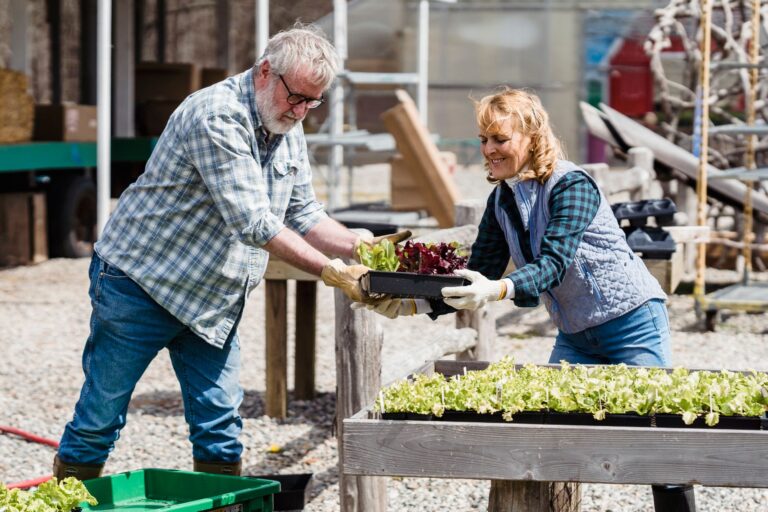
Track progress by setting one or two short weekly gardening goals and writing down minutes active, tasks finished, and mental effort used. Pair that log with seated beds or containers and a simple watch or notebook so small gains stay visible.
For this guide, brain health means staying sharp in memory, problem-solving, and word fluency. Gardening pairs light movement with planning and attention. A steady record shows what you can repeat, not just what you did once.
Medical information disclaimer: This article is for general educational purposes only and does not provide medical advice, diagnosis, or treatment. Always consult a physician or other qualified health professional about symptoms, medications, tests, or treatment decisions.
Table of Contents
- What counts as progress?
- How do you set up for seated gardening?
- What weekly routine makes gains visible?
- What should you expect over time?
What counts as progress?
Count time, tasks, and thinking. Write minutes active, jobs such as watering, pruning, or sowing, and what needed planning. Add setup notes such as seated, shaded, or using a new tool.
Score focus and ease simply. Use 1 to 3 for effort, mood, and memory load. Compare weekly totals and patterns, not single good days.
How do you set up for seated gardening?
Build the space so recording does not require bending or standing. Keep tools, water, and your log within arm's reach.
A stable seat and clear path make each session safer to repeat. The National Center on Health, Physical Activity and Disability advises raised beds with soil 24-36 inches high for seated gardening. It also advises waist-high window boxes, knee clearance under beds, and paths at least 40 inches wide for wheelchair or scooter users in its accessible-gardening guide.
What weekly routine makes gains visible?
Set short goals you can check. Penn State researchers are testing short-term everyday activity goals for sustaining light activity for brain health. The project uses accessible step counts from watches, as described in this study announcement.
Keep the log simple enough to finish in one minute. Paper on a clipboard works when watches feel fiddly. Consistency matters more than high numbers.
- Pick two goals for the week, such as three 15-minute seated sessions.
- Log minutes, task, and watch count right after each session.
- Review on Sunday and carry one win forward.
What should you expect over time?
Expect steady habits, not quick boosts. University of Edinburgh researchers tracked 467 adults from age 11 to ages 79-90. The 280 frequent or occasional gardeners showed greater lifetime cognitive improvement, reported in the university news report.
Memory, problem-solving, and word fluency still declined for everyone from 79 to 90, but gardeners kept their earlier advantage. The Edinburgh authors caution the results cannot prove gardening directly causes sharper thinking, noted in the university news report. Treat your log as feedback on routine, mood, and stamina.