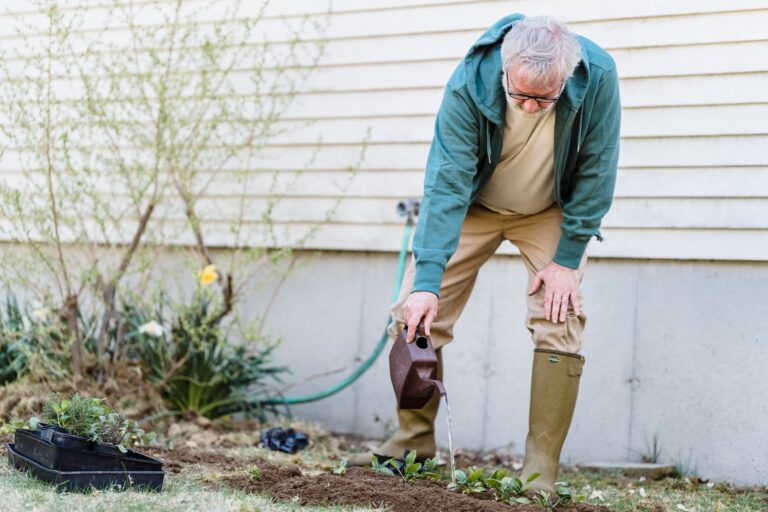
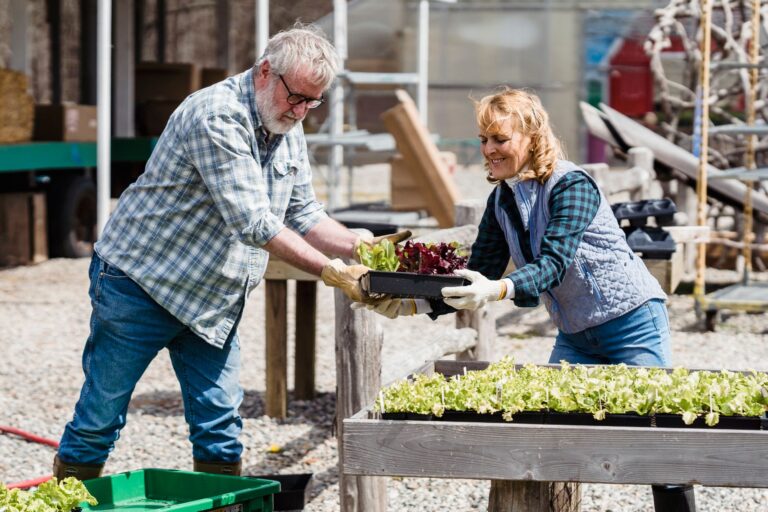
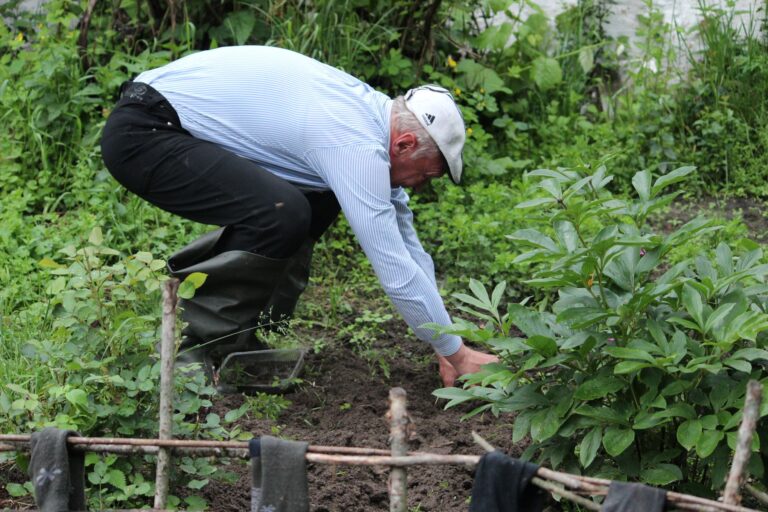
Start gardening for brain health with limited mobility by planting in raised beds or containers you can reach from a chair, working short sessions in cooler morning or evening hours with breaks. Treat gardening as regular multicomponent activity that pairs light movement with planning, problem-solving and time outdoors. Subjective cognitive decline means noticing more memory or thinking problems yourself. Evidence links gardening with sharper thinking in later life, but the link is associational, so use gardening alongside other brain-health habits.
Medical information disclaimer: This article is for general educational purposes only and does not provide medical advice, diagnosis, or treatment. Always consult a physician or other qualified health professional about symptoms, medications, tests, or treatment decisions.
Table of Contents
- What links gardening and later-life thinking?
- Does gardening count as exercise?
- How do you set up gardening for limited mobility?
- How do you stay safe in heat and on your feet?
What links gardening and later-life thinking?
University of Edinburgh researchers followed 467 Edinburgh-area adults tested at age 11 and again at ages 79-90. The 280 people who gardened sometimes or often showed larger lifetime cognitive gains than rare or never gardeners, with an edge in memory, problem-solving and word fluency, described in the University of Edinburgh gardening findings. A 2024 Nutrition Journal analysis of 136,748 U.S.
adults age 45 and older found gardeners had lower adjusted odds of subjective cognitive decline and decline-related functional limits than non-exercisers, partly linked to mood and energy expenditure, reported in the Nutrition Journal analysis through PubMed. The Edinburgh team cautioned that the link cannot prove gardening directly causes sharper thinking. Treat it as support for movement, routine and engagement, not a standalone prevention plan.
Does gardening count as exercise?
Federal guidance from the Centers for Disease Control and Prevention advises adults 65 and older to do weekly aerobic activity plus muscle-strengthening plus balance activity. The same guidance lists digging in a garden and gardening as qualifying multicomponent activity.
That means planting, digging, watering, weeding and harvesting can contribute to the weekly pattern. Spread tasks across days, mix effort with rest, and keep usual walking, strength or balance activities going.
How do you set up gardening for limited mobility?
Mississippi State University Extension says raised beds, elevated tables, trellises, vertical planters and containers reduce bending. That setup allows planting, watering, weeding and harvesting from a chair or standing, noted in the Mississippi State Extension accessibility tips. Ohio State University Extension advises shorter carry distances, carts or stools, extended-reach and cushioned-grip tools, stretching, breaks about every 20 minutes, harder jobs early, and stopping tasks that cause pain.
- Place beds, water and tools within short reach of a stable seat.
- Use lightweight containers, a cart and long-handled or cushioned tools.
- Do heavy digging or lifting early, then switch to seeding or pruning.
- Take seated water breaks and stop any task that causes pain.
How do you stay safe in heat and on your feet?
Heat affects older gardeners more, so federal aging guidance recommends cooler morning or evening work, water before and during gardening, breathable clothing, hat, sunscreen and shade. The National Institute on Aging gives similar outdoor-exercise precautions in its National Institute on Aging outdoor safety tips.
Keep paths clear, wear steady closed-toe shoes and keep a phone nearby. Skip outdoor work during very hot weather and move watering or potting to shade or indoors.