When simple knitting loses appeal, try familiar music and dance, gardening, photo reminiscence, art, crafts, and shared walks. One-on-one dementia care means one caregiver engaging one person with dementia. The National Institute on Aging advises adapting activities to current abilities and interests and building them into daily routine, rather than stopping engagement adapting activities guidance. Offer one simplified choice at a time and repeat preferred activities.
Medical information disclaimer: This article is for general educational purposes only and does not provide medical advice, diagnosis, or treatment. Always consult a physician or other qualified health professional about symptoms, medications, tests, or treatment decisions.
Table of Contents
- What should you change first?
- How can music and movement help?
- Which hands-on activities work one-on-one?
- How do you use memories to connect?
What should you change first?
Watch what the person can still do comfortably today. Shorten steps, use larger or safer materials, and schedule the activity at a steady time each day.
Keep choices simple and concrete. Hold up one option, such as watering plants or listening to songs, rather than asking an open question. According to the National Institute on Aging, this one-at-a-time approach helps the person stay engaged.
How can music and movement help?
Play familiar songs, talk about the music and singer, and ask what the person was doing when the song was popular. Then sing or dance together, following guidance from the National Institute on Aging.
A 2025 Cochrane review of 30 trials with 1,720 people with dementia found music-based therapy probably slightly improves depressive symptoms and may improve overall behavioural problems versus usual care March 2025 Cochrane review abstract. Benefits may fade within weeks after sessions stop, so repeat favored songs often.
- Pick two or three familiar songs
- Talk about the singer and memory
- Invite singing, clapping, or dancing
Which hands-on activities work one-on-one?
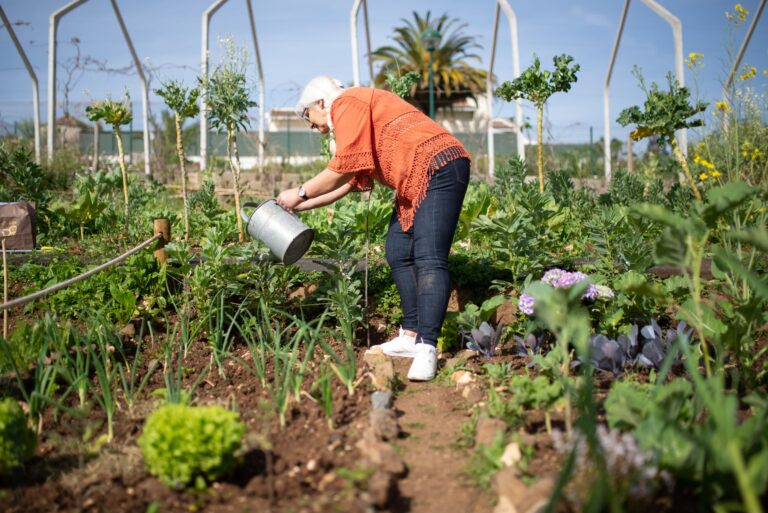
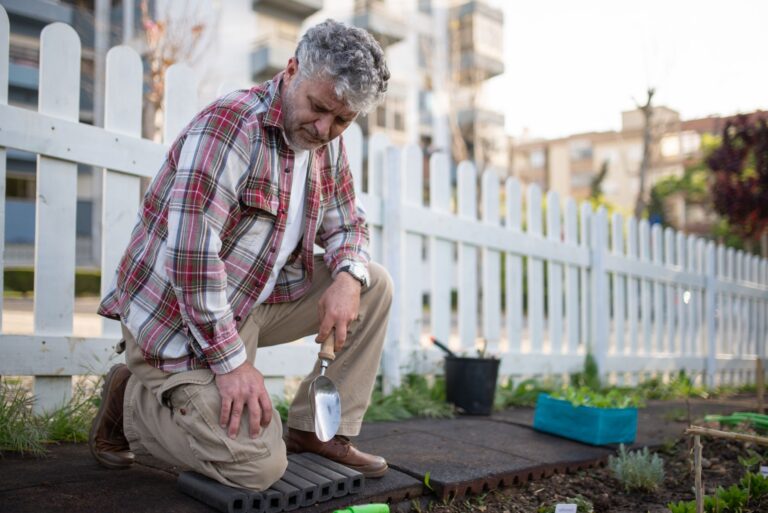
Gardening suits close personal care. The National Institute on Aging lists caring for indoor or outdoor plants, planting flowers or vegetables, watering, and discussing growth.
Add simple household tasks the person finds familiar, such as folding towels or wiping a table. The Alzheimer's Association advises including creative activities such as music, art and crafts in a daily care plan, plus shared walks. NHS guidance also lists dance, tai chi, walking groups, drawing or painting classes, drama, book clubs, reminiscence work, dementia cafes, and singing to support mood and wellbeing.
How do you use memories to connect?
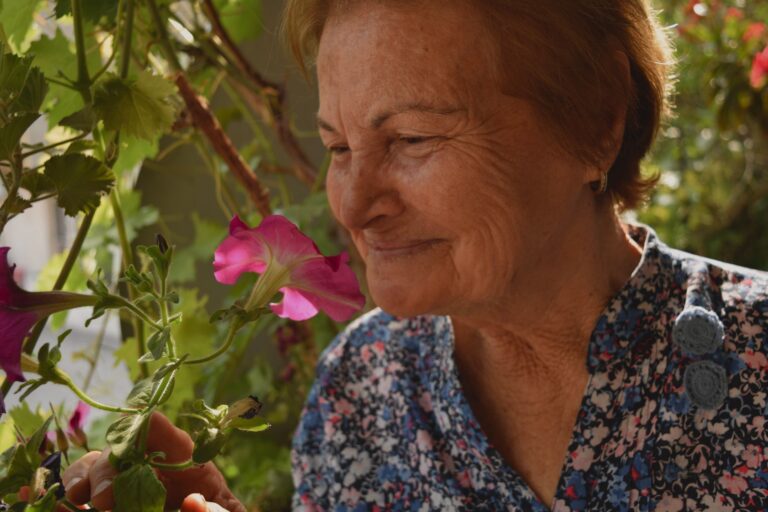
Reminiscence means using photos, keepsakes, music, familiar scents, or places to spark pleasant memories. The Alzheimer's Association describes it as a simple, enjoyable way for caregivers and families to spend time together reminiscence and reminiscence therapy guide. Choose one photo album, souvenir box, or familiar scent at a time.
Ask short prompts about people, meals, work, holidays, or songs. Let the person respond, smile, or simply look and listen. Most studied music participants lived in care homes, and long-term effects are uncertain, so keep home sessions brief, calm, and repeated. Water one plant together each morning and note its growth.