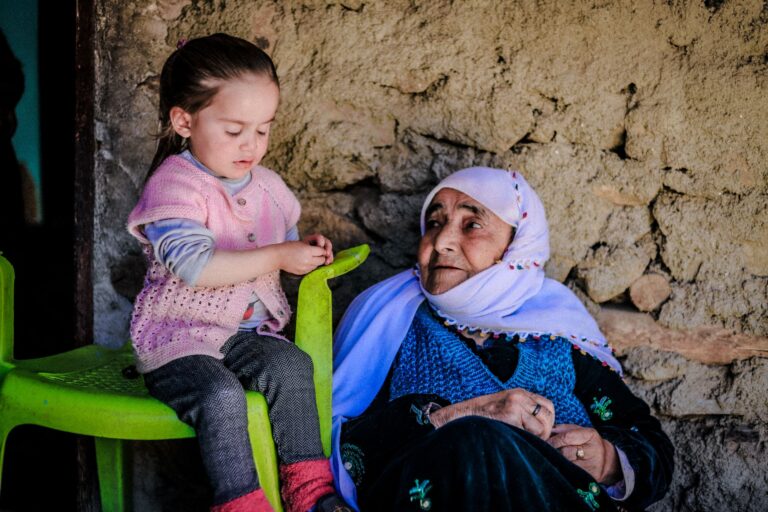
Adapt simple knitting for one-on-one dementia care with large needles, bulky yarn, and one plain stitch guided one step at a time. Sit beside the person, demonstrate each movement slowly, and keep the session short, calm, and free from pressure to finish. The NHS says physical, mental, social, and creative activities help people live well with dementia, which makes simple repetitive knitting a valid care activity rather than idle diversion, according to the NHS guide to dementia activities. Success means shared time, participation, and a sense of accomplishment.
Medical information disclaimer: This article is for general educational purposes only and does not provide medical advice, diagnosis, or treatment. Always consult a physician or other qualified health professional about symptoms, medications, tests, or treatment decisions.
Table of Contents
- Why does knitting suit one-to-one time?
- How should you set up materials and space?
- How do you guide each step?
- What if frustration or fatigue appears?
Why does knitting suit one-to-one time?
Knitting gives both hands something familiar to do and both people something to share. The NHS advises that dementia does not require stopping enjoyed activities, that familiar tasks may take longer, and that doing them together can bring happiness and quality time. Research interest comes from prevention studies, not treatment proof. Mayo Clinic researchers followed 1,929 cognitively normal adults age 70 and older for about four years and linked craft activities one to two times per week with 28% lower risk of new mild cognitive impairment, meaning early memory and thinking change, versus twice-monthly or less, as reported in the ScienceDaily report on the Mayo Clinic study.
Doctors reviewing brain-health evidence caution that most craft studies show observational links rather than cause and effect. Treat knitting as wellbeing support with uncertain brain effects. Royal Surrey dementia guidance frames activities as tools to ease boredom, support communication, and reduce distressed behaviour. Choose it when the person enjoys texture, rhythm, or company.
How should you set up materials and space?
Use tools the hands can easily feel and control. A dementia-craft guide recommends large needles, bulky easy-to-handle yarn, good lighting, ergonomic grips, very short cast-ons, and plain stitches, as described in the Content Realtime craft guide.
Cast on eight to twelve stitches and let texture matter more than pattern. Prepare the chair, light, and yarn before you invite participation. Keep the working piece small so progress appears quickly.
- Choose smooth, light-colored bulky yarn that shows stitches clearly
- Use short, large needles with grips or stoppers
- Place good light over the hands, not the eyes
- Keep scissors, spare yarn, and water nearby but out of the work area
How do you guide each step?
Alzheimers New Zealand advises carers to break activities into simple manageable steps, ask for one thing at a time, expect abilities to change day to day, and switch activities if the current one is not working, noted in the Alzheimers New Zealand keeping-active guide. Royal Surrey guidance uses the same approach: small steps, independence where possible, and a no-failure culture.
Demonstrate, then invite the person to copy one movement. Keep language short and wait for their hands to respond.
- Show the stitch slowly, then say, "Your turn"
- Guide hand over hand only with permission
- Praise effort, not accuracy
- Repeat the same stitch rather than teaching new ones
- Stop after ten to twenty minutes, or sooner if attention fades
What if frustration or fatigue appears?
Follow the person's pace and treat disinterest as information. The craft guide cited above sets participation and accomplishment above a perfect product and recommends a failure-free pace with gentle redirection. Watch for sighing, pushing yarn away, rubbing hands, or sudden quiet.
Simplify first: work fewer stitches, knit a few rows yourself, or switch to winding, stroking, or sorting yarn by color. If tension remains, stop kindly and offer tea, music, or a walk. End while the mood is still positive and save the piece to revisit another day.