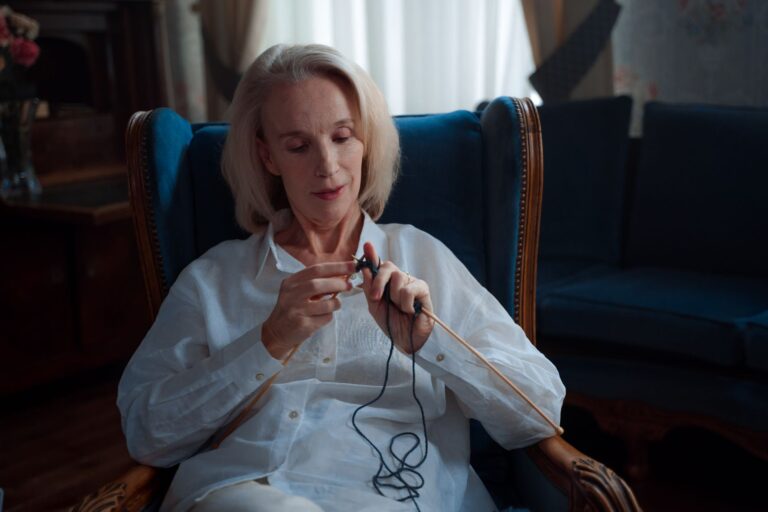
Simplify knitting for memory care groups by pre-casting on stitches, using plain garter stitch in block colours, and letting people knit without a written pattern. Use larger needles with thicker, bright yarn in a small weekly circle. Memory care groups serve people living with memory loss and need activities that stay calm and social. Familiar needle movements can still soothe and engage after new patterns become too hard.
Medical information disclaimer: This article is for general educational purposes only and does not provide medical advice, diagnosis, or treatment. Always consult a physician or other qualified health professional about symptoms, medications, tests, or treatment decisions.
Table of Contents
- What materials work best?
- How do you set up the session?
- How do you include different skill levels?
- What can groups honestly expect?
What materials work best?
Start with larger needles and thicker, brightly coloured yarn. Keeping Busy reports they are easier to see, grip and manipulate for reduced dexterity and vision, as described in the Keeping Busy knitting guide.
Choose block colours rather than stripes or complex colour changes. One solid colour shows progress clearly and reduces visual strain. For your kit, pack this way:.
- larger, smooth needles that are easy to hold
- thick yarn in one bright colour per person
- short, pre-started pieces rather than empty needles
How do you set up the session?
Do the hard start before people arrive. The Alzheimer's Society advises pre-casting on stitches, using plain garter stitch, and letting participants knit without following a written pattern, as explained in the Alzheimer's Society carers' tips. Garter stitch means knitting every row with no purling or shaping.
Keep pieces small, such as squares, scarves, or simple rectangles. Offer gentle cues row by row and let people stop, watch, or hold yarn. Run knitting as a small, weekly circle. The Keeping Busy Learning Center recommends meeting in the early afternoon, when creative activities are best received, to aid attention, cueing and social contact.
How do you include different skill levels?
Let beginners simply knit forward while experienced knitters keep a steady rhythm. PrimeCarers notes familiar repetitive knit movements can remain soothing and engaging even after following new patterns becomes too difficult. Support restless hands with simple motion, not harder patterns.
DailyCaring recommends large-gauge needles or hooks with thick yarn to keep simple knit or crochet going safely for experienced knitters. Add twiddle muffs for people who prefer touch to stitching. Alberta Health Services describes them as warm hand-muffs with textured ribbons, beads and fabrics inside and out for manual activity, brain stimulation and comfort.
What can groups honestly expect?
Expect calm, focus, and social time rather than treatment. Global Backyard, summarizing Geda et al.
2011 from the Mayo Clinic Study of Aging, reports crafters knitting once or twice weekly had about 28 percent lower risk of mild cognitive impairment over four years, detailed in the summary of the Mayo Clinic Study of Aging. That link was observational in a 1,321-person sample, with 30 to 50 percent lower odds reported. The NHS advises these findings do not prove knitting itself prevents dementia, so promise enjoyment, focus and social wellbeing, as stated in the NHS activities guidance.