When interest in knitting fades, memory care groups can switch to singing familiar songs, simple art, gardening, gentle movement, and useful household tasks. Memory care groups are supervised activity programs for people living with dementia.
Knitting needs fine finger work, step memory, and focus. Those demands can frustrate members as abilities change. Simple, familiar actions with a clear finish often hold attention better.
Medical information disclaimer: This article is for general educational purposes only and does not provide medical advice, diagnosis, or treatment. Always consult a physician or other qualified health professional about symptoms, medications, tests, or treatment decisions.
Table of Contents
- Why Does Interest in Knitting Change?
- What Hands-On Activities Can Replace Knitting?
- What Can Art and Music Do for Mood?
- How Do Movement and Familiar Chores Help?
Why Does Interest in Knitting Change?
Interest often drops because the task feels too hard or too slow. Missed stitches, tangled yarn, and long instructions can cause withdrawal.
Watch for pushing materials away, restlessness, or leaving the table. Change the job, not the gathering. Keep the same time, seats, and music cue, but offer an easier task with visible progress.
What Hands-On Activities Can Replace Knitting?
According to Penn State Extension guidance on meaningful engagement, simple substitutes work well for dementia groups. Options include singing familiar songs, gardening, arranging flowers, sweeping, folding clothes, sorting items, and organizing objects.
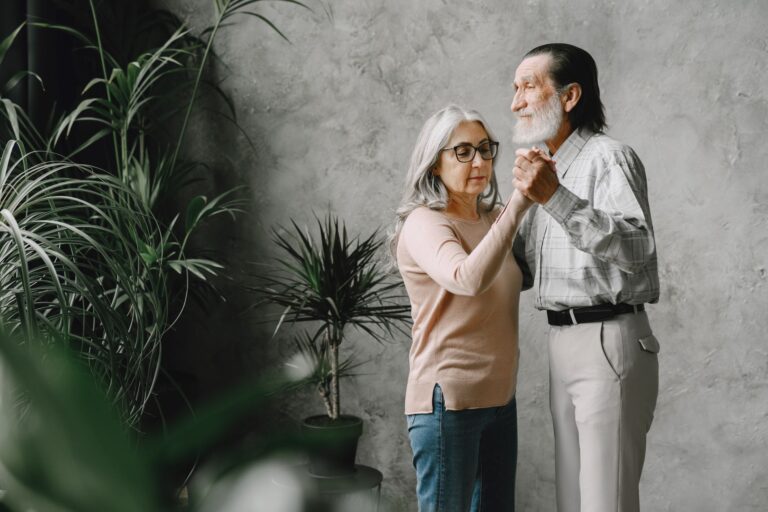
The U.S. Department of Veterans Affairs caregiver program also recommends music, dancing, gardening, and simple chores. Its examples include watering plants, setting the table, folding laundry, and sweeping, described in VA guidance for daily planning.
- sorting large buttons by color
- folding towels or napkins
- watering indoor plants
- arranging cut flowers in wide vases
- sweeping a small marked area
What Can Art and Music Do for Mood?
The Alzheimer's Association says art projects can build accomplishment and purpose, described in Alzheimer's Association guidance on art and music. Art also gives people with dementia and caregivers an outlet for self-expression. The Alzheimer's Association reports studies show music may reduce agitation and improve behavioral issues common in the middle stages of dementia.
A 2025 Cochrane review covered 30 studies with 1,720 mostly care-home residents. Reported in Cochrane findings summarized through EurekAlert, music-based therapy probably improves depressive symptoms and may improve overall behavioral problems by end of treatment. The same review found little effect on agitation, aggression, emotional well-being or cognition, with uncertain benefits beyond four weeks after treatment stopped. Use music for comfort and engagement during the session, not as a lasting treatment.
How Do Movement and Familiar Chores Help?
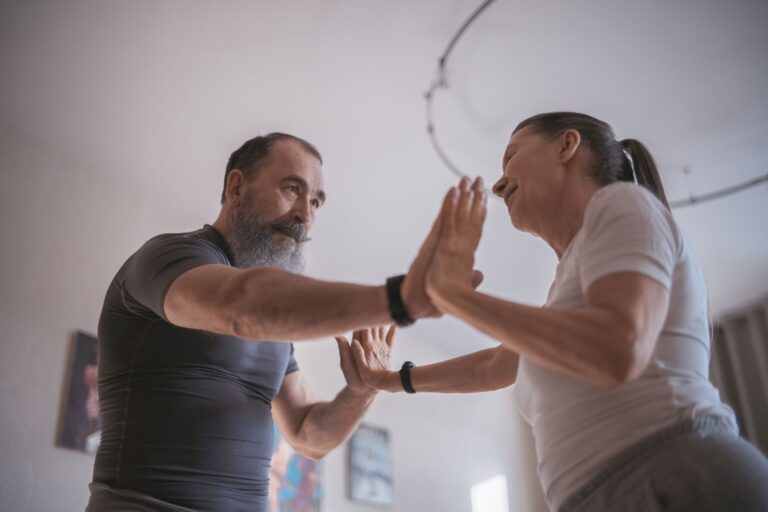
The Alzheimer's Association advises using art, music, or other activities to distract from anxiety. It also advises keeping people active and engaged to discourage wandering by reducing restlessness. The World Health Organization recommends physical exercise 3-4 times weekly for 30-45 minutes for more than 12 weeks.
Examples include walks or group movement. Pair movement with a chore to keep the group purposeful. End a short walk by watering plants, then fold laundry together while familiar songs play.