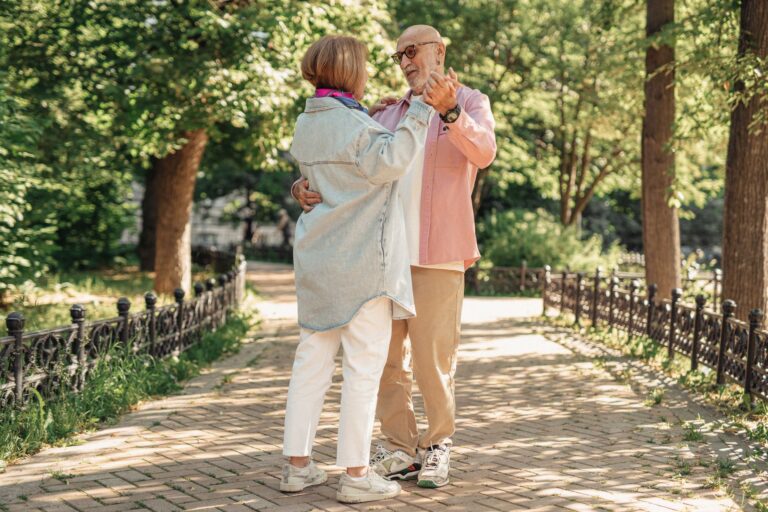
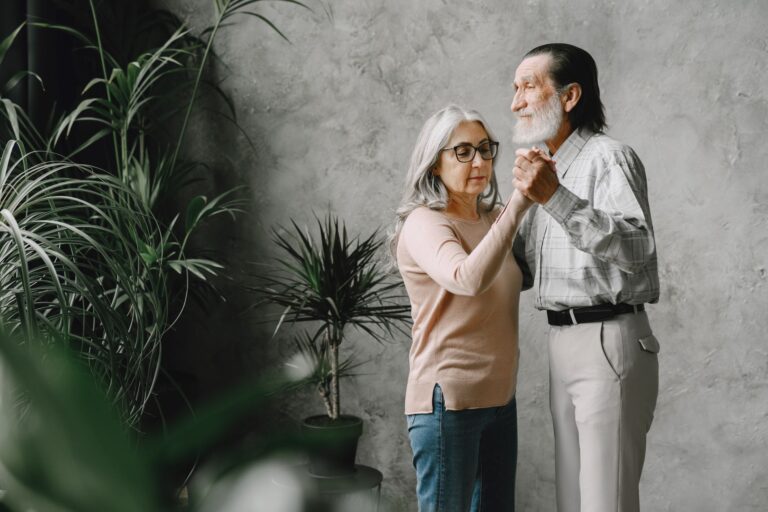
Begin with 5-minute gentle dance sessions on a clear, lit floor, wearing supportive non-slip shoes with a chair nearby. Add minutes gradually toward 150 minutes a week, since dancing supports brain health by mixing aerobic movement, step memory, and social contact. Moderate activity raises heart rate and breathing but still allows talk, such as fast dancing or brisk walking. The Alzheimer's Association explains this mix, not repetition alone, in its guide to dancing and brain health.
Medical information disclaimer: This article is for general educational purposes only and does not provide medical advice, diagnosis, or treatment. Always consult a physician or other qualified health professional about symptoms, medications, tests, or treatment decisions.
Table of Contents
- Why dance trains memory and balance
- How much weekly movement helps
- How to build from 5 minutes
- What makes a home dance spot safer
Why dance trains memory and balance
Dancing pairs physical effort with learning steps, following rhythm, and responding to a partner or group. That blend works memory, attention, and coordination at once.
In an 18-month trial of healthy seniors averaging age 68, dance and endurance training both increased hippocampus volume. Only dancers significantly improved balance, which helps daily steadiness and fall safety.
How much weekly movement helps
Older adults need regular aerobic work plus strength and balance to protect thinking and mobility. Short bouts count when they add up across the week.
The CDC advises at least 150 minutes weekly of moderate aerobic activity for adults 65 and older, plus muscle-strengthening and balance activity, in its activity guidance for older adults. Fast dancing can supply the aerobic share, while heel raises, wall pushups, and single-leg stands can cover strength and balance.
How to build from 5 minutes
Start from present fitness with low-intensity sessions, then add time before adding speed. The National Institute on Aging recommends this slow build because overdoing it can cause injury and quitting, in its starter guide for older adults.
Use the same simple order each time. Warm up with marching in place and shoulder rolls, dance gently for 5 minutes, then cool down with slow steps and easy stretches.
What makes a home dance spot safer
Ask a clinician first if inactive or living with a chronic condition. The National Institute on Aging lists medical clearance, sturdy non-slip shoes, clear lit floor, and a chair or wall nearby for balance in its safety and exercise-type guide. Set up before music starts:.
- clear cords, rugs, pets, and clutter from the floor
- wear supportive, non-slip shoes, not socks
- keep a chair or wall within reach
- stop for pain, dizziness, or breath trouble