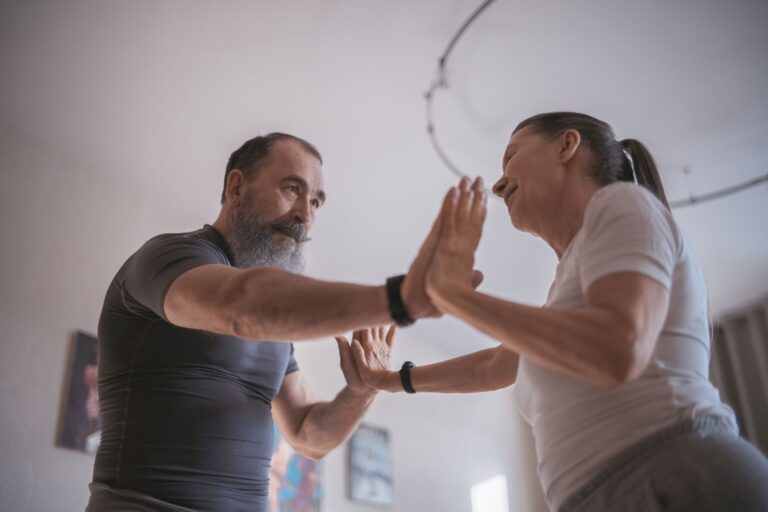
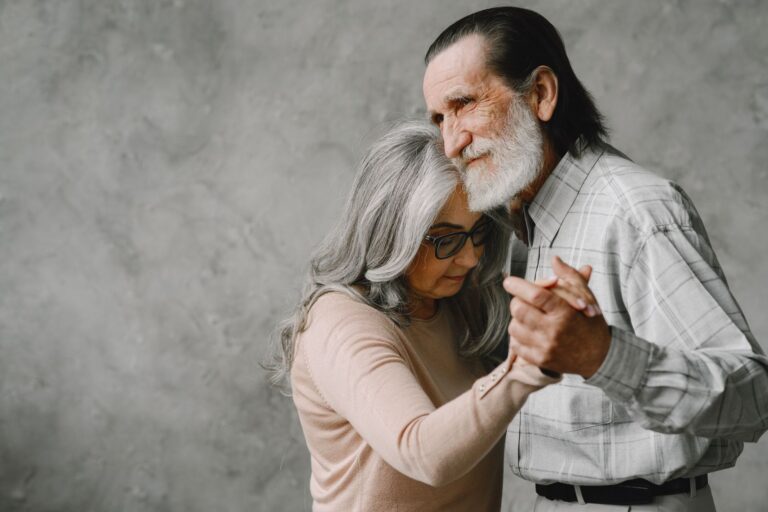
No intervention has definitive proof to prevent Alzheimer's, but frequent dancing and regular exercise are linked to lower dementia risk. Alzheimer's disease is a progressive brain disorder that damages memory and thinking, and the same activity also lowers heart and mood risks after 65. Many headlines suggest dance alone can keep Alzheimer's away. This article compares those claims with human studies, including people living with other chronic conditions.
Medical information disclaimer: This article is for general educational purposes only and does not provide medical advice, diagnosis, or treatment. Always consult a physician or other qualified health professional about symptoms, medications, tests, or treatment decisions.
Table of Contents
- What do long-term studies show?
- Can dance help after memory problems begin?
- How do heart disease, diabetes and depression fit in?
- Which type of dance has the strongest signal?
What do long-term studies show?
In the Einstein/Bronx Aging Study of 469 adults age 75 and older, frequent dancing was linked to about 76% lower dementia incidence than rare dancing. The New England Journal of Medicine reported the result in the 2003 leisure-activity report. The Alzheimer's Association notes that regular physical exercise may lower risk of Alzheimer's and vascular dementia, without definitive proof of prevention.
The Alzheimer's Society UK reports that regular exercisers may be up to 20% less likely to develop dementia, with midlife activity showing the strongest reduction, in its physical-activity guidance. These studies tracked habits and later diagnoses over time. They show a link, not proof that dance alone prevents disease.
Can dance help after memory problems begin?
Mild cognitive impairment means measurable memory or thinking changes that do not yet block daily life. A February 2025 study in Diagnostics found that 12 weeks of dance-based aerobic training significantly improved frailty, cognition, impairment and executive function in 92 older adults with this condition. Executive function means planning, focus and self-control.
A 2025 review in Medicine and Science in Sports and Exercise pooled 13 trials with 1,174 healthy older adults, mean age 70.7. It found a small cognition benefit, g=0.27, and a moderate depression benefit, g=0.43. A 2026 review in Frontiers in Physiology found no statistically significant advantage for dance over other exercise types for cognition in mild impairment and dementia. That result limits claims that dance is the best exercise for thinking.
How do heart disease, diabetes and depression fit in?
For adults 65 and older, activity reduces dementia and depression risk while also lowering heart disease, stroke and type 2 diabetes risk. The CDC describes this shared benefit on its older-adult benefits page. That overlap matters for people managing several conditions at once.
Better blood flow, steadier blood sugar and improved mood support both brain health and daily function. Caregivers can treat movement as part of chronic-disease care, not a separate brain program. Regular sessions that fit joints, balance and heart limits help more than rare intense effort.
Which type of dance has the strongest signal?
Across 28 trials with 1,967 adults age 60 and older, only ballroom dancing significantly improved cognitive function, with a large effect size of SMD 0.89. The 2025 systematic review and Bayesian network meta-analysis reported this pattern, not a win for dance in general.
Social partner styles combine steps, music, balance and interaction. Those demands may explain the signal, but the evidence remains early and narrow. A practical way to test dance for yourself: Pick one weekly class you can attend for 12 weeks, then review energy, mood and memory with your care team.
- Ask a clinician about balance, joint, heart and blood-sugar limits
- Pick a beginner social class, such as ballroom, that meets weekly
- Start with one 45 to 60 minute session and build attendance over 12 weeks