Building dancing into a realistic dementia prevention routine when starting slowly means beginning with short, enjoyable dance sessions and adding minutes over weeks until dance helps meet 150 minutes of weekly moderate activity. A dementia prevention routine here means steady habits that reduce modifiable risks, especially midlife physical inactivity. Leisure-time activity such as sports, dancing, or gym exercise is linked to lower dementia risk. According to The Lancet Public Health, a 2026 meta-analysis of 74 studies with over 4.2 million adults in 30 countries found higher leisure-time activity linked to 24% lower dementia risk read the Lancet Public Health meta-analysis.
Medical information disclaimer: This article is for general educational purposes only and does not provide medical advice, diagnosis, or treatment. Always consult a physician or other qualified health professional about symptoms, medications, tests, or treatment decisions.
Table of Contents
- What does the research say about dancing?
- How much dance counts for brain health?
- How do you start slow and build up?
- How do you make dance cover balance and strength?
What does the research say about dancing?
Frequent dancing stood out in a prospective Einstein Aging Study of 469 adults age 75 and older. According to the New England Journal of Medicine, frequent dancers showed about 76% lower dementia incidence than infrequent dancers see the Einstein Aging Study record.
That result is observational and comes from a small, older group. It does not prove dance alone prevents dementia. The National Institute on Aging notes that trial evidence is still insufficient to prove exercise directly prevents Alzheimer's.
How much dance counts for brain health?
Think in weekly minutes, not single workouts. According to the CDC, adults 65 and older should get at least 150 minutes weekly of moderate aerobic activity such as brisk walking, plus muscle-strengthening on two or more days and balance activities like standing on one foot see the CDC activity guidance for older adults. Dance can supply many of those aerobic minutes.
The Alzheimer's Association also advises at least 150 minutes of moderate exercise weekly, with its U.S. POINTER recipe prescribing 30 to 35 minutes of aerobic activity four times weekly plus strength and flexibility work. A routine can therefore treat dance as the aerobic base and add short strength and balance parts.
How do you start slow and build up?
Federal activity guidelines tell inactive adults to start low and go slow. According to the U.S. Department of Health and Human Services, a starting example is five minutes of slow walking several times daily five to six days weekly, with older adults sometimes needing two to four weeks to adjust to a new level read the federal Physical Activity Guidelines.
Apply the same pattern to dance. Choose music with a comfortable beat and march, step-touch, or sway for one short song. Rest when breathless, then repeat the song later in the day.
- Pick two or three dance days in week one, with 5 to 10 minutes per session.
- Keep effort moderate enough to talk, but warm enough to notice breathing.
- Add one song or one extra day per week when recovery feels easy.
- Stay at the new level for two weeks before adding again if joints, balance, or stamina feel taxed.
How do you make dance cover balance and strength?
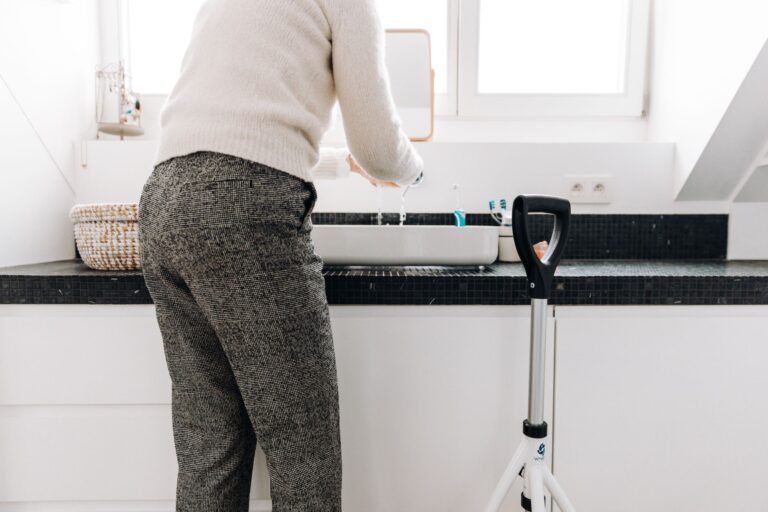
Dance already trains timing, direction changes, and foot placement. Add deliberate balance practice by pausing in a safe stance near a counter, shifting weight side to side, or standing briefly on one foot with support nearby. Add strength with body weight twice weekly. Do chair squats, wall push-ups, calf raises, and gentle side steps on non-consecutive days.
Keep movements slow and controlled, and use a sturdy chair or counter for balance support. The 2024 Lancet Commission led by UCL Prof. Gill Livingston estimated that addressing 14 modifiable risks could prevent or delay about 45% of dementia cases. Pick enjoyable dance styles, build minutes gradually, and check with a clinician first if a chronic condition limits activity.