People with Alzheimer's disease often retain memories of wedding anniversaries far longer than recent daily events, because the disease initially damages the brain regions responsible for forming new memories while leaving older, emotionally significant autobiographical events relatively intact. This preservation means that even as the disease progresses, anniversary milestones may remain accessible—though sometimes through emotion and sensation rather than clear recall of facts.
The reason is neurological: Alzheimer's initially targets recent memory through damage to the hippocampus, while older autobiographical memories stored elsewhere in the brain remain accessible much longer. Additionally, research identifies a "reminiscence bump" where memories from ages 6–30, including many wedding-era events, show heightened preservation compared to memories formed after age 30. This pattern gives caregivers and loved ones a concrete window of opportunity.
Medical information disclaimer: This article is for general educational purposes only and does not provide medical advice, diagnosis, or treatment. Always consult a physician or other qualified health professional about symptoms, medications, tests, or treatment decisions.
Table of Contents
- Why Wedding Memories Often Survive the Earliest Stages
- The Emotional Memory That Outlasts Facts
- Reminiscence Therapy as a Practical Tool
- Timing Matters—Starting Early Yields Better Results
- When Words Fade but Recognition Remains
- Frequently Asked Questions
Why Wedding Memories Often Survive the Earliest Stages
Alzheimer's disease progresses in a specific, predictable sequence: it first disrupts the formation of new memories through hippocampal damage, while leaving long-established personal events—including weddings and anniversaries—tucked away in other brain networks. A person diagnosed early in cognitive decline may struggle to recall what happened yesterday but recall their wedding day with relative clarity.
This differential memory loss means anniversary celebrations in early-to-moderate stages can be built around genuine recollection. A wife or husband with early Alzheimer's may not remember breakfast that morning but can recount details of their wedding venue, their first dance, or what their spouse wore. The emotional weight of the anniversary event—its significance in the person's life story—makes it more resistant to the disease than mundane recent events.
The Emotional Memory That Outlasts Facts
Equally important, the emotional core of a wedding anniversary often survives even when the factual details fade. Research shows that emotional components of memories persist even when patients cannot recall what triggered those feelings, indicating that emotion-related brain regions remain engaged. This means a person with moderate dementia might not remember the name of the caterer or the specific date, yet still feel the joy, love, or bittersweet nostalgia associated with the anniversary itself.
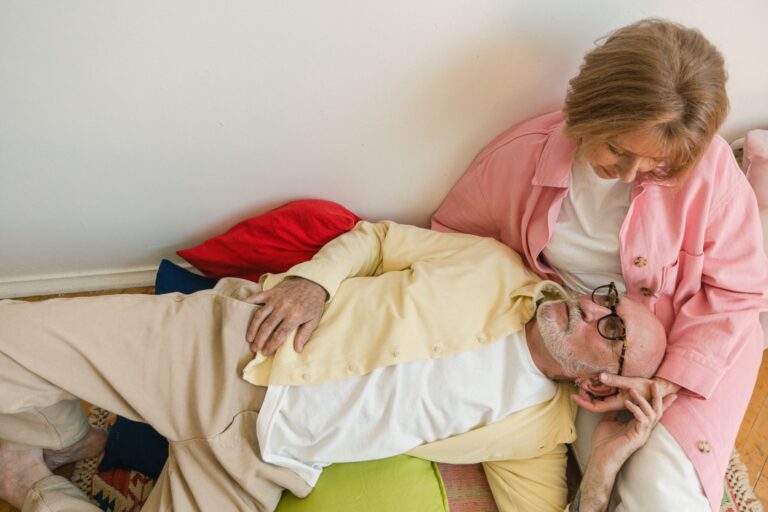
The amygdala—the brain's emotional processing center—shows stronger ties to emotional autobiographical memory than the hippocampus does in Alzheimer's patients. That dissociation is significant for caregivers: it means anniversary recall interventions can succeed through emotional resonance even when the hippocampus is severely damaged. A hug, a familiar song, or a cherished photograph can evoke the feeling of the anniversary without requiring the person to produce a verbal narrative.
Reminiscence Therapy as a Practical Tool
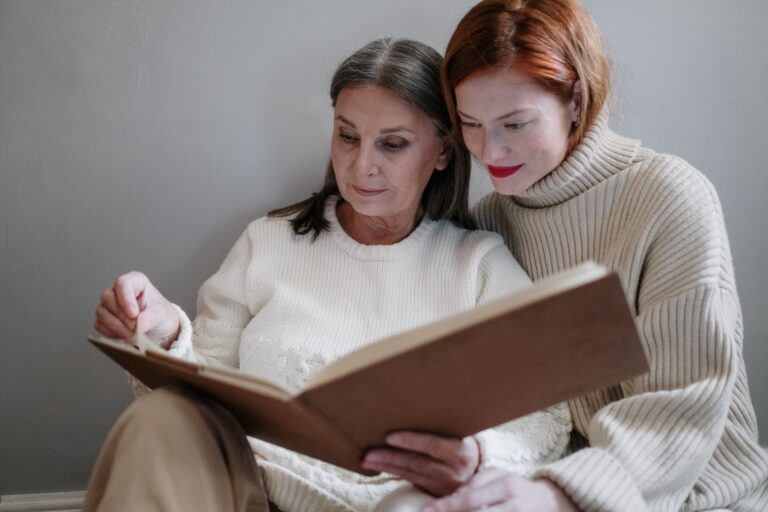
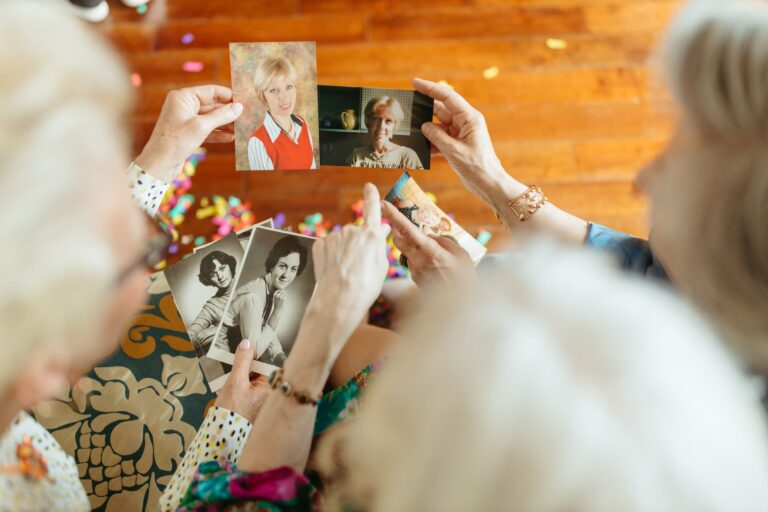
Reminiscence therapy using photographs, music, and familiar objects reliably evokes older memories and reduces anxiety and agitation in Alzheimer's patients. Wedding anniversary materials are ideally suited to this approach because they combine visual, auditory, and emotional elements that unlock preserved memory networks. Concrete steps for anniversary reminiscence activities include:.
- **Gather anniversary photographs** and display them where the person can see them regularly; even non-verbal responses to images—smiles, reaching out, sustained looking—show memory engagement.
- **Play music from the wedding era** or songs significant to the couple; musical memory, both the ability to recognize familiar tunes and the emotional response they trigger, persists well into moderate-to-late Alzheimer's stages.
- **Use familiar scents or objects**—wedding favors, anniversary cards, jewelry worn at the wedding—to anchor the memory through multiple sensory channels.
- **Involve family and friends** who were present at the wedding, as their presence and shared reminiscence can reinforce the anniversary's emotional context.
Timing Matters—Starting Early Yields Better Results
Episodic autobiographical memory impairment is detectable as early as preclinical and prodromal Alzheimer's stages, but the richness of detail for distant personal events plateaus longer than recent memory. This means anniversary recall interventions are most effective when initiated early in the disease course and sustained across progression.
If a spouse or partner has received a diagnosis, even a mild cognitive impairment diagnosis, beginning anniversary-focused reminiscence activities immediately creates a memory resource for future years. Video or audio recordings of anniversaries, curated photo albums, and written accounts of meaningful anniversary moments become increasingly valuable as the disease progresses. A person who cannot recall a conversation from this morning may be moved to tears by a video of their 25th anniversary party recorded years earlier.
When Words Fade but Recognition Remains
Procedural and implicit memory—the ability to perform learned motor skills and automatic recognition—remain relatively preserved throughout Alzheimer's progression. A person unable to recall their wedding might nevertheless recognize their spouse without being told, move to dance when their wedding song plays, or respond with preserved emotion when shown photographs from that day.
Musical memory, both the procedural ability to play instruments and the emotional response to familiar songs, persists in many Alzheimer's patients. Wedding songs or music from an anniversary celebration can trigger implicit memory and emotional resonance even in moderate-to-late disease stages, allowing moments of connection that bypass the need for factual recall. The anniversary becomes less about remembering details and more about experiencing the feeling of being loved and celebrated, which may matter far more to quality of life than accuracy.
Frequently Asked Questions
If someone with Alzheimer's asks about their wedding repeatedly, is that a problem?
No. Repetitive reminiscence about anniversaries and weddings is a sign that these memories are still accessible and emotionally meaningful. Each telling is a fresh experience for the person, and the emotional satisfaction is genuine each time. Answering patiently reinforces connection.
What if the person gets upset when recalling an anniversary?
Emotions tied to anniversaries may be complex—grief over the passing of time, sadness about memory loss, or unresolved relationship tensions can surface. If distress occurs, gently redirect to a different sensory anchor (music instead of photos, for example) or end the reminiscence session. Not all memory activation is therapeutic; the goal is meaningful connection, not forced recall.
Can reminiscence activities slow memory loss?
No. Reminiscence therapy does not halt or reverse Alzheimer's progression. It does, however, reduce anxiety, agitation, and depression; strengthen emotional bonds with caregivers; and improve quality of life by making existing memories accessible. Those outcomes are meaningful even though the disease continues.