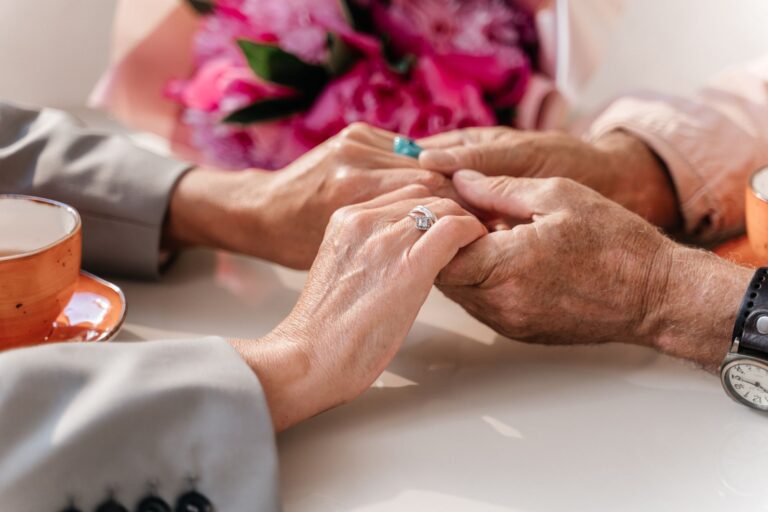
Yes, a person with Alzheimer's disease can experience genuine joy and emotional connection when viewing an old wedding photograph, even as the disease progresses and cognitive memory fades. This happens because Alzheimer's damages different types of memory unevenly. Older memories often remain accessible longer than recent ones.
The brain's emotional centers can respond to meaningful images even when recognition fades. Understanding this mechanism can help families and caregivers use photographs as a real, evidence-based way to maintain meaningful connection. The goal isn't to restore lost memory, but to create moments of authentic emotional comfort and presence.
Medical information disclaimer: This article is for general educational purposes only and does not provide medical advice, diagnosis, or treatment. Always consult a physician or other qualified health professional about symptoms, medications, tests, or treatment decisions.
Table of Contents
- How Alzheimer's Affects Different Types of Memory
- Why Emotional Memory and Connection Outlast Recognition
- What Research Shows About Using Photographs in Dementia Care
- How Caregivers Can Use Photographs Effectively
- Recognizing When This Approach Becomes Less Effective
- Frequently Asked Questions
How Alzheimer's Affects Different Types of Memory
Mayo Clinic research shows that Alzheimer's disease typically progresses through three stages and damages memory selectively. The disease initially damages the hippocampus—the brain region storing recent memories—while older autobiographical memories are distributed across multiple brain networks.
This means short-term memory declines first, while memories from decades earlier—including significant events like a wedding—remain more intact. A person with early-to-moderate Alzheimer's might forget yesterday's conversation but retain emotional impressions of their wedding day. The further back a memory is encoded, and the more emotionally significant or repeatedly reinforced, the longer it typically resists the disease.
Why Emotional Memory and Connection Outlast Recognition
Even when someone with Alzheimer's no longer recognizes faces or can recall facts, their emotional memory often persists. Frontiers in Psychology research shows that emotional memory can be preserved in Alzheimer's disease, even when factual memory declines. Some patients retain emotional memory for significant events and show sustained responses to meaningful memories despite advancing disease.
This persistence occurs partly because the brain's emotional-response center often remains functional even when other cognitive regions deteriorate. A person may not recognize their spouse cognitively, yet feel genuine warmth and safety in that person's presence. Similarly, a wedding photograph may evoke authentic joy through emotional resonance, even if specific details are forgotten.
What Research Shows About Using Photographs in Dementia Care
Photographs, particularly from significant life events, can trigger meaningful responses in people with early-to-moderate Alzheimer's. The Alzheimer's Association notes that patients with mild-to-moderate disease are most likely to benefit from photo-prompted reminiscence. Reminiscence therapy—structured engagement with life-history memories using photographs—produces measurable improvements.
Research on reminiscence therapy shows moderate-sized reductions in depressive symptoms and small-to-moderate improvements in cognitive function. Once weekly for 30–35 minutes over 12 weeks, reminiscence therapy reduces anxiety and agitation while improving quality of life. However, long-term effectiveness beyond 6–10 months remains uncertain, and benefits are strongest in earlier disease stages.
How Caregivers Can Use Photographs Effectively
Research and clinical experience suggest specific approaches work better than others when using old photographs:.
- Select photographs from emotionally significant life events—weddings, births, career achievements—rather than random snapshots.
- Schedule reminiscence activities once or twice a week for 30–40 minutes in a calm, quiet environment.
- Let the person lead the conversation; fragmented memories, emotions, and impressions matter more than complete, accurate recall.
- Avoid correcting details or quizzing them about facts. The goal is emotional connection and comfort, not testing.
- Watch for signs of genuine enjoyment; stop if the person seems anxious or distressed.
Recognizing When This Approach Becomes Less Effective
As Alzheimer's progresses into moderate and late stages, cognitive recognition of photographs typically declines, and the emotional resonance may fade as well. At advanced disease stages, other forms of engagement—such as music, touch, or the presence of a familiar person—may become more meaningful than photographs.
Additionally, some people with Alzheimer's experience distress when viewing old photographs, perhaps triggered by awareness of memory loss or unresolved emotions. If a person shows signs of anxiety or upset rather than comfort, caregivers should adjust their approach. There is no standard progression; individual responses vary widely.
Frequently Asked Questions
Can looking at old photographs slow down or reverse Alzheimer's disease?
No. While reminiscence therapy with photographs reduces anxiety and depression and may produce small cognitive improvements, it does not slow disease progression or reverse memory loss. The benefit is emotional connection and comfort during the disease process, not disease modification.
What if the person becomes upset or agitated when viewing old photographs?
Some people experience distress when viewing old photos, possibly triggered by awareness of memory loss or unresolved emotions. If this happens, stop the activity and try other forms of engagement, such as music or time with familiar people. Responses vary by individual.
Is reminiscence therapy with photographs more effective than other activities like music or conversation?
Research on reminiscence therapy specifically measures benefits from photographs and shows improvements in mood and quality of life. However, music, touch, and presence are also documented to help people with Alzheimer's. The most effective approach often combines multiple forms of engagement tailored to the individual's response.