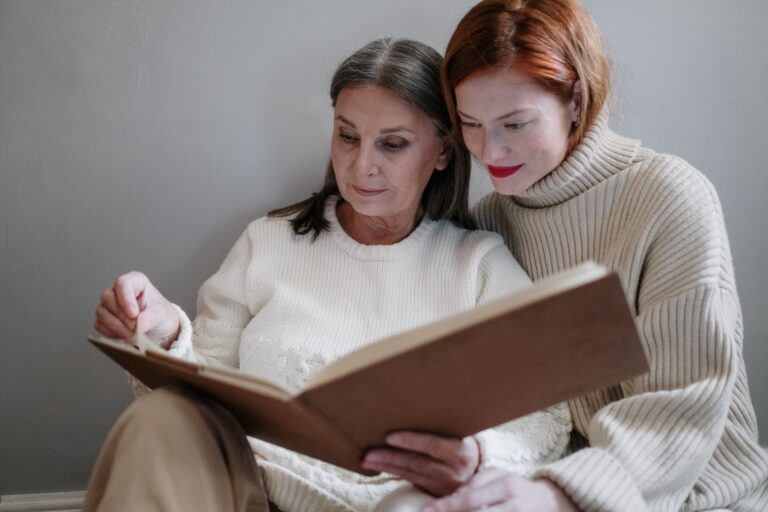
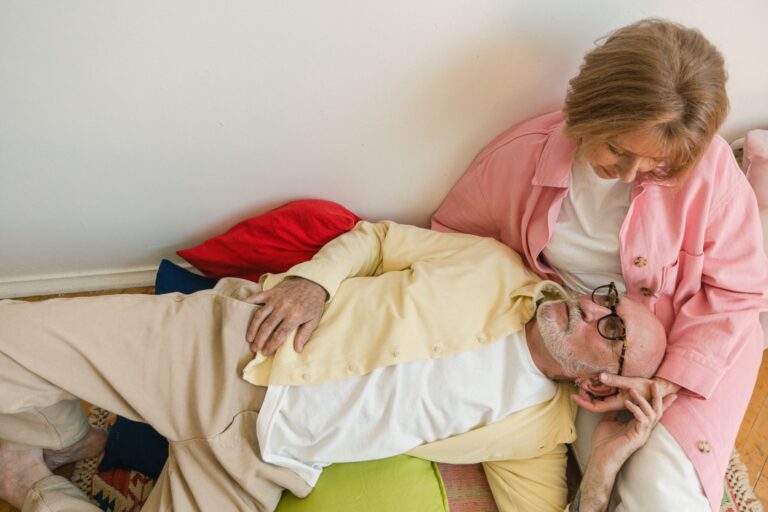
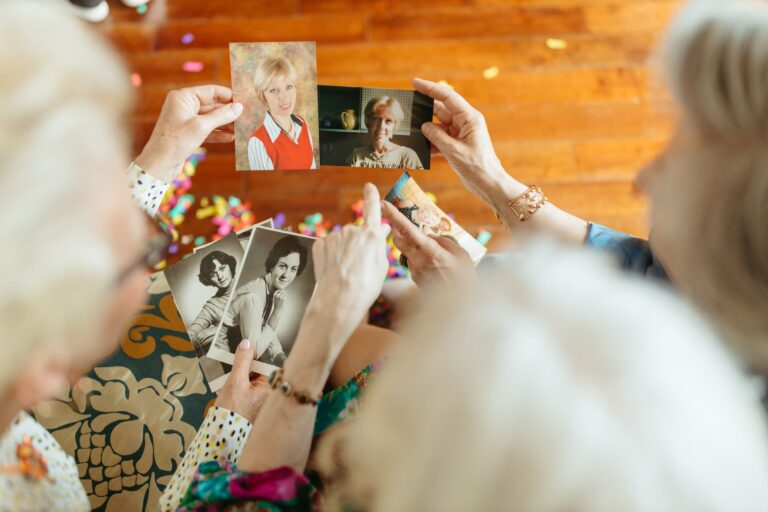
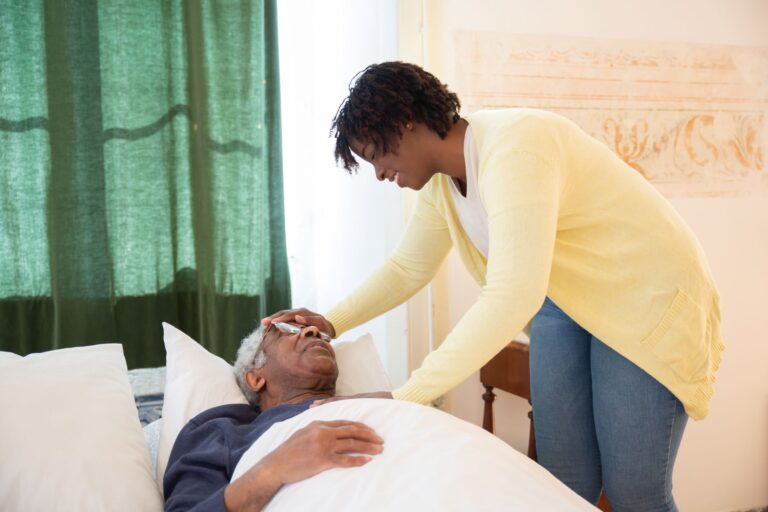
Singing a familiar church hymn can activate and retrieve memories in Alzheimer's patients long after language and visual memory have faded, because the brain regions that process musical recognition and emotional response remain largely spared from the disease's damage. This happens because melody and procedural memory—how to perform an action—are encoded in different neural pathways than facts and names, creating a preserved gateway to the past even in advanced dementia. For people with Alzheimer's and their caregivers, hymns offer a documented tool that works: they reduce agitation, restore a sense of spiritual belonging, and provide moments of clear connection when little else does. The effect is strongest for songs learned early in life and practiced weekly over decades, like hymns sung in childhood churches.
Medical information disclaimer: This article is for general educational purposes only and does not provide medical advice, diagnosis, or treatment. Always consult a physician or other qualified health professional about symptoms, medications, tests, or treatment decisions.
Table of Contents
- Why the Brain Remembers Melodies When It Forgets Names
- Why Church Hymns Work Better Than Unfamiliar Songs
- What Singing Does Beyond Retrieving Memory
- Practical Steps for Caregivers
- What Singing Cannot Do—And When to Seek Additional Support
- Frequently Asked Questions
Why the Brain Remembers Melodies When It Forgets Names
The cerebellum and other regions handling music—including the caudal anterior cingulate and ventral presupplementary motor area—remain spared from Alzheimer's pathology while disease erodes the regions responsible for language and factual memory. This is not random.
Alzheimer's pathology spreads in a predictable pattern, attacking the hippocampus and cortical language centers early but leaving musical processing circuits largely intact until very late disease stages. Musical memory persists until near-brainstem involvement—meaning a person can sing a hymn learned at age 10 while unable to name their grandchild. The brain's salience network for emotional responses to music is also preserved throughout disease progression, so the feeling of the song—its comfort, familiarity, and meaning—survives even when cognitive decline is severe.
Why Church Hymns Work Better Than Unfamiliar Songs
Church hymns are encoded into both long-term procedural memory (how to sing them) and emotional centers in ways that make them uniquely durable. Hymns learned early in life and repeated weekly during worship are encoded into procedural memory and emotional centers largely spared by Alzheimer's, allowing recognition and singing even in advanced stages.
The difference is stark: personally familiar and emotionally significant music leads to more specific autobiographical memories recalled faster and rated higher in emotional content compared to unfamiliar songs. A hymn tied to decades of weekly practice, religious meaning, and personal milestones functions as both a sensory anchor and a key to stored memory—a combination that generic music cannot match.
What Singing Does Beyond Retrieving Memory
A randomized controlled trial found music therapy significantly enhanced episodic memory in patients with Alzheimer's and mixed dementia, with singing showing additional benefits for working memory and caregiver well-being. Singing engages more brain pathways than listening alone; it activates motor planning, breathing, emotion regulation, and vocalization simultaneously.
Music interventions reduce anxiety-related agitation, improve mood and depression, coordinate motor movements, and facilitate positive social interactions. These changes appear across systematic reviews of randomized trials and persist even when cognitive testing shows no measurable memory gain. For a person in moderate-stage dementia, a reduction in agitation and a restored sense of calm may matter more than score improvements.
Practical Steps for Caregivers
Start with hymns learned before age 20, sung weekly for decades. If you are not certain which songs matter most, ask family members or check the person's childhood church hymnal.
- **Play or sing daily**: Create a routine—morning coffee, afternoon rest, evening wind-down. Consistency strengthens the neural pathway over time.
- **Sing together when possible**: Group singing restores a sense of community and spiritual belonging and provides dual benefit—engagement for the person with dementia and meaningful connection for the caregiver.
- **Use audio recordings**: High-quality hymn recordings allow repeated listening without requiring a caregiver's voice; many churches archive their choir recordings online.
- **Expect variable response**: Some people will sing along; others will listen quietly. Both are valid responses. Agitation during music may signal overstimulation rather than disinterest—try softer volume or shorter sessions.
- **Continue even in late stages**: Musical memory persists much longer than other forms, so singing remains effective across all disease stages.
What Singing Cannot Do—And When to Seek Additional Support
Singing improves mood, attention, and social engagement but does not halt disease progression or restore lost cognitive function. Singing shows particular advantage for attention, orientation, and executive function, yet these gains are temporary—they occur during or shortly after the activity, not as lasting recovery.
If a person becomes distressed by music, loses interest despite past preference, or shows no response after consistent exposure over weeks, consult a music therapist or dementia care specialist. Individual variation is large; what works for one person may not work for another.
Frequently Asked Questions
At what stage of Alzheimer's does singing stop working?
Musical memory remains intact until very late disease stages, near brainstem involvement. For most people, singing remains a viable tool across mild, moderate, and even advanced dementia.
Does it matter if the person remembers the words?
No. Humming, listening, or singing partial lyrics all activate the same spared brain regions. The melody and emotional recognition matter more than verbal recall.
Can singing substitute for medication or other dementia treatments?
Singing improves mood and behavior but does not replace medical treatment. Use it alongside prescribed medications, therapy, and other evidence-based care, not instead of them.
Where can I find recordings of specific hymns?
Most denominations maintain digital archives; search by hymn title and "choir recording" or check your childhood church's website. YouTube also hosts many high-quality hymn recordings.