Families preserve wedding-day photographs for an Alzheimer's patient by digitizing them at high resolution (600 dpi minimum), creating at least two backup copies in separate locations, and adding detailed metadata identifying people, dates, and relationships. Keeping both printed and digital versions ensures these images remain accessible for reminiscence activities that research shows can improve mood, reduce behavioral symptoms, and maintain emotional connection even as the disease progresses. Wedding photographs hold particular power in dementia care because visual recognition often outlasts the ability to recall names—a person may not remember their spouse's name but will recognize them immediately in a photograph. Beyond recognition, family photographs activate brain regions linked to emotional processing and memory retrieval even in advanced dementia, meaning the emotional bonds tied to wedding images can persist long after factual recall fades.
Medical information disclaimer: This article is for general educational purposes only and does not provide medical advice, diagnosis, or treatment. Always consult a physician or other qualified health professional about symptoms, medications, tests, or treatment decisions.
Table of Contents
- Why Wedding Photos Matter More Than Names or Dates
- Step-by-Step Digitization and Backup Strategy
- Adding Names, Dates, and Stories to Each Image
- Using Photos for Reminiscence Therapy at Home
- The Dual Benefit: Medication Compliance and Family Connection
- Frequently Asked Questions
Why Wedding Photos Matter More Than Names or Dates
In Alzheimer's disease, episodic memory—the ability to recall personal events and names—typically declines faster than the brain's capacity to process visual information. This means a patient may lose the ability to name family members but retain the ability to recognize their faces in photographs. Patients with Alzheimer's show a stronger "picture superiority effect" than healthy adults, meaning images trigger recognition and emotion more powerfully than words alone.
Wedding photographs carry additional weight because they anchor both identity and relationship. A wedding photo doesn't require the patient to remember the date or venue details; it simply presents a visual moment of togetherness that can spark feeling and connection. Even in late-stage dementia, patients retain emotional memory associations with familiar visual stimuli, allowing wedding images to reduce anxiety and facilitate meaningful interaction with family members.
Step-by-Step Digitization and Backup Strategy
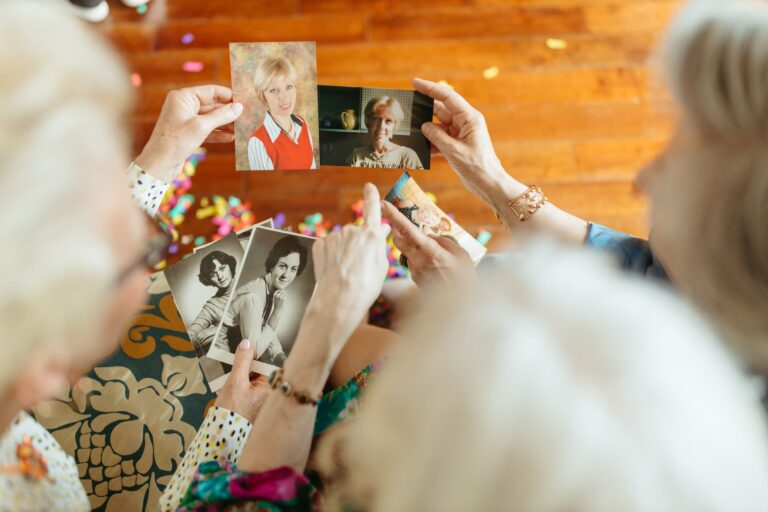
The first step is to digitize originals at adequate resolution. Wedding photographs should be scanned at 600 dpi minimum to preserve fine details and ensure clarity across enlargements or repeated viewing. A flatbed scanner or professional scanning service can handle this; some families choose services to save time and ensure consistent quality. After scanning, create redundant backups.
Maintain at least two backup copies in separate locations—one on-site and one in cloud storage or off-site to protect against media degradation, device failure, or physical loss. Store one copy locally (external hard drive in a home safe) and one cloud backup (Google Drive, Dropbox, or similar). This two-copy system is non-negotiable for long-term preservation. Finally, retain printed copies alongside digital files, as physical prints have a better chance of being viewed, shared, and appreciated by future generations. A printed wedding album or framed prints are not redundant—they serve different practical and emotional purposes than digital storage.
Adding Names, Dates, and Stories to Each Image
Metadata is the connective tissue between images and memory. Adding names, dates, locations, and relationships of people pictured is critical because family members' recollections fade over time, and without documented context, future generations lose the story behind the images.
For each wedding photo, record: Digital photo management software (Google Photos, Lightroom, or Apple Photos) allows you to tag people by face and add captions. These tags persist in the image metadata, so the information travels with the file if photos are shared or moved. handwritten notes on the back of printed photos also work, though digital metadata is searchable and more durable.
- Names of people pictured (spouse, children, parents, siblings, close friends)
- Date and location of the wedding
- Relationship of people to the bride or groom
- Any brief context ("this is my father, taken at our reception" rather than no label)
Using Photos for Reminiscence Therapy at Home
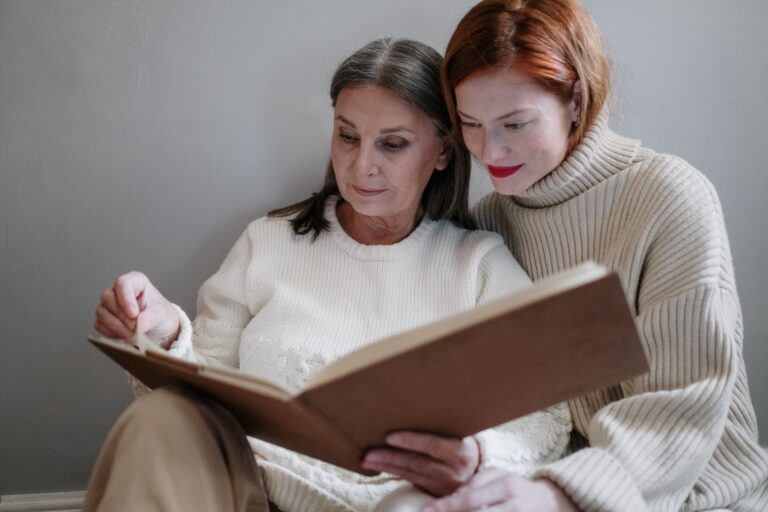
Once digitized and labeled, wedding photographs become tools for reminiscence therapy—structured conversations around family images. Photo-based reminiscence therapy improves cognitive function and reduces depressive symptoms in Alzheimer's patients, with participants showing decreased memory fog and fewer depressive episodes than non-participants.
The mechanics are simple: sit with the patient and the photograph, and ask open-ended questions: "Tell me about this person." "How did you feel on that day?" "What do you remember about this moment?" No right answers are required. The goal is to activate emotion and conversation, not to test memory. Mobile reminiscence therapy applications reduce behavioral and psychological symptoms by organizing wedding photos and personal images in structured sessions, and many families find that reviewing a few photos during medication time or a difficult moment can shift mood and behavior.
The Dual Benefit: Medication Compliance and Family Connection
A lesser-known benefit of photo engagement is improved medication compliance. Photo-based conversations improve medication compliance in Alzheimer's patients by approximately 50%, with patients who previously refused medication becoming significantly more compliant after engaging with family photos and reminiscence activities.
This practical outcome—alongside improved mood and reduced agitation—makes wedding photo preservation not just emotionally meaningful but medically useful. Family photographs also improve social interaction, mood, and quality of life in persons with dementia, with digitalized photos proving equally or more effective than printed versions in structured reminiscence settings. The dual-format approach—digital for easy access, printing, and sharing, plus physical prints for viewing and handling—meets both the immediate therapeutic need and the long-term family archive need.
- —
Frequently Asked Questions
What if my wedding photos are very old or faded?
Professional scanning services can often restore color and contrast during the digitization process. Even if the original is faded, a skilled scanner operator can enhance the digital file. If the original is too fragile to scan, a high-quality photograph of the printed photo, taken in good natural light, is better than no digital copy.
Do I need professional scanning, or can I use a home scanner?
A home flatbed scanner set to 600 dpi or higher will work for flat photos. For album pages, bent originals, or large quantities, professional services save time and often produce more consistent results. Cost and convenience are the main trade-offs.
Where should I store cloud backups?
Any major cloud service (Google Drive, Dropbox, OneDrive, Amazon Drive) is sufficient. Choose one you already use to reduce the number of passwords and services to manage. The redundancy is more important than the specific platform.
Can I show digital wedding photos on a tablet or large screen during reminiscence sessions?
Yes. Tablets and large monitors work well for reminiscence therapy. The goal is visibility and ease of handling; a tablet is often easier than passing around printed photos, particularly if the patient has mobility or dexterity limitations.