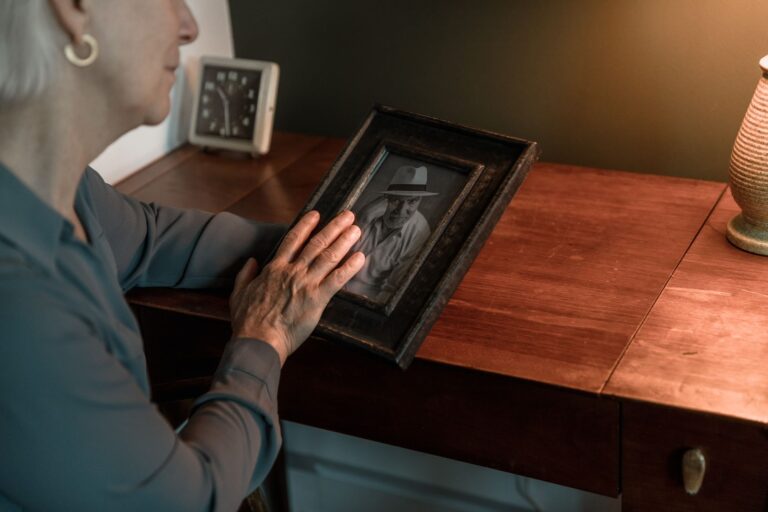
Childhood photo albums can feel invaluable because they may prompt older memories, conversation, and moments of connection for a person with dementia. They also give families a familiar way to spend time together when ordinary conversation becomes difficult.
Dementia means problems with memory, thinking, or decision-making that interfere with daily life; it is not normal aging, according to the CDC's dementia guidance. Because about 80% of affected U.S. adults receive care at home, simple activities that families can adapt matter.
Medical information disclaimer: This article is for general educational purposes only and does not provide medical advice, diagnosis, or treatment. Always consult a physician or other qualified health professional about symptoms, medications, tests, or treatment decisions.
Table of Contents
- Why photos can open a door
- What the research actually shows
- How to use an album without turning it into a test
- When to simplify or stop
Why photos can open a door
A childhood album provides concrete prompts: a school portrait, a familiar house, a sibling, or a long-ago celebration. The person does not need to remember every name or date for the interaction to have value. The Alzheimer's Association says familiar photos and objects may cue older memories and create connection.
Its reminiscence guidance recommends sharing the experience instead of testing the person's recall. That distinction changes the conversation. "What do you notice here?" leaves room for a story, an emotion, or silence. "Who is this?" can feel like a test with a right and wrong answer.
What the research actually shows
Reminiscence therapy is guided discussion of past experiences using prompts such as photographs or music. It is a psychosocial activity, not a medicine, medical device, or treatment that restores lost memories. A Cochrane review covered 22 randomized studies involving 1,972 people.
Fourteen studies found a small immediate improvement in cognition, but the researchers considered its clinical importance uncertain. The same review found no important immediate improvement in quality of life overall, and results varied by setting and activity format. The full Cochrane evidence review supports modest expectations: albums may help create comfort or conversation, but they have not been shown to slow dementia.
How to use an album without turning it into a test
Choose a small set of photos rather than asking the person to work through an entire album. Begin with clear, familiar scenes and let attention determine where the conversation goes.
Helpful approaches include: Captions can help relatives and caregivers identify people without questioning the person with dementia. A simple note such as "Rose and her sister Helen at the lake" supplies context while keeping participation optional.
- Sit beside the person so you can view the album together.
- Offer an observation, such as, "That looks like a sunny day."
- Ask open questions without demanding names, dates, or relationships.
- Accept stories as they are told instead of requiring perfect accuracy.
- Allow the person to look quietly without speaking.
When to simplify or stop
Watch the person's response rather than measuring how many photographs you cover. A relaxed expression, sustained attention, or spontaneous conversation may support continuing; refusal, agitation, or pushing the album away means it is time to pause. The National Institute on Aging advises families to match activities to the person's current abilities, follow their lead, and simplify or stop when frustration appears.
Its activity-adaptation guidance also notes that observation can replace active participation. If a photograph repeatedly causes distress, remove it from the selection. The practical goal is not successful recall—it is a tolerable, shared moment shaped by the person's response.