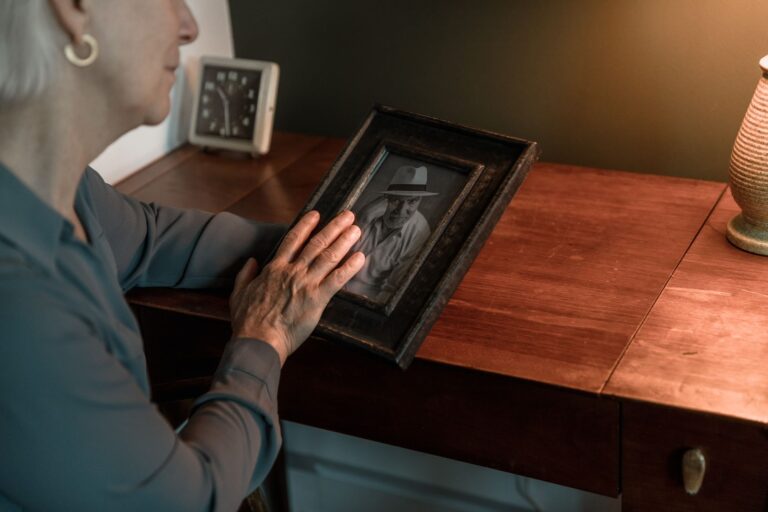
Recipe cards in a parent's handwriting can feel irreplaceable because they connect a familiar trace of that person with meals and stories the family shared. For families facing dementia, the cards can offer a gentle point of connection as memory, conversation, and everyday skills change. Dementia is an umbrella term for cognitive decline that interferes with daily life, rather than a normal part of aging. It can affect memory, thinking, behavior, and decisions, according to the CDC's overview of dementia.
Medical information disclaimer: This article is for general educational purposes only and does not provide medical advice, diagnosis, or treatment. Always consult a physician or other qualified health professional about symptoms, medications, tests, or treatment decisions.
Table of Contents
- What can a handwritten recipe hold?
- What does the evidence support?
- How should families use the cards?
- When is shared cooking appropriate?
- Preserve both the card and its context
What can a handwritten recipe hold?
Unlike a typed recipe, a handwritten card may contain crossed-out ingredients, family nicknames, substitutions, or notes about special occasions. These details can invite stories about who cooked, how a dish changed, or when the family served it. A card can therefore work as a reminiscence prompt.
Reminiscence therapy is a structured activity that uses personally meaningful objects and other prompts to encourage conversation and life review. A family conversation with a recipe card is not automatically therapy, however, and the card has no diagnostic value. Its importance is personal rather than measurable. There is no scientific evidence that a parent's handwriting preserves identity, restores memory, or maintains function.
What does the evidence support?
A Cochrane review of reminiscence therapy examined 22 trials involving 1,972 people, mostly with mild or moderate dementia. Participants used prompts such as photographs, music, videos, and memorabilia. The review found small, context-dependent benefits in areas such as cognition, communication, mood, or quality of life.
Results varied according to where and how the activity occurred. The limitations matter. Pooled quality-of-life findings were inconsistent, while cognitive improvement immediately after treatment did not persist weeks or months later. The clinical importance was also uncertain, and no identified trial specifically tested a parent's handwritten recipe cards.
How should families use the cards?
Treat a recipe card as an invitation, not a memory test. The goal is to create room for conversation or shared attention, not to demand the correct name, date, ingredient, or story.
A worthwhile moment does not require accurate recall. It might involve reading one line together, comparing two versions of a dish, sorting recipe cards, or simply looking at the handwriting.
- Choose one card connected with a familiar dish.
- Protect the original and place a readable copy on the table.
- Begin with an observation, such as, "I see you changed the amount of cinnamon."
- Follow the subject the person chooses, even if it moves away from the recipe.
- Pause or change activities if the interaction becomes tiring or upsetting.
When is shared cooking appropriate?
Preparing food can become difficult as dementia affects planning, judgment, and learned routines. A familiar recipe should never be treated as proof that someone can still cook independently.
The National Institute on Aging's home-safety guidance notes that a person with Alzheimer's may forget how to use appliances. Families should reassess kitchen safety as abilities change.
- Offer low-risk tasks such as washing produce, stirring a cool mixture, or arranging ingredients.
- Have another adult manage knives, heat, electrical appliances, and timing when needed.
- Adjust the activity to the person's abilities that day.
- Stop independent cooking when safe appliance use or sequencing is uncertain.
Preserve both the card and its context
Scan or photograph each card before frequent handling damages it. Save copies in more than one place, transcribe hard-to-read instructions, and keep the original wording intact.
Record related names, occasions, and family stories in a separate note so later generations can distinguish the card itself from added context. For decisions beyond keepsakes and activities, families can consult the National Institute on Aging's legal and financial planning resource after a dementia diagnosis.