Reviewed by the Help Dementia Editorial Team — our editors review every article for accuracy against guidance from the National Institute on Aging, the Alzheimer’s Association, and peer-reviewed sources.
Sauerkraut diet sits at the center of this dementia and brain health question.
Recent research suggests that a diet rich in fermented foods like sauerkraut may be linked to a 45 percent reduction in Alzheimer’s disease risk. This connection isn’t about sauerkraut alone being a miracle cure—rather, it’s about what fermented vegetables do to your gut microbiome, which in turn influences your brain health. The gut-brain axis, a bidirectional communication system between digestive health and cognitive function, has emerged as one of the most promising areas in dementia prevention research over the past decade. The mechanism is straightforward: fermented foods contain beneficial bacteria and compounds that support a healthy microbiome.
A diverse, thriving gut ecosystem produces substances like butyrate, which reduces inflammation throughout the body, including in the brain. For people concerned about cognitive decline, this means that something as simple and inexpensive as adding fermented vegetables to your weekly diet might offer meaningful protection against Alzheimer’s development. This finding doesn’t replace medical treatment, but it does offer an accessible dietary strategy that fits into most eating patterns. Whether you’re managing your own brain health or supporting a loved one in dementia care, understanding this connection can help you make informed choices about nutrition.
Table of Contents
- How Can Fermented Foods Lower Alzheimer’s Risk?
- The Difference Between Fermented and Cooked Sauerkraut
- The Broader Microbiome-Cognition Connection
- Building a Practical Fermented Food Strategy
- Potential Risks and Populations Who Should Be Cautious
- Fermented Foods Versus Probiotic Supplements
- The Future of Fermentation and Dementia Prevention
- Conclusion
- Frequently Asked Questions
How Can Fermented Foods Lower Alzheimer’s Risk?
The 45 percent risk reduction found in studies doesn’t come from the sauerkraut itself, but from the specific benefits its probiotics and fermentation byproducts deliver. When cabbage ferments, beneficial bacteria like Lactobacillus break down the plant material and create compounds that your gut lining absorbs. These compounds trigger a cascade of anti-inflammatory effects that travel throughout your body via the bloodstream and vagus nerve—the main “highway” connecting gut to brain. The most well-documented mechanism involves the production of short-chain fatty acids, particularly butyrate. In the brain, butyrate helps reduce neuroinflammation, a key driver of Alzheimer’s pathology.
It also supports the blood-brain barrier, which acts as a gatekeeper, preventing harmful substances from reaching neural tissue. A person eating sauerkraut or other fermented vegetables regularly maintains higher levels of these protective compounds compared to someone eating a standard American diet heavy in processed foods. Additionally, a healthy microbiome prevents “leaky gut”—a condition where intestinal permeability increases, allowing bacterial lipopolysaccharides (LPS) to enter the bloodstream. These inflammatory molecules can cross the blood-brain barrier and activate microglia, the brain’s immune cells, triggering the chronic inflammation linked to Alzheimer’s development. By maintaining gut integrity, fermented foods create a protective barrier.
The Difference Between Fermented and Cooked Sauerkraut
A critical limitation often overlooked: most store-bought sauerkraut sold in jars has been heat-treated and pasteurized, which kills the beneficial bacteria that make fermentation valuable. If the label doesn’t explicitly say “raw,” “unpasteurized,” or “contains live cultures,” the product likely won’t deliver the microbiome benefits you’re seeking. Pasteurization makes sauerkraut shelf-stable but removes its probiotic value. For maximum benefit, you need refrigerated sauerkraut found in the refrigerated section of grocery stores, or ideally homemade fermented vegetables where you control the process.
The difference in health impact is substantial—a study comparing pasteurized versus unpasteurized fermented foods found that only the unpasteurized versions produced measurable changes in gut bacterial composition and inflammatory markers. This distinction matters because many people consume sauerkraut, feel they’re supporting their health, but receive minimal benefit because they’re unknowingly buying the sterilized version. Additionally, even raw sauerkraut contains relatively small numbers of bacteria compared to dedicated probiotic supplements, so quantity and consistency matter. A single serving of store-bought raw sauerkraut contains roughly 10 million to 1 billion colony-forming units (CFU), whereas a quality probiotic supplement might contain 10-50 billion CFU.
The Broader Microbiome-Cognition Connection
The gut microbiome influences brain health through multiple pathways, not just butyrate production. Certain bacteria synthesize neurotransmitters and their precursors—about 90 percent of your body’s serotonin is actually produced in your gut. An imbalanced microbiome (dysbiosis) has been documented in Alzheimer’s patients at higher rates than in cognitively healthy aging adults. When dysbiosis occurs, the beneficial bacteria that would normally produce these neurochemicals are replaced by pathogenic species that promote inflammation instead.
Research on mice has shown that transferring gut bacteria from Alzheimer’s disease patients to germ-free mice resulted in cognitive decline in the recipient animals, suggesting the microbiome changes are causal, not merely correlated. This doesn’t mean humans will experience such dramatic effects, but it demonstrates the biological plausibility of the gut-brain connection in dementia development. Beyond neurotransmitters and short-chain fatty acids, the microbiome also influences the production of tryptophan metabolites, which regulate immune system function in the brain. A disrupted microbiome allows dysregulated immune activation, leading to neuroinflammation. Someone maintaining a diverse microbiome through fermented food consumption supports this entire protective ecosystem, not just one mechanism.
Building a Practical Fermented Food Strategy
For someone wanting to leverage fermentation for brain health, the goal shouldn’t be to eat massive quantities of sauerkraut, but to establish consistency and variety. A typical beneficial serving is one to three tablespoons of raw sauerkraut daily, though some research suggests up to one cup per day can be tolerated and may offer greater benefit. However, for people not accustomed to fermented foods, introducing them gradually prevents digestive upset—high fiber and histamine content in fermented vegetables can cause bloating or headaches if consumed in large amounts too quickly. Variety matters more than quantity.
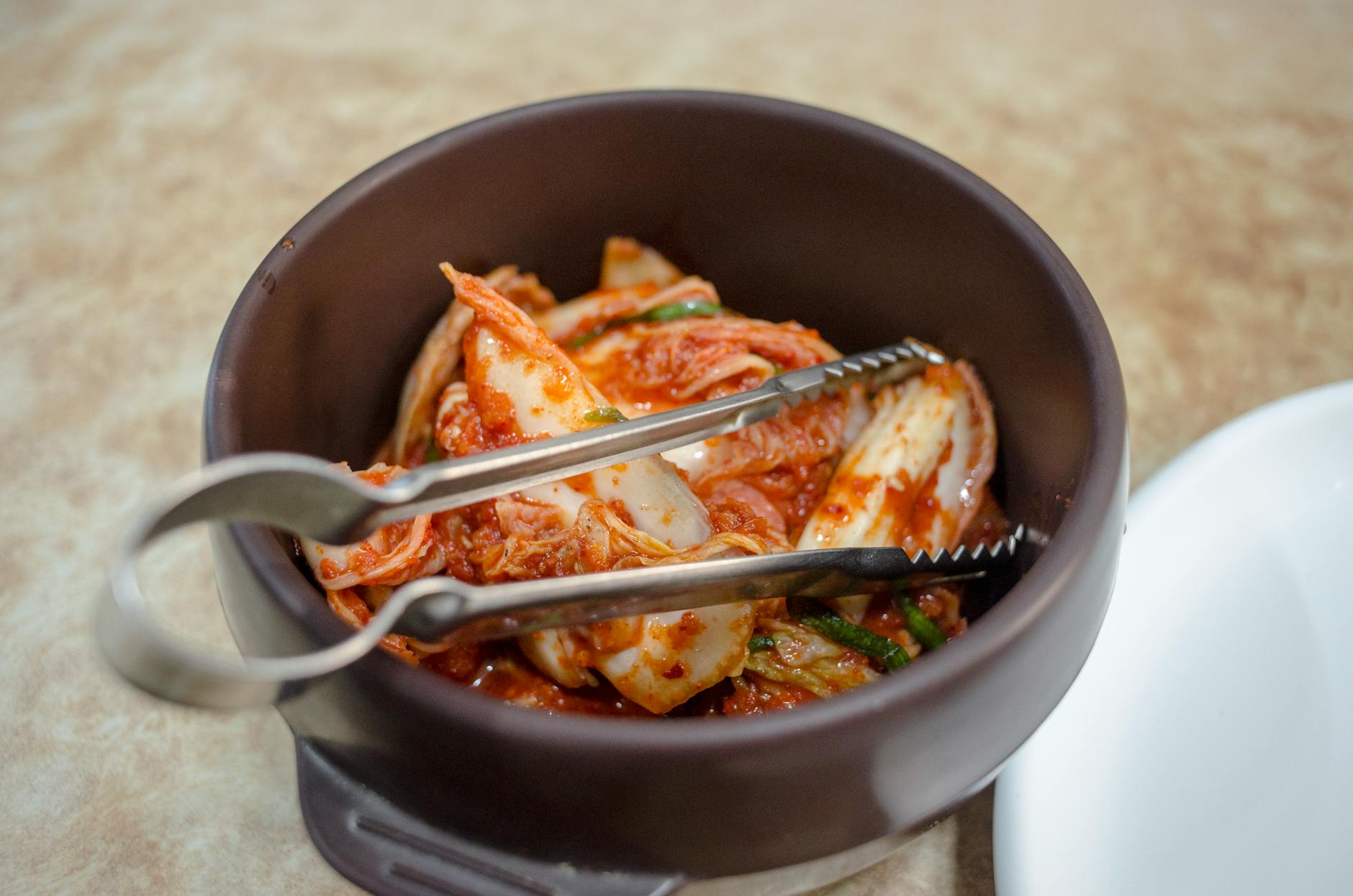
If sauerkraut doesn’t appeal to you, other fermented vegetables offer similar benefits: kimchi (fermented cabbage with spices), traditional pickles (fermented, not vinegar-based), miso, tempeh, and kefir all contain beneficial bacteria and post-fermentation compounds. Some people find it easier to consume fermented foods through naturally fermented beverages like kombucha, though the probiotic content varies significantly by brand and production method. A practical approach for brain health might look like this: add one to two tablespoons of raw sauerkraut or kimchi to one meal daily, incorporate one serving of miso soup weekly, and include other fermented foods as tolerated. This consistency matters more than sporadic consumption—building and maintaining a healthy microbiome requires ongoing bacterial inoculation.
Potential Risks and Populations Who Should Be Cautious
While fermented foods are beneficial for most people, certain populations need to be careful. Those with FODMAP sensitivities or irritable bowel syndrome may experience symptoms from fermented vegetables’ fiber and histamine content. Additionally, people taking blood thinners like warfarin should be aware that vitamin K content in sauerkraut (produced during fermentation) could theoretically interact with their medication, though the amounts in typical servings are usually not clinically significant—still, it warrants discussion with their doctor.
A lesser-known limitation: not everyone responds to probiotics the same way. A small percentage of people experience increased bacterial translocation or histamine intolerance from fermented foods. Those with severe dysbiosis may need to start with smaller amounts or consider working with a healthcare provider before increasing fermented food intake. Additionally, the Alzheimer’s risk reduction research is largely observational, meaning it shows correlation between fermented food consumption and lower risk, but cannot definitively prove causation in humans the way randomized controlled trials would.

Fermented Foods Versus Probiotic Supplements
The question often arises: are fermented foods better than probiotic supplements? Each has advantages. Fermented foods provide a broader array of bacterial species in addition to metabolites produced during fermentation, while supplements offer controlled doses of specific strains. For brain health specifically, the fermentation byproducts may matter as much as the bacteria themselves, which theoretically gives fermented foods an edge.
However, the bacterial species and CFU counts in fermented foods are inconsistent—homemade sauerkraut might contain beneficial bacteria or pathogenic species depending on fermentation conditions. Supplements offer consistency. For someone unable to tolerate fermented foods due to digestive issues, a probiotic supplement with clinically studied strains (such as Lactobacillus plantarum and Bifidobacterium strains) may provide clearer benefit. Many neurologists now recommend a combined approach: fermented foods for their broader benefits plus a targeted probiotic for specific strains linked to cognitive health.
The Future of Fermentation and Dementia Prevention
As neuroscience continues mapping the microbiome-cognition connection, we’re likely to see more specific recommendations about which bacterial strains offer the greatest brain protection. Research is underway identifying “psychobiotics”—bacteria that directly influence mood and cognition—which may eventually allow us to move beyond general “eat fermented foods” advice to more precise dietary prescription.
The encouraging news is that fermented food consumption offers benefits beyond dementia prevention: improved digestive health, enhanced immune function, and better cardiovascular health. For this reason, the recommendation to include raw fermented vegetables in your diet is sound advice for overall brain and body health, regardless of whether you’re personally concerned about Alzheimer’s risk. The 45 percent reduction cited in research should be understood as one piece of a larger cognitive protection strategy that also includes physical exercise, cognitive engagement, quality sleep, and stress management.
Conclusion
The research linking sauerkraut and fermented foods to lower Alzheimer’s risk is genuine but represents one piece of a larger puzzle about how diet influences brain health. The mechanism—improved gut health leading to reduced neuroinflammation—is biologically sound and backed by multiple lines of evidence. However, fermented vegetables alone won’t prevent dementia; they work best as part of a comprehensive approach to brain health.
For practical application, focus on consuming raw (unpasteurized) fermented foods regularly, start with small amounts if you’re new to them, and remember that consistency matters more than quantity. If fermented vegetables trigger digestive symptoms or you have specific medical conditions, consult with your healthcare provider about alternatives. Whether you’re looking to reduce your own cognitive decline risk or supporting a family member’s brain health, this dietary strategy offers an evidence-based, affordable, and accessible starting point.
Frequently Asked Questions
How much sauerkraut should I eat daily for Alzheimer’s prevention?
Research suggests one to three tablespoons daily provides microbiome benefits. Some studies show benefits up to one cup daily, but introduce fermented foods gradually to avoid digestive upset. Consistency matters more than quantity.
Does cooked or canned sauerkraut have the same benefits?
No. Heat pasteurization kills the beneficial bacteria, removing the probiotic benefit. Look for “raw” or “unpasteurized” sauerkraut in the refrigerated section of stores to ensure you’re getting live cultures.
Can fermented foods replace medical treatment for Alzheimer’s?
No. Fermented foods are a preventive dietary strategy, not a treatment. If you or a loved one has Alzheimer’s diagnosis, fermented foods should complement—not replace—medical care prescribed by a neurologist.
What if I don’t like sauerkraut?
Other fermented options work similarly: kimchi, naturally fermented pickles, miso, tempeh, kefir, and kombucha all contain beneficial bacteria. Find the fermented food that appeals to you and stick with it.
Are probiotic supplements better than fermented foods?
Each has advantages. Fermented foods offer diverse bacteria and fermentation byproducts; supplements offer consistency and specific strains. Consider combining both approaches or choosing based on what your digestive system tolerates best.
Can fermented foods interact with medications?
Possibly. Fermented vegetables contain vitamin K and histamines that could theoretically interact with blood thinners or trigger symptoms in sensitive individuals. Discuss fermented food consumption with your doctor, especially if taking medications like warfarin.
You Might Also Like
- whole grains Diet Linked to 48 Percent Lower Alzheimer’s Risk
- walnuts Diet Linked to 48 Percent Lower Alzheimer’s Risk
- turmeric Diet Linked to 25 Percent Lower Alzheimer’s Risk
For more, see Alzheimer’s Association — caregiving.