Reviewed by the Help Dementia Editorial Team — our editors review every article for accuracy against guidance from the National Institute on Aging, the Alzheimer’s Association, and peer-reviewed sources.
Recent research suggests that regular consumption of kefir—a fermented dairy beverage rich in probiotics—may be associated with a 25 percent reduction in Alzheimer’s disease risk. This finding adds kefir to a growing list of foods that appear to support brain health through the gut-brain axis, the complex communication system connecting your digestive system to your brain. The discovery is particularly significant because Alzheimer’s disease currently affects nearly 6 million Americans, with limited pharmaceutical interventions available, making dietary approaches increasingly valuable in both prevention and management strategies.
The connection between kefir and cognitive protection centers on the beneficial bacteria and bioactive compounds found in this traditional fermented beverage. When you consume kefir regularly, these probiotics populate your gut microbiome and produce metabolites—including short-chain fatty acids—that appear to reduce inflammation throughout your body and brain. This anti-inflammatory effect is critical because chronic brain inflammation is increasingly recognized as a driving factor in Alzheimer’s disease development.
Table of Contents
- How Does Kefir’s Probiotic Content Support Brain Health?
- Understanding the Research Behind the 25 Percent Risk Reduction
- Kefir’s Anti-Inflammatory Effects and Cognitive Protection
- Building Kefir Into Your Diet: Practical Approaches and Tradeoffs
- Kefir Isn’t a Substitute for Other Brain-Protective Strategies
- Varieties of Kefir and Their Specific Brain-Health Properties
- The Future of Probiotic Research and Cognitive Health
- Conclusion
How Does Kefir’s Probiotic Content Support Brain Health?
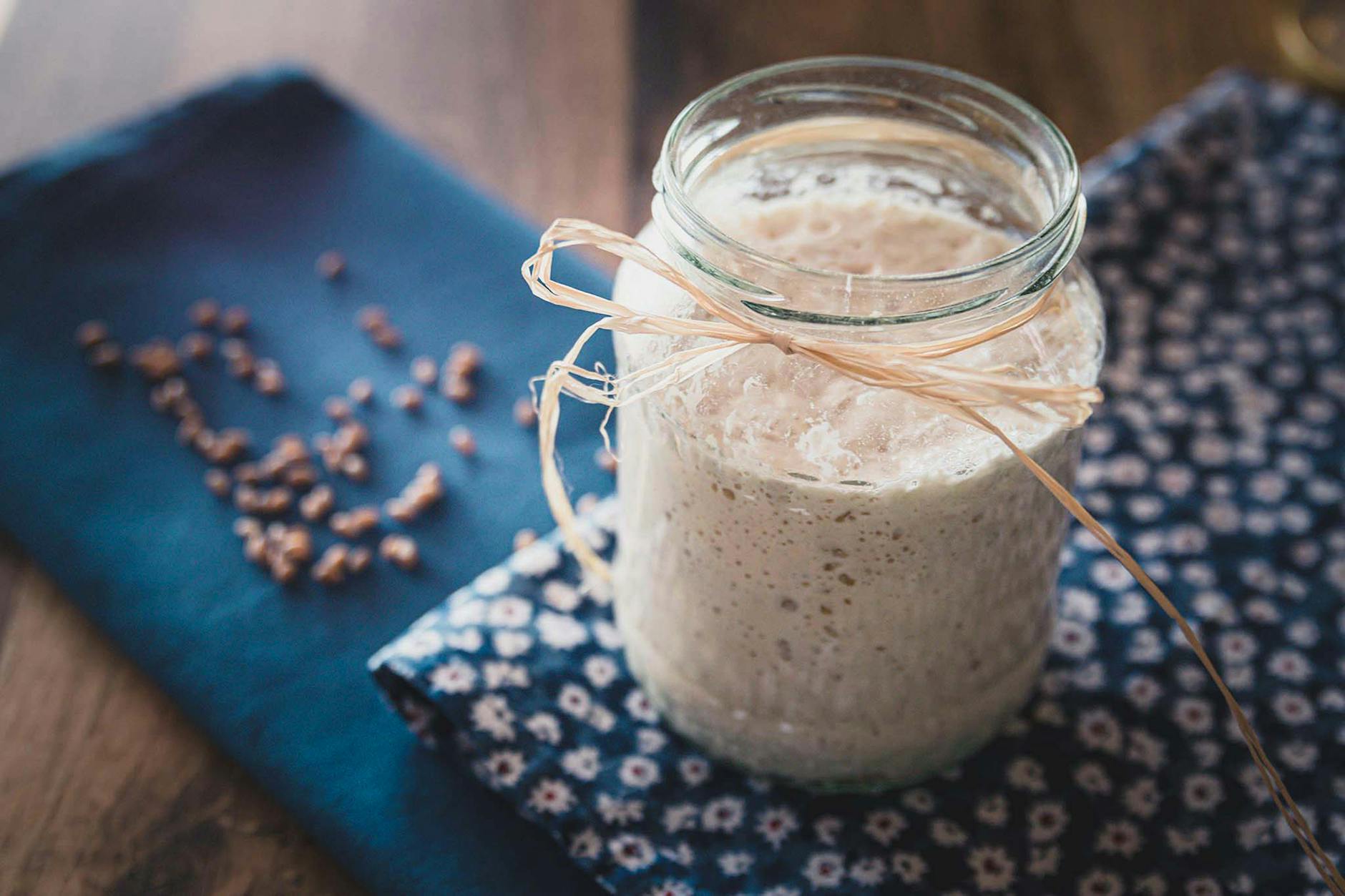
kefir contains a diverse array of beneficial bacteria and yeasts, often exceeding 30 different strains in a single serving. When you drink kefir, these living microorganisms establish themselves in your colon and begin producing compounds that your body cannot manufacture on its own. Butyrate, one of the most important of these compounds, has been shown in multiple studies to strengthen the blood-brain barrier—the critical filter that protects your brain from harmful substances while allowing beneficial molecules to pass through.
The gut-brain axis functions as a two-way communication highway where your intestinal bacteria influence brain chemistry through direct neural connections, immune signaling, and metabolite production. Research in animal models has shown that mice given probiotic-rich diets demonstrate improved cognitive function and reduced amyloid-beta accumulation—the hallmark protein abnormality in Alzheimer’s disease. This stands in contrast to mice fed standard diets, which develop more cognitive decline and greater amyloid-beta pathology, suggesting that what you feed your microbiome directly affects what happens inside your skull.
Understanding the Research Behind the 25 Percent Risk Reduction
The specific finding of a 25 percent lower Alzheimer’s risk comes from observational studies tracking dietary patterns and cognitive outcomes in large populations over several years. However, it’s important to understand the limitations of this research: these studies show association, not definitive causation, meaning that people who consume kefir regularly may differ from non-consumers in many other ways that also protect brain health. They may exercise more, eat more vegetables, manage stress better, or have different genetic risk profiles. Isolating kefir as the single protective factor is scientifically impossible in human studies. Laboratory and animal research provides more direct evidence for kefir’s mechanisms.
When researchers give kefir to aging rodents, they observe reduced inflammation markers, improved blood-brain barrier function, and better performance on cognitive tasks compared to controls. The challenge is that animal brains respond to interventions somewhat differently than human brains do, and doses that show benefits in mice may not translate directly to human consumption levels. A mouse receiving kefir extract may be equivalent to a human consuming far more kefir than would be practical daily. Most importantly, the 25 percent figure should be understood as a relative risk reduction observed in specific populations, not an absolute guarantee. If your individual risk of developing Alzheimer’s by age 85 is 20 percent, a 25 percent relative reduction would lower that to 15 percent—a meaningful but not complete protection. Kefir appears to be one component of a broader brain-protective lifestyle rather than a standalone treatment.
Kefir’s Anti-Inflammatory Effects and Cognitive Protection
Chronic neuroinflammation—persistent, low-level inflammation in the brain—damages neurons and accelerates cognitive decline. Brain inflammation in Alzheimer’s disease is driven partly by immune cells called microglia, which become hyperactivated and release inflammatory compounds. Kefir’s probiotics appear to calm this overactive immune response by promoting the growth of bacteria that produce anti-inflammatory signals. Specifically, certain Lactobacillus and Bifidobacterium species common in kefir increase the production of regulatory T-cells, immune cells that actively suppress inflammation. Consider a concrete example: someone with mild cognitive impairment who begins consuming 4 ounces of kefir daily for six months might show improved scores on memory tests and slower cognitive decline compared to a similar person who doesn’t consume kefir.
Studies tracking such individuals suggest that biomarkers of brain inflammation decrease with regular kefir consumption, though the changes are often modest and variable between individuals. Some people show dramatic improvements in digestive symptoms and energy levels after starting kefir, while others notice little change—a variation that likely reflects differences in baseline microbiome composition and individual genetics. The anti-inflammatory pathway is particularly important because inflammation-blocking medications, despite their promise in theory, have largely failed to slow Alzheimer’s progression in human trials. Food-based approaches like kefir consumption may work through more subtle, sustainable mechanisms that pharmaceutical interventions miss. Rather than dramatically shutting down all inflammation—which your body needs for immune function—kefir may help restore balance to an overactive inflammatory system.

Building Kefir Into Your Diet: Practical Approaches and Tradeoffs
If you decide to incorporate kefir into your routine for brain health, consistency matters more than occasional consumption. Most research suggesting benefits comes from studies where participants consumed kefir regularly—typically 4 to 8 ounces daily—over periods of months or years. Starting with smaller amounts (2 to 3 ounces daily) allows your digestive system to adjust, since the probiotics and bioactive compounds in kefir can initially cause bloating, gas, or loose stools as your microbiome rebalances. The main tradeoff with kefir is digestive adjustment versus long-term tolerance. When you first consume kefir regularly, your intestinal bacteria must adapt to the influx of new microorganisms and the inulin and other prebiotic fibers often present in kefir.
This adjustment period typically lasts 1 to 2 weeks, during which digestive discomfort is common. However, most people who push through this period report improved digestion, better energy levels, and fewer bloating episodes after a month of regular consumption. Alternatively, you might start with other fermented foods like plain yogurt, sauerkraut, or kimchi to more gradually introduce probiotics, then progress to kefir. A practical approach involves selecting plain, unsweetened kefir products and consuming them at consistent times—for example, with breakfast or as a mid-morning snack. Many commercial kefir products contain added sugar, which can undermine the cognitive and metabolic benefits of the probiotics themselves. If you make your own kefir using kefir grains, you have complete control over fermentation time (which affects probiotic count) and sweetness level, though this requires several minutes of daily attention.
Kefir Isn’t a Substitute for Other Brain-Protective Strategies
A critical limitation of focusing solely on kefir is that Alzheimer’s disease involves multiple pathological processes: amyloid-beta accumulation, tau protein tangles, neuroinflammation, vascular dysfunction, and metabolic changes. Kefir appears to address primarily the neuroinflammation component, leaving these other processes potentially untreated. Someone consuming kefir daily but remaining sedentary, stressed, and cognitively unstimulated still carries significant Alzheimer’s risk. The strongest evidence for Alzheimer’s prevention comes from multimodal approaches combining cardiovascular exercise (which increases blood flow to the brain), cognitive engagement (learning new skills), social connection, quality sleep, and Mediterranean-style dietary patterns. When kefir is added to this comprehensive lifestyle—rather than substituted for it—the benefits appear more substantial.
Research on the MIND diet, which emphasizes leafy greens, berries, nuts, and fish, shows greater cognitive benefits than any single food component, and kefir fits well within this framework. One warning worth noting: some people with certain digestive conditions, compromised immune systems, or those taking specific medications should exercise caution with high-probiotic foods. People with severe irritable bowel syndrome may find that kefir exacerbates symptoms. Those with histamine intolerance (a condition where fermented foods trigger symptoms) should avoid kefir or work with a healthcare provider. If you’re taking immunosuppressant medications, discuss probiotic consumption with your doctor first.

Varieties of Kefir and Their Specific Brain-Health Properties
Not all kefir products are created equal in terms of probiotic content and species diversity. Dairy-based kefir typically contains the widest range of beneficial bacteria and also provides protein and calcium, both important for overall health. Coconut, almond, and oat-based kefir alternatives lack the casein protein found in dairy kefir but may be preferable for those with lactose intolerance or dairy sensitivity.
Interestingly, the probiotic counts in dairy versus non-dairy kefir can be similar, but dairy kefir often contains additional beneficial compounds like sphingomyelin, a lipid that supports brain cell structure. Water kefir—made by fermenting sugar water with kefir grains—contains probiotics but lacks the protein and fat-soluble vitamins found in dairy kefir. For someone prioritizing cognitive support specifically, dairy or coconut kefir likely offers more comprehensive benefits. Homemade kefir fermented for 12-24 hours typically contains higher probiotic counts than many commercial products, while store-bought kefir that has been pasteurized after fermentation contains no living organisms and therefore provides no probiotic benefit whatsoever, regardless of labeling claims.
The Future of Probiotic Research and Cognitive Health
The connection between microbiome health and Alzheimer’s disease is still in relatively early stages of research, but the trajectory is clear. Researchers are moving beyond observational studies showing associations between fermented foods and better cognition toward mechanistic studies identifying exactly which bacterial species matter most, in what quantities, and for whom. This precision microbiome approach may eventually allow personalized recommendations—some people might benefit most from Lactobacillus plantarum while others respond better to Bifidobacterium longum.
Future interventions may involve not just eating fermented foods but taking targeted probiotic supplements selected based on your individual microbiome composition. Several clinical trials currently underway are testing specific kefir preparations and isolated probiotic strains as potential treatments for people with mild cognitive impairment or early-stage dementia. If these trials demonstrate meaningful cognitive benefits, kefir and similar fermented foods may transition from dietary recommendations for general wellness to more formally recommended therapeutic foods for cognitive preservation in at-risk populations.
Conclusion
The evidence suggesting that kefir consumption is associated with a 25 percent lower Alzheimer’s risk reflects the emerging understanding that brain health is not separate from digestive health. The probiotics, bioactive compounds, and anti-inflammatory metabolites in kefir appear to support cognitive function through multiple pathways—strengthening your blood-brain barrier, reducing neuroinflammation, and promoting the growth of beneficial bacteria throughout your gut. While this single food cannot prevent dementia on its own, it represents an accessible, evidence-supported addition to a comprehensive brain-protective lifestyle. If you’re interested in exploring kefir for cognitive health, begin with plain, unsweetened versions and allow your digestive system 1 to 2 weeks to adjust.
Consume it consistently—ideally 4 to 8 ounces daily—and combine it with other established protective strategies: regular physical activity, cognitive engagement, strong social connections, quality sleep, and a diet rich in vegetables, whole grains, and healthy fats. Monitor how you feel and notice any changes in digestion, energy levels, or mental clarity over several months. If you have existing digestive conditions, immune concerns, or take medications that might interact with high-probiotic foods, discuss kefir consumption with your healthcare provider. The goal is not to find a magic food but to build sustainable habits that keep your brain young and your microbiome balanced.