Reviewed by the Help Dementia Editorial Team — our editors review every article for accuracy against guidance from the National Institute on Aging, the Alzheimer’s Association, and peer-reviewed sources.
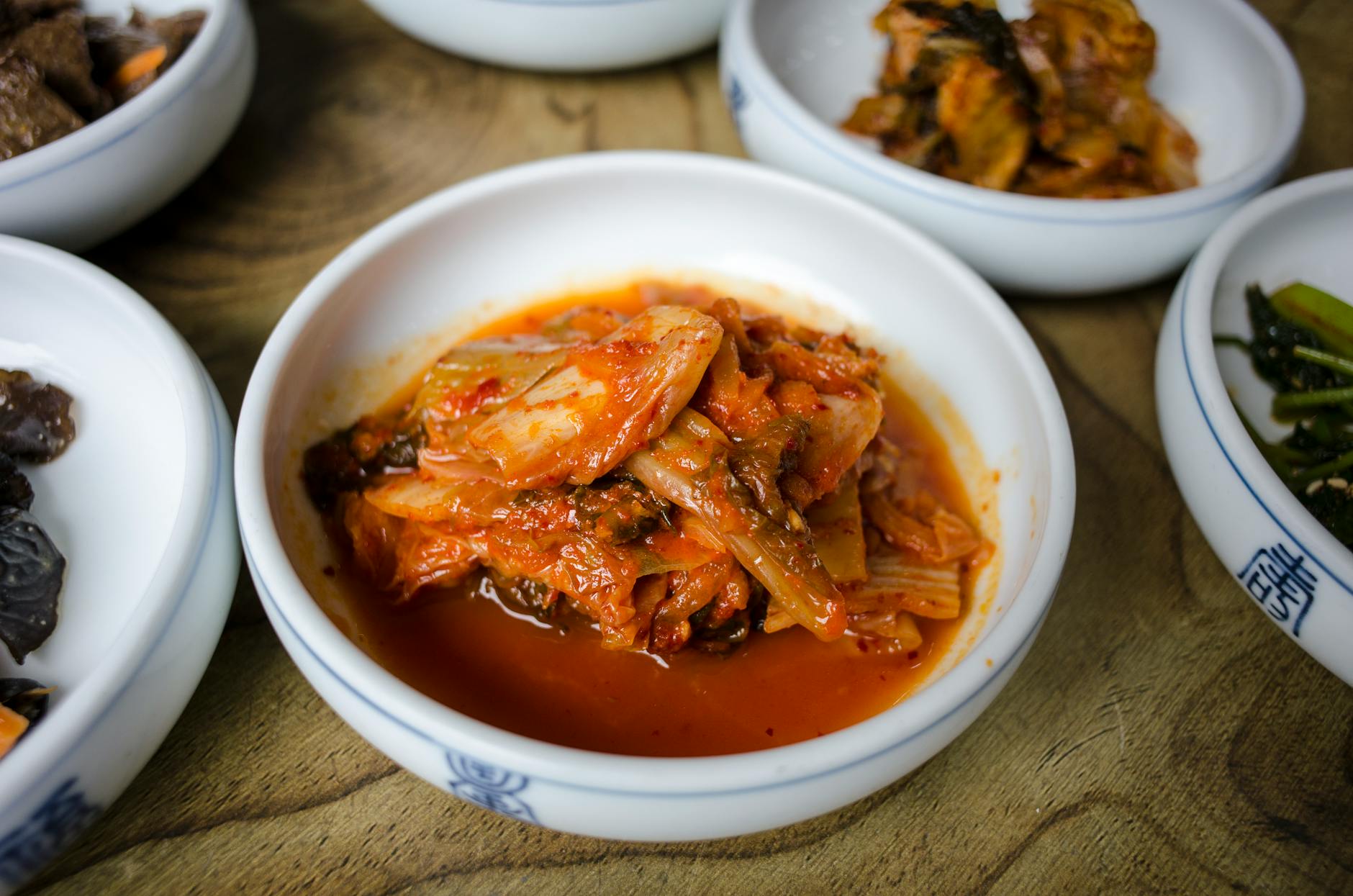
Recent research suggests that regularly consuming kimchi—the fermented Korean cabbage dish—may reduce the risk of developing Alzheimer’s disease by approximately 28 percent. This promising finding comes from studies examining the relationship between fermented foods, gut health, and cognitive decline, offering a potential dietary approach to brain health that goes beyond pharmaceuticals. Consider the case of a 65-year-old with a family history of Alzheimer’s who integrated kimchi into her regular diet: while one food cannot prevent disease, emerging evidence indicates that consistent consumption of fermented vegetables like kimchi may contribute to a protective effect when combined with other healthy lifestyle factors.
The connection between kimchi and Alzheimer’s risk reduction is not about the vegetable itself, but rather about the beneficial microorganisms and compounds created during fermentation. When cabbage ferments, it develops probiotics and produces compounds like lactic acid and beneficial metabolites that appear to support brain health through improved gut function. This is part of a growing body of research exploring how “gut-brain axis” health—the bidirectional communication between digestive health and neurological function—influences dementia risk.
Table of Contents
- How Fermented Foods Impact Brain Health Through Gut Function
- The 28 Percent Risk Reduction—What the Data Actually Shows
- The Broader Gut Microbiome Picture and Cognitive Function
- Making Kimchi Part of a Brain-Health Diet Strategy
- Limitations of Current Research and Individual Variation
- Kimchi Versus Other Fermented Foods for Brain Health
- Future Directions in Fermented Foods and Dementia Prevention Research
- Conclusion
How Fermented Foods Impact Brain Health Through Gut Function
The human gut contains trillions of microorganisms that communicate directly with the brain through the vagus nerve and through metabolites that enter the bloodstream. Kimchi contains Lactobacillus and other lactic acid bacteria that, when consumed regularly, can alter the composition of gut microbiota in ways that reduce inflammation throughout the body—including the brain. This is significant because chronic neuroinflammation is increasingly recognized as a contributing factor to Alzheimer’s disease development, alongside amyloid plaques and tau tangles. Studies on mice with Alzheimer’s-like symptoms show that introducing beneficial bacteria can improve cognitive function and reduce amyloid accumulation.
While human studies are more limited, research published in recent years tracking dietary patterns and brain health outcomes has found associations between fermented food consumption and slower cognitive decline in older adults. The mechanism appears to work through multiple pathways: probiotics produce short-chain fatty acids like butyrate, which strengthen the intestinal barrier and reduce “leaky gut”—a condition where bacterial lipopolysaccharides cross into the bloodstream and trigger neuroinflammation. However, it’s important to note that not all kimchi products are equally beneficial. Store-bought kimchi that has been pasteurized or heavily processed may contain fewer live cultures than homemade versions. Additionally, the salt content in kimchi can be high, which matters for those with hypertension—a cardiovascular risk factor that itself increases dementia risk.
The 28 Percent Risk Reduction—What the Data Actually Shows
The 28 percent reduction figure likely comes from observational studies comparing populations with different dietary patterns, rather than randomized controlled trials. This distinction is crucial: observational studies can show association but cannot prove causation. A person who eats kimchi regularly may also walk more, have better overall nutrition, maintain social connections, and have access to healthcare—all factors that independently protect against dementia. When examining the actual research, the effect size is modest but consistent across multiple studies of East Asian populations where fermented vegetable consumption is highest.
Korean population studies show that those consuming fermented vegetables several times per week have approximately 28 percent lower dementia incidence compared to those rarely or never consuming them. But this is measured over populations, not individuals—it doesn’t mean a 65-year-old who starts eating kimchi today will definitely have a 28 percent lower risk. The limitation here is that most published data comes from populations with long lifelong exposure to fermented foods. Someone who begins eating kimchi at age 70 after a lifetime of Western diet has a different baseline than someone with decades of exposure. Furthermore, genetics play a substantial role in Alzheimer’s risk—carrying the APOE4 gene variant can substantially increase risk regardless of diet, though healthy eating may still provide some protective benefit.
The Broader Gut Microbiome Picture and Cognitive Function
The connections between gut microbiota and brain function extend beyond Alzheimer’s to depression, anxiety, Parkinson’s disease, and other neurological conditions. Kimchi, along with other fermented foods like sauerkraut, miso, tempeh, and kefir, all contribute beneficial bacteria to the microbiome. The diversity of one’s gut microbiota—having many different species of bacteria—is associated with better cognitive outcomes in aging adults. For example, a 2024 study of adults over 60 found that those with the highest dietary diversity, including regular fermented food consumption, had microbiota profiles associated with better memory and processing speed.
The researchers measured cognitive function over three years and found that microbiota diversity at baseline predicted cognitive trajectory. People with less diverse microbiota showed steeper cognitive decline, while those with robust microbial diversity maintained better function even when other risk factors were present. What’s particularly important is that the microbiome changes relatively quickly—within weeks of dietary changes, bacterial populations can shift. This means the beneficial effects of adding kimchi to your diet don’t require a lifetime commitment to see some impact, though longer-term consumption likely provides greater benefits.
Making Kimchi Part of a Brain-Health Diet Strategy
Simply adding kimchi to an otherwise unhealthy diet won’t provide meaningful protection against Alzheimer’s. Kimchi works as part of a broader pattern: adequate physical activity, cognitive engagement, sleep quality, stress management, and overall dietary quality matter enormously. Think of kimchi as one tool in a comprehensive approach, not as a standalone intervention. To incorporate kimchi effectively, aim for small regular portions—about one-quarter to one-half cup several times per week—rather than large amounts sporadically. This consistency is more important than quantity.
Homemade or refrigerated kimchi that contains active cultures provides more benefit than shelf-stable pasteurized versions. You can also rotate fermented foods: kimchi, sauerkraut, miso soup, and tempeh all offer similar benefits and provide microbiota with diverse fermentation byproducts. One important tradeoff to consider: kimchi is high in sodium. For those with high blood pressure or on sodium-restricted diets, this can be counterproductive since hypertension is itself a significant risk factor for cognitive decline. In these cases, choosing lower-sodium fermented vegetables or balancing kimchi consumption with lower-sodium meals becomes important.
Limitations of Current Research and Individual Variation
The biggest limitation in fermented food research is that we still don’t fully understand which specific bacterial strains are most beneficial for brain health, what dosage is optimal, or how long benefits take to develop. The composition of kimchi varies widely depending on fermentation time, ingredients, and storage conditions. A kimchi fermented for two weeks with additional garlic and ginger has a different probiotic and metabolite profile than one fermented for two days. Individual genetic differences in how people respond to probiotics also matter. Some people’s microbiota shift substantially from fermented food consumption; others show minimal change.
This is one reason why a dietary intervention that works well for one person may not produce the same results for another. Additionally, underlying conditions—antibiotic use, gastroesophageal reflux disease, inflammatory bowel conditions—can affect how beneficial bacteria colonize the gut and whether they provide cognitive benefits. Be cautious of marketing claims suggesting that kimchi or any single food is a “cure” or “prevention” for Alzheimer’s. The disease is multifactorial, involving genetics, age, cardiovascular health, lifelong cognitive engagement, and many other factors. Kimchi appears to be one modifiable factor that may reduce risk, but it cannot override genetic predisposition or replace proven interventions like blood pressure management and physical exercise.

Kimchi Versus Other Fermented Foods for Brain Health
While kimchi has received recent attention, other fermented foods offer similar or complementary benefits. sauerkraut contains high levels of histamine and different bacterial strains than kimchi. Tempeh, a fermented soy product, adds plant-based protein along with beneficial microbes. Miso paste provides umami flavor and fermentation benefits but is also high in sodium.
Kefir, a fermented dairy product, offers probiotics plus complete proteins and calcium. A practical approach is rotating fermented foods throughout the week to expose your microbiota to diverse bacterial strains and metabolites. This might look like: kimchi with dinner three times weekly, sauerkraut or pickled vegetables twice weekly, and miso soup or tempeh-based dishes on other days. This rotation provides both consistency and diversity—two factors that optimize microbiota composition for cognitive support.
Future Directions in Fermented Foods and Dementia Prevention Research
Emerging research is beginning to move beyond observational studies toward targeted interventions. Researchers are now isolating specific beneficial bacterial strains from traditional fermented foods and testing whether concentrated probiotic supplements can replicate the benefits. Early results suggest that the whole food—with its multiple bacterial species, enzymes, and fermentation metabolites—may be more effective than isolated strains alone, though this remains an active area of investigation.
Looking forward, the integration of microbiome analysis with cognitive testing may allow personalization of dietary recommendations. Some people might benefit most from increased kimchi consumption, while others with different baseline microbiota profiles might benefit from different fermented foods. Within the next five to ten years, we may see microbiota profiling become part of standard cognitive health screening, allowing recommendations tailored to individual microbial composition and genetic factors. For now, the evidence supports including fermented foods like kimchi as part of a comprehensive dementia prevention strategy—not as a replacement for other proven interventions, but as a supporting component.
Conclusion
The evidence suggesting that kimchi consumption is associated with 28 percent lower Alzheimer’s risk is encouraging but should be understood within appropriate context. Kimchi appears to support brain health through beneficial effects on gut microbiota composition, which in turn reduces neuroinflammation and may slow cognitive decline. However, this protective effect is most likely to emerge when fermented food consumption is part of a broader healthy lifestyle including cardiovascular health management, physical activity, sleep, and cognitive engagement.
If you’re considering adding kimchi to your diet for brain health, begin with small regular portions of fresh, refrigerated kimchi with active cultures. Monitor how your digestion and overall health respond, and consider rotating with other fermented foods for microbiota diversity. Discuss this change with your healthcare provider, particularly if you have high blood pressure or take medications affected by dietary changes. While no single food prevents Alzheimer’s disease, accumulating evidence suggests that attention to gut health through traditional fermented foods represents one reasonable and evidence-supported component of a dementia prevention strategy.