Handmade birthday gifts can mean everything to families facing dementia because they turn affection and shared history into something tangible. Their value does not depend on the recipient remembering a name, date, or occasion. Dementia is cognitive loss severe enough to disrupt daily life, according to the National Institute on Aging's overview of dementia. Memory, language, recognition, and participation vary by person and stage, so the most meaningful gift meets the recipient where they are now.
Medical information disclaimer: This article is for general educational purposes only and does not provide medical advice, diagnosis, or treatment. Always consult a physician or other qualified health professional about symptoms, medications, tests, or treatment decisions.
Table of Contents
- What gives a handmade gift meaning?
- How should you choose what to make?
- How can you keep the birthday moment pressure-free?
- Why can the gift matter to the whole family?
- What can the evidence actually support?
What gives a handmade gift meaning?
A handmade gift says, "You still matter to me." It reflects time, attention, and knowledge of the person rather than the demands of the disease. The recipient may appreciate a familiar color, photograph, texture, or melody even without explaining its significance.
A gift can provide comfort or invite connection without requiring a particular verbal response. Meaning may also appear in small reactions: holding the object, smiling, relaxing, or looking closely. Recognition is not the only measure of whether the moment matters.
How should you choose what to make?
Start with the person's present abilities, preferences, and tolerance—not only who they were years ago. The NIA's guide to adapting enjoyable activities recommends building around remaining abilities and interests while avoiding frustration.
Possible gifts include: Ask a regular caregiver whether the size, texture, wording, and display location suit the recipient. If making the gift together, offer one manageable step and allow the person to watch instead of participate.
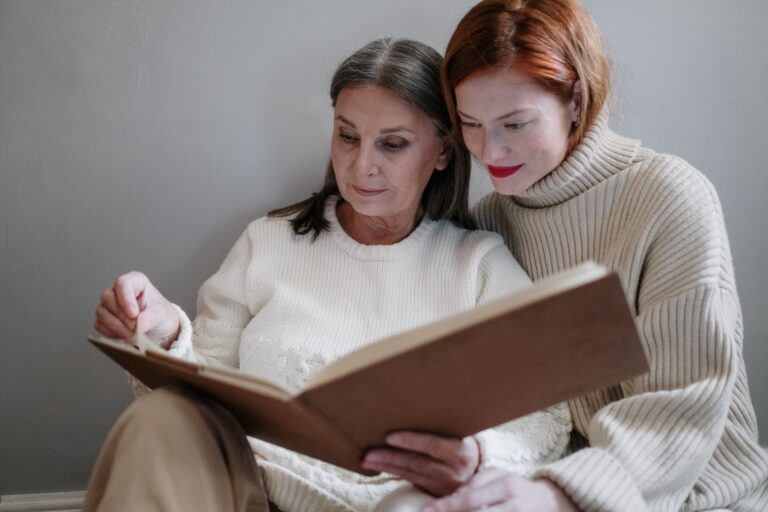
- A small photo book with one clearly labeled image per page
- A soft blanket or cushion in a favorite color
- A decorated box containing a few familiar pictures or objects
- A short handwritten note using simple, affectionate language
- A recording or homemade song list connected to familiar music
How can you keep the birthday moment pressure-free?
Present the gift as an invitation, not a memory test. Instead of asking, "Do you remember who this is?" say, "This is your sister, Anna. You both loved visiting the lake." Avoid correcting an unexpected response or repeatedly asking for recognition. The NIA notes that being pushed to remember can contribute to distress.
Supply names and context gently, then let the recipient respond in their own way. Keep the exchange calm and brief if attention is limited. Use a warm voice, make eye contact, and notice nonverbal reactions. If the person becomes tired or frustrated, set the gift nearby and return to it another time.
Why can the gift matter to the whole family?
Dementia often becomes a long family experience rather than a single medical event. The CDC reports that more than 11 million U.S. adults provide unpaid dementia care, with many providing care at home for years. A handmade gift can recognize the continuing relationship beneath daily care tasks.
It may give relatives a gentle way to express affection when ordinary conversation has become difficult. The object can also help visitors and caregivers begin a shared activity. Someone might turn through two photo-book pages, read the note aloud, or sit quietly while the recipient holds the gift. The goal is companionship, not a perfect response.
What can the evidence actually support?
Research supports cautious optimism about creative engagement, but it does not prove that a single handmade gift improves dementia symptoms. A 2023 review in Ageing Research Reviews found that 30 of 34 arts and cultural intervention studies reported improved wellbeing. Five randomized trials improved wellbeing but generally did not improve cognition.
Those studies examined structured programs, not birthday presents. A handmade gift should not be presented as treatment, expected to restore memory, or judged by whether the recipient remembers receiving it later. Choose one familiar detail, add a short label or note, and offer the gift without asking the recipient to prove what they remember.