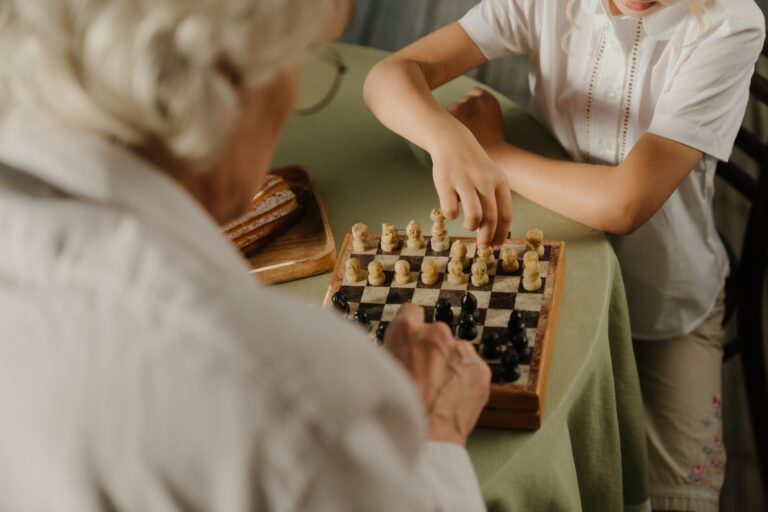
Baby books can mean everything to families facing dementia because they preserve names, relationships, and stories that illness may make harder to retrieve or express. A baby book—a family keepsake recording early milestones—can also offer familiar prompts for conversation and connection. It is not a treatment, prevention method, or diagnostic tool. Its value is personal: it helps relatives hold onto a shared history while adapting to changes in memory and communication.
Medical information disclaimer: This article is for general educational purposes only and does not provide medical advice, diagnosis, or treatment. Always consult a physician or other qualified health professional about symptoms, medications, tests, or treatment decisions.
Table of Contents
- What can a baby book preserve?
- How is it different from a life-story book?
- How can families use one well?
- What does the evidence actually show?
- How can families protect and expand the record?
What can a baby book preserve?
Dementia is an umbrella term for progressive conditions affecting memory and thinking. Alzheimer's is its most common type, according to the National Institute on Aging. As these abilities change, a baby book can supply details that otherwise depend on someone's memory.
Birthplaces, relatives' names, childhood homes, pets, celebrations, and handwritten notes can help families understand the person beyond the disease. The book may also help younger relatives learn stories they never heard. For caregivers, one small detail—such as the name of a childhood friend—can open a more personal conversation.
How is it different from a life-story book?
Researchers more often study life-story books than baby books. A life-story book combines photos, text, stories, and memorabilia from a person's past and present, often with contributions from that person and family, as described in a 2023 systematic review. A baby book covers a narrower period and usually was not created for dementia care.
Still, it can become source material for a broader life-story book that includes adulthood, work, friendships, interests, and recent experiences. Families might copy one childhood photograph, add a short caption, and place it beside later pictures. This creates a simple timeline without risking damage to the original keepsake.
How can families use one well?
Alzheimer's can make word-finding, comprehension, attention, and organizing conversation more difficult. Familiar photographs and family facts can provide a starting point when spontaneous conversation is hard. Treat the book as an invitation, not a memory test: The National Institute on Aging offers additional guidance for communicating with someone who has Alzheimer's.
- Sit where both people can see the page comfortably.
- Choose one clear photograph or short entry at a time.
- Begin with an observation, such as, "You're wearing a bright coat here."
- Allow time for a response without demanding names or dates.
- Accept the conversation that follows, even if it moves away from the page.
What does the evidence actually show?
Evidence for life-story books is promising but limited. A systematic review found that they commonly supported reminiscence and personalized care, but many studies were small pilot or single-case projects without strong proof of effectiveness, according to the Oxford and University of Twente review. A preliminary randomized trial involving 23 care-home residents also found no quality-of-life difference between groups six weeks after they received different kinds of life-story books.
A book may create a meaningful moment without producing a measurable or lasting clinical improvement. Families should therefore judge success modestly. A shared smile, a new story, or a calmer conversation can matter, but those experiences do not establish that the book changes dementia's course.
How can families protect and expand the record?
Photograph or scan fragile pages before using the book regularly. Keep the original safely stored and use a copy for visits, especially if several relatives or caregivers need access. Add short, readable captions only when the information is reasonably certain.
Mark guesses as guesses, and ask the person for input when possible. Leave sensitive family information out of copies that will circulate beyond trusted relatives. Do not buy any product because it promises to treat, reverse, or prevent Alzheimer's through reminiscence or keepsakes. The FDA warns against unproven Alzheimer's-treatment claims; a baby book needs no approval, prescription, or eligibility check because it is an ordinary family record, not medicine.