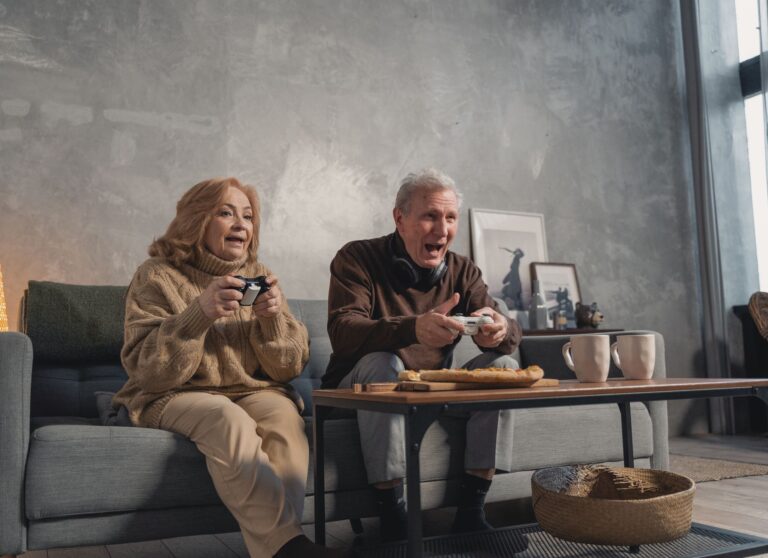
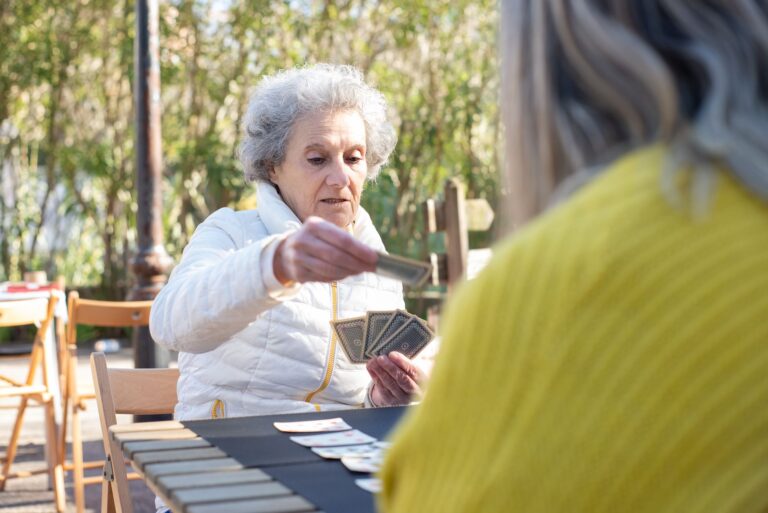
Caregivers point to mobile versions of familiar puzzles, cards, crosswords, bingo and chess-style games adapted to ability. They value these familiar types for enjoyment, mental stimulation and social time, not specific commercial brain-training brands.
Brain health here means memory, thinking and daily functioning. Caregiver reports focus on quality of daily life during early-to-moderate dementia, a stage when symptoms interfere but some independence remains. The practical goal is engagement and connection, not proven prevention.
Medical information disclaimer: This article is for general educational purposes only and does not provide medical advice, diagnosis, or treatment. Always consult a physician or other qualified health professional about symptoms, medications, tests, or treatment decisions.
Table of Contents
- What caregivers see during group play
- Why adults over 50 already play
- Where brain-training claims fall short
- How to choose a mobile game to try
What caregivers see during group play
Family caregivers in a program for early-to-moderate dementia said digital play gave enjoyment, stimulation and social contact, BMC Geriatrics reported in the digital-gaming study. Sessions were structured and social, not solo drills. Caregivers noticed mood and interaction during play.
Sharecare caregiver guidance, citing National Institute on Aging sources, lists board games, card games and building puzzles that exercise the brain and encourage purpose. Mobile versions work the same way when they copy familiar rules. Familiar rules lower frustration and invite talk.
Why adults over 50 already play
AARP surveyed 2,550 adults age 50-plus, including 1,014 gamers, in its 2026 Play on Purpose survey. It found 73% play to keep minds sharp and 75% to relax and decompress, as detailed in the AARP gaming survey. Sharpness and stress relief top the list, not competition or high scores. That motive matches caregiver goals for calm, pleasant time together.
A game that relaxes and invites conversation fits both needs. In the Lothian Birth Cohort of 1,091 adults, frequent card, chess, bingo or crossword players had better memory scores. They also showed slightly less decline from ages 70 to 79. SharpBrains summarized the University of Edinburgh work by Altschul and Deary.
Where brain-training claims fall short
The AARP-convened Global Council on Brain Health reviewed commercial brain games. It concluded evidence for lasting benefit is weak to non-existent, stated in the brain-health recommendations. Age UK explained that repeated play improves game skill with little gain in general thinking. The Federal Trade Commission charged Lumosity maker Lumos Labs over unfounded claims about work, school and delayed impairment.
Lumos Labs paid $2 million to settle in 2016. For caregivers, the warning is clear. Better scores on one app do not mean better memory at home. Choose for mood, talk and time together.
How to choose a mobile game to try
Sharecare AskMD caregiver guidance lists familiar puzzles, cards and crosswords adapted to ability, described in the caregiver-activity guide. It frames multiplayer mobile equivalents as tools for engagement and social time, not proven dementia prevention.
Start with large text and simple controls, then adjust to ability. Keep the version that sparks talk and laughter and drop one that causes frustration.
- Pick one familiar type the person already knows.
- Play together and keep sessions short.
- Simplify sound, controls and difficulty for comfort.