Free printable games that help caregivers include reading-based puzzles, sorting playing cards by suit or number, and adult coloring pages. These low-pressure options fit into daily care alongside meals, exercise, and social time.
Dementia means memory and thinking loss that makes daily tasks harder. Caregivers can print materials at home and adjust difficulty as needs change. The goal is calm engagement, not testing memory.
Medical information disclaimer: This article is for general educational purposes only and does not provide medical advice, diagnosis, or treatment. Always consult a physician or other qualified health professional about symptoms, medications, tests, or treatment decisions.
Table of Contents
- Why add puzzles to the daily routine?
- Which sorting games work with printouts?
- Where to find free coloring pages?
- What can these activities realistically do?
Why add puzzles to the daily routine?
The Alzheimer's Association includes intellectual activities such as reading and puzzles in its daily care plan checklist alongside meals, exercise, and social time. That placement matters because a checklist turns a nice idea into a repeated habit. Print one puzzle type at a time to avoid clutter.
The Alzheimer's Association says meaningful activities in middle-stage dementia can enhance quality of life and reduce behaviors such as wandering and agitation. Middle stage means symptoms are more obvious and supervision needs grow. A short morning puzzle can settle the day before harder tasks.
Which sorting games work with printouts?
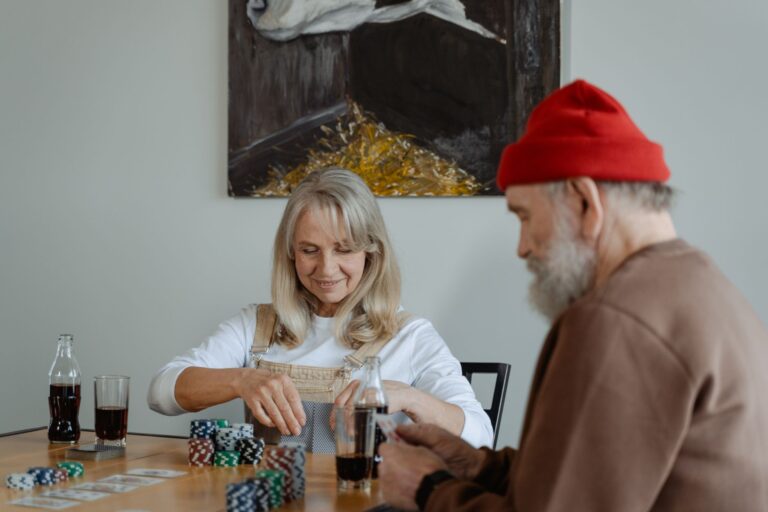
The Alzheimer Society of Nova Scotia advises caregivers to adjust activities as dementia progresses in its guide to meaningful activities. Sorting playing cards by suit or number is a strong printable-friendly example. Laundry sorting by colour or size and reorganizing drawers use the same matching skill. Use large print and familiar decks to reduce frustration.
Start easy, then change one rule at a time. The Society also points caregivers to customizable puzzles such as Jigidi for photo-based puzzles, Jigzone for choosing piece count, and Solitr for solitaire. Use those settings to match interests and ability. Print the chosen photo first when screen time causes strain.
- Print a suit-sorting sheet or use one deck with large faces.
- Ask for red versus black, then suits, then numbers.
- Switch to folding towels or matching socks when cards tire.
Where to find free coloring pages?
The Alzheimer Society of Nova Scotia identifies downloadable Crayola pages for adult coloring as a calm at-home activity. Crayola itself maintains a free printable library with a dedicated Adult Coloring section in its free coloring library. Caregivers can print favorites without cost.
Choose simple outlines with thick lines and familiar subjects. Offer a small set of crayons to limit choices. Sit nearby and color your own page to model calm pace.
What can these activities realistically do?
The Alzheimer's Association summarized an AAIC 2021 study in its August 2021 e-news summary on reading, letters, cards, and puzzles. It linked those habits with up to five years later Alzheimer's onset. The same report cautions that results do not prove mental activity prevents dementia.
Watch for fatigue, frustration, or refusal and stop early. Short success builds willingness to try again tomorrow. Keep printed favorites in a folder for easy repeat use.