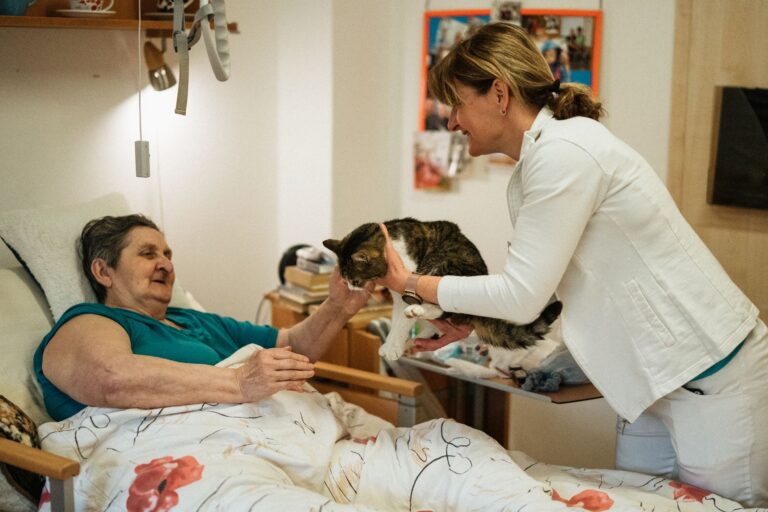
Caregivers point most often to Memory Lane Games for mood, engagement, and conversation. AARP Staying Sharp pattern-match and brain-teaser challenges are another regular option for mental activity.
Reminiscence trivia means questions and photos that prompt memories from earlier life. Families and professional carers use this format to spark talk with people living with Alzheimer's, dementia, or cognitive decline. Tracking tools serve a separate job: recording possible change for a clinician visit.
Medical information disclaimer: This article is for general educational purposes only and does not provide medical advice, diagnosis, or treatment. Always consult a physician or other qualified health professional about symptoms, medications, tests, or treatment decisions.
Table of Contents
- What are caregivers actually using?
- How can you fit games into daily care?
- Can games track change or improve scores?
- What should you not expect?
What are caregivers actually using?
Memory Lane Games reports a clinical trial of regular use with clear caregiver results. Caregivers said 92% felt more relaxed, 67% felt happier, 58% saw better communication, and 83% said the person laughed in the Memory Lane Games trial report.
The product is described as used by families and professional caregivers worldwide. It offers reminiscence trivia and memory games built for Alzheimer's, dementia, and cognitive decline.
How can you fit games into daily care?
Use short, calm sessions at the same time each day. Pick familiar topics, stop before fatigue, and let the person answer without correction.
Try this simple routine: Keep play social rather than testing. Praise effort and laughter, not score.
- Offer one Memory Lane Games round focused on a known interest.
- Follow with one AARP Staying Sharp pattern-match or brain-teaser challenge.
- Note mood, talk, and enjoyment to share with other carers or a clinician.
Can games track change or improve scores?
Dementia Australia offers BrainTrack as a free Apple and Android app for private monitoring. It helps users follow cognition changes over time and start a GP conversation. Deakin University researchers describe travel-themed checks refreshed monthly with a shareable spider-graph report, but the tool does not replace formal cognitive assessment in the Deakin University BrainTrack report.
University of Cambridge researchers found Game Show cut errors by about one-third and raised episodic-memory scores by about 40% in the University of Cambridge trial summary. In a 17-person study of mild cognitive impairment, four weeks of a narrative mobile game improved frontal-function scores. It also improved Digit Symbol Coding and phonemic fluency, with 122% adherence. About half the caregivers hoped play would continue and six noticed cognitive improvement.
What should you not expect?
The U.S. Federal Trade Commission charged Lumosity-maker Lumos Labs over brain-training ads without adequate science. The agency said the ads claimed better work and school performance and delayed age-related or disease-linked impairment in the Federal Trade Commission settlement notice.
Lumos Labs agreed to pay $2 million toward a $50 million suspended judgment to settle. Treat games as engagement and mood support, not treatment. Bring any BrainTrack change or lasting concern to a GP with dated notes.