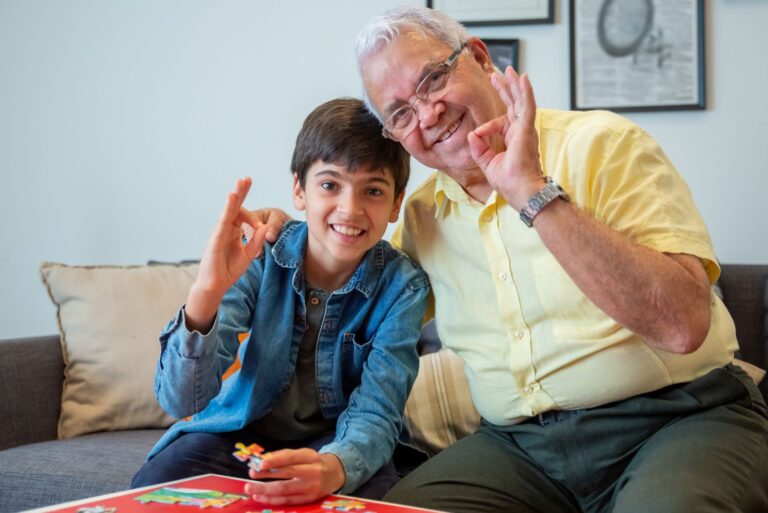
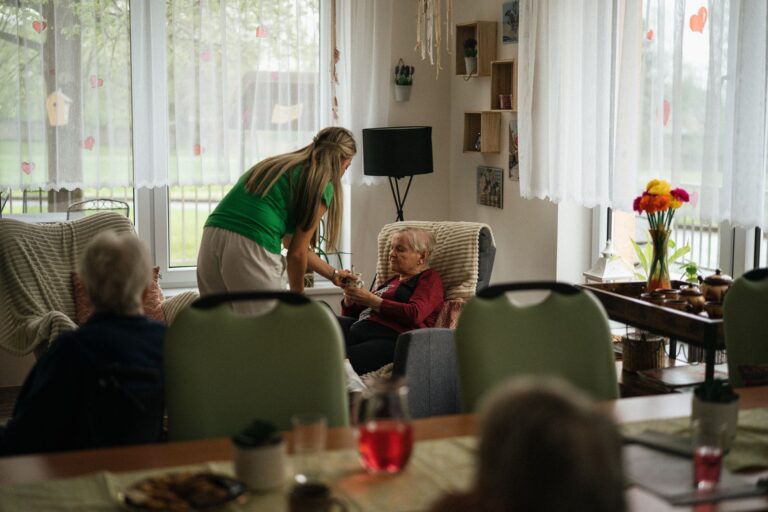
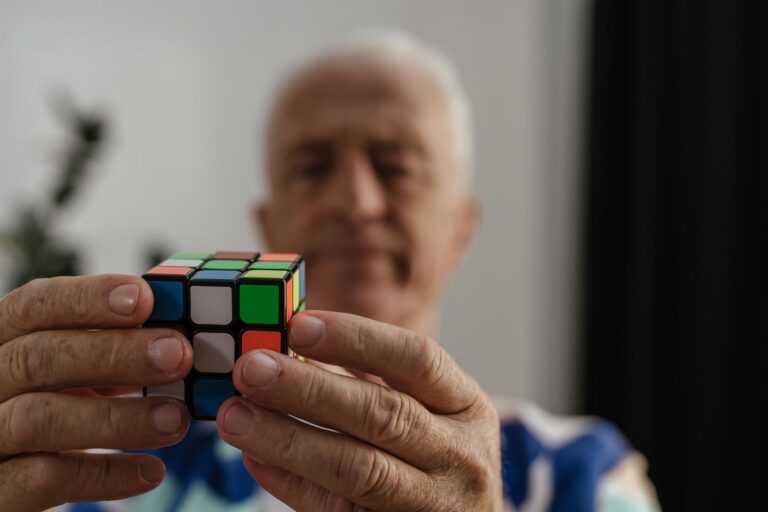
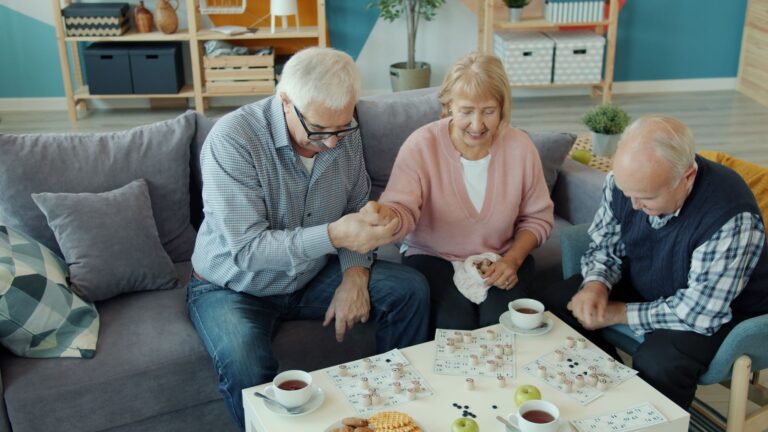
Dominoes, simple card games, jigsaw puzzles, matching games, word association and adapted trivia help include relatives with memory loss. Memory care games mean short, low-pressure play that prompts thinking and conversation, plus songs and shared holiday tasks that invite participation. Holiday visits work best when play favors togetherness over winning. Short turns, familiar rules and flexible teams keep everyone comfortable.
Medical information disclaimer: This article is for general educational purposes only and does not provide medical advice, diagnosis, or treatment. Always consult a physician or other qualified health professional about symptoms, medications, tests, or treatment decisions.
Table of Contents
- Which tabletop games work best?
- How do songs and old stories include everyone?
- How should you shape the day for success?
- What can games realistically do?
Which tabletop games work best?
SIU Medicine reports simple group games stimulate thinking and encourage social engagement during holiday visits, as described in its adapted activities guidance. Good choices include dominoes, easy card games, large-piece jigsaw puzzles, matching games, word association and adapted trivia. Let players team up, keep score optional and allow extra time for each turn.
Dementia UK points to familiar Christmas play such as charades, Scrabble, Monopoly, battleships, chess and draughts. Use the versions your relative already knows and simplify rules rather than teaching a new game. Large cards, high-contrast pieces and a quiet table help hands and eyes follow along.
How do songs and old stories include everyone?
Being Patient describes guided memory lane talks about past holidays and cherished life moments. These talks draw on relatively preserved remote memories to comfort and include loved ones with Alzheimer's and other dementias.
Ask one open question at a time and let photos or ornaments prompt answers. The Alzheimer's Association lists singing old holiday songs, listening to favorites and playing piano or guitar together as meaningful traditions. Keep music familiar and volume low, then pause for humming or clapping.
How should you shape the day for success?
The National Institute on Aging encourages safe, manageable holiday preparation with direction and purpose. Invite your relative to decorate, stir batter, wrap packages, set the table or make greeting cards.
Keep the group small, plan demanding play for the morning and watch for tiredness. Try these steady steps: The National Institute on Aging recommends a quiet recharge room with calming music or a favorite activity in its guidance on adapting activities for Alzheimer's caregiving. Early scheduling plus that calm space reduces overstimulation, fatigue and late-day confusion.
- Offer one activity at a time in a low-noise corner.
- Keep visits short and allow breaks between games.
- Keep a familiar blanket, drink or playlist nearby for comfort.
What can games realistically do?
BBC Science Focus reports a French cohort of 3,675 adults age 65 and older. Board-game players had about 15 percent lower dementia risk than non-players after adjustment, as detailed in its report on board games and brain health. The finding supports regular tabletop play as cognitively protective for older adults.
Healthline notes brain-stimulating games may support memory, reasoning and communication in dementia, but evidence is mixed, as explained in its review of memory games for dementia. Treat games as engagement and quality-of-life support, not a guaranteed treatment or prevention. Pick one familiar game for the morning and keep the quiet room open all day.