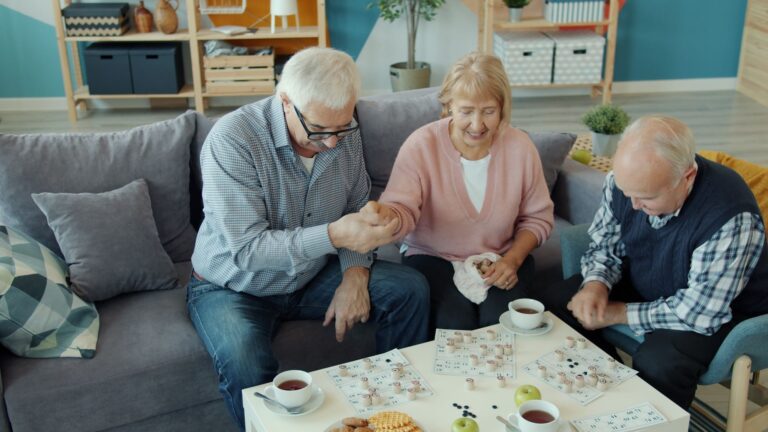
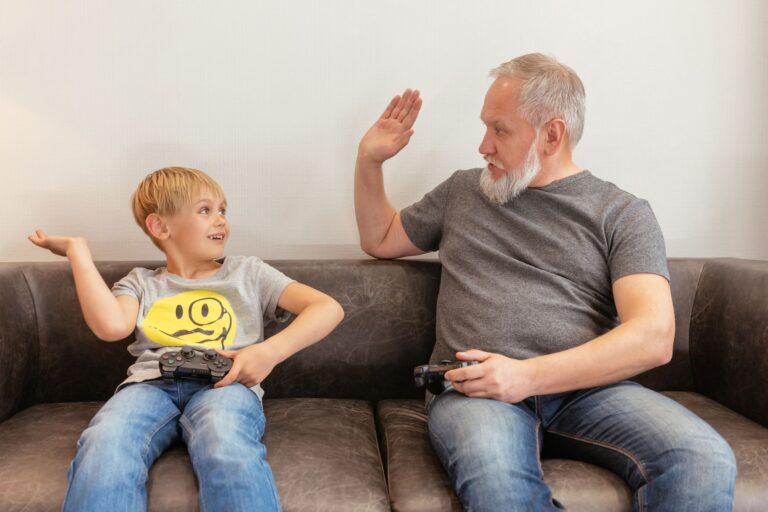
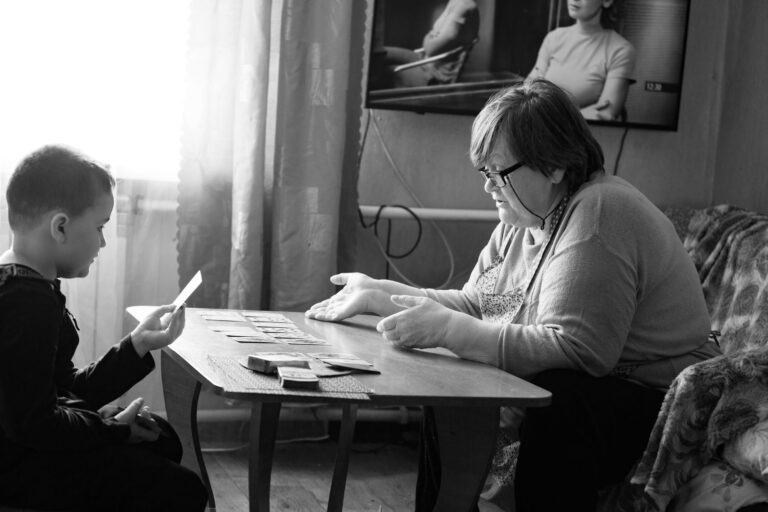
Yes, regular board game nights can reduce isolation for caregivers and loved ones. They create repeated, low-pressure time together built around play rather than small talk.
Isolation means having few regular contacts. Loneliness is feeling disconnected even when people are near. For dementia care pairs, both can grow as outings shrink and conversation gets harder.
Medical information disclaimer: This article is for general educational purposes only and does not provide medical advice, diagnosis, or treatment. Always consult a physician or other qualified health professional about symptoms, medications, tests, or treatment decisions.
Table of Contents
- What older-adult studies found
- Why dementia caregiving raises isolation risk
- Why structured games help conversation
- How to run a calm game night
What older-adult studies found
Bar-Ilan University researchers ran 12 weekly small-group Kioku storytelling sessions for 151 adults averaging age 75 in seven community centers in summer 2022. The game group lowered loneliness scores and improved well-being versus waitlist, according to the Kioku pilot report. That result comes from a small, place-bound pilot, not a large caregiver-specific trial.
Effects for caregiving pairs are therefore inferred rather than proven direct. Still, the pattern is practical: brief, repeated group play improved connection. Well-being rose alongside lower loneliness. That pairing matters because care routines often protect safety while leaving mood and contact thin.
Why dementia caregiving raises isolation risk
Caregiving narrows free time, travel, and spontaneous visits. UCLA Center for Health Policy Research analysis of the 2020 California survey found about 15% of older caregivers felt lonely, with dementia care raising that risk, described in the UCLA caregiver loneliness analysis. The strain affects both sides of the care pair.
An analysis of 2,174 caregivers estimated 2.8 million U.S. caregivers are isolated and 6.3 million feel lonely, reported by the Tenovi caregiver isolation summary. Fewer visitors, changing behavior, and fatigue can make each week feel similar. A fixed game night adds one predictable social anchor.
Why structured games help conversation
Unstructured visits can stall when memory, word-finding, or attention change. Turns, cards, and clear roles carry the interaction forward. University of Plymouth researchers studying Dixit, Werewolf, and Dungeons and Dragons found modern tabletop games offered a structured outlet that aided confidence and real-life engagement, noted in the Plymouth games and social connection report. Cooperative games work well because players solve together.
Matching pictures, telling short stories from cards, or building a simple pattern keeps focus shared. No one must perform, remember rules perfectly, or fill silence. Short rounds also permit stopping early. Success is finishing one round pleasantly, not playing correctly for an hour.
How to run a calm game night
Pick one cooperative or storytelling game with large pieces and short turns. Keep sessions to 20 to 40 minutes at the same weekly time.
Invite one steady guest when possible, such as family, a friend, or a respite volunteer. Repeat the same game for several weeks before trying another. Familiar play lowers setup stress and lets the loved one join faster.
- Choose easy wins: picture matching, simple card storytelling, dominoes, or cooperative puzzles
- Simplify rules: play open-handed, allow hints, drop scoring
- Adjust the setting: bright light, low noise, water nearby, phone silent
- Watch energy: stop while it is still pleasant and note what worked