Yes, jigsaw puzzles are a good brain-health activity for caregivers as personal downtime and calm shared time. They give mental stimulation and stress relief, but they do not prevent cognitive impairment or Alzheimer's disease.
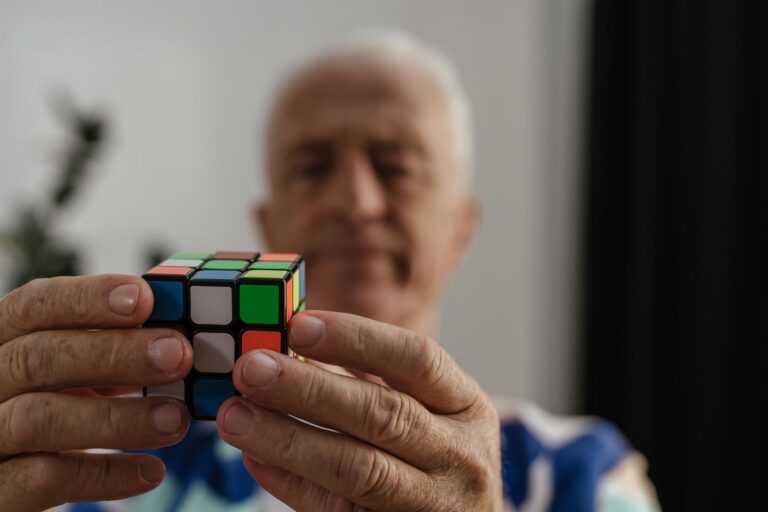
Visuospatial cognition means seeing shapes, turning pieces in the mind, and remembering locations. Puzzles use those same skills. That overlap helps explain the link between puzzling and test scores.
Medical information disclaimer: This article is for general educational purposes only and does not provide medical advice, diagnosis, or treatment. Always consult a physician or other qualified health professional about symptoms, medications, tests, or treatment decisions.
Table of Contents
- What does puzzle research show?
- Will puzzles keep your brain sharp?
- How can puzzles help caregiver health?
- How can you puzzle together with dementia?
What does puzzle research show?
In 100 healthy adults age 50 and older, faster puzzle skill tracked closely with better visuospatial thinking across perception, rotation, memory, reasoning, and flexibility. The correlation was r=0.80, reported by Frontiers in Aging Neuroscience in the 2018 PACE trial report. Skilled puzzlers scored higher on those thinking tests.
In the same trial, completing about 3,600 pieces over 30 days did not improve thinking in a clinically relevant way compared with counseling alone. Greater lifetime puzzle experience stayed linked to better scores after adjustment. That pattern points to long-term puzzling as a potential, but not proven, protective factor.
Will puzzles keep your brain sharp?
Regular mental activity is linked to better thinking in later life. Older adults with mild cognitive impairment who often did word games, puzzles, reading, and hobbies showed better memory, working memory, attention, and processing. The finding supports regular activity about 3-4 times weekly.
The National Institute on Aging says habits such as reading, games, classes, and hobbies may build cognitive reserve in its cognitive health guidance. Cognitive reserve means the brain's ability to cope with age-related change. The same source says these habits are not proven to prevent impairment or Alzheimer's disease.
How can puzzles help caregiver health?
Caregiving brings long hours, broken sleep, worry, and little personal time. Federal health guidance urges daily breaks, weekly enjoyable non-caregiving activities such as a hobby or show, plus respite care.
Puzzles can fill one of those weekly slots. Use puzzles as a clear break, not background multitasking.
- Pick a fixed 20-30 minute window after meals or Secara evening care tasks.
- Keep a small puzzle table separate from care supplies.
- Stop on time and leave pieces out for next time.
- Ask family, a friend, or respite care to cover calls during the break.
How can you puzzle together with dementia?
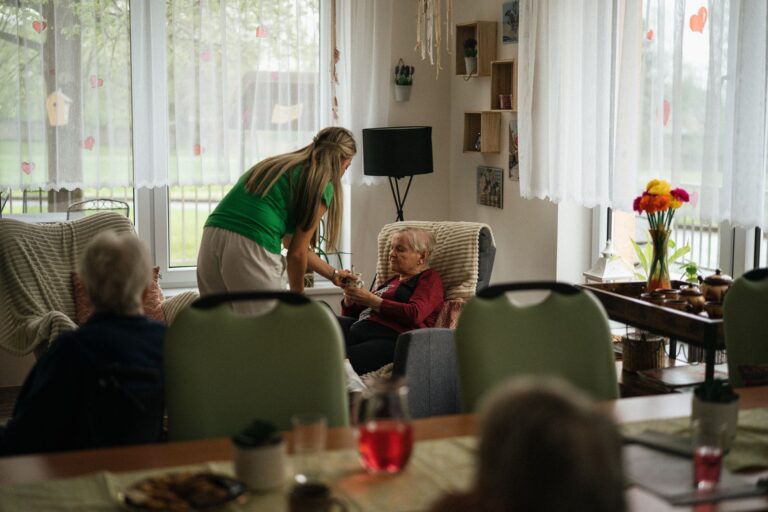
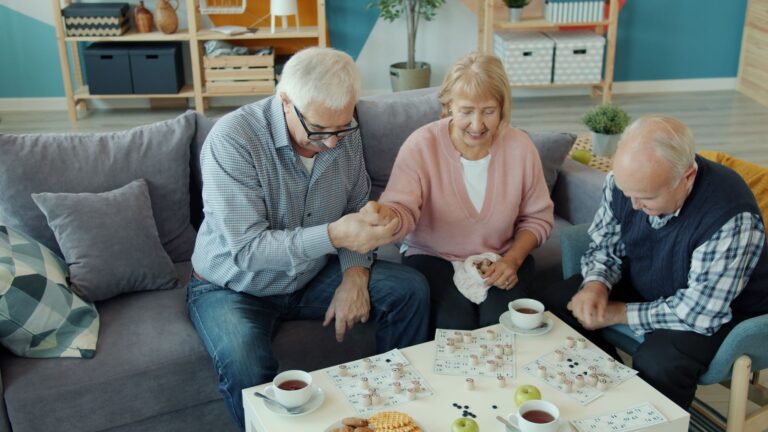
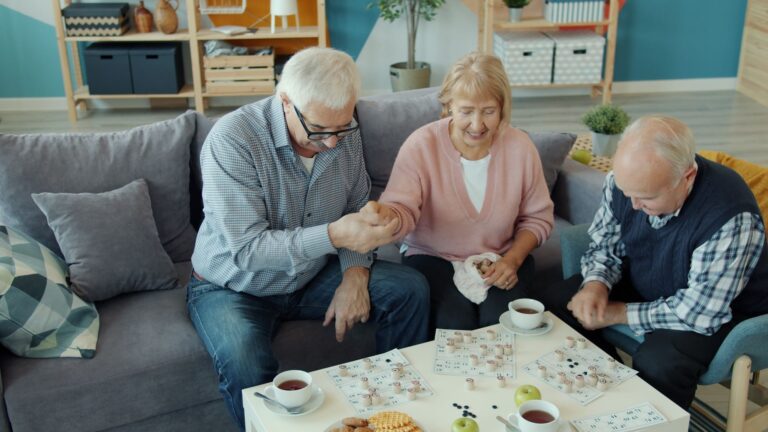
The Alzheimer's Association says planned, structured pleasant activities can reduce agitation and improve mood while giving caregivers more manageable time together, described in its daily care plan. Shared puzzles are a practical low-cost option for that time. They give both people something to look at, touch, and do.
Choose large pieces, high contrast, and a simple picture. Sort edge pieces first, work in daylight, and puzzle for short sessions. Let the person place pieces, match colors, or sort while you connect harder sections. Put unfinished puzzles on a tray to move safely off the table.