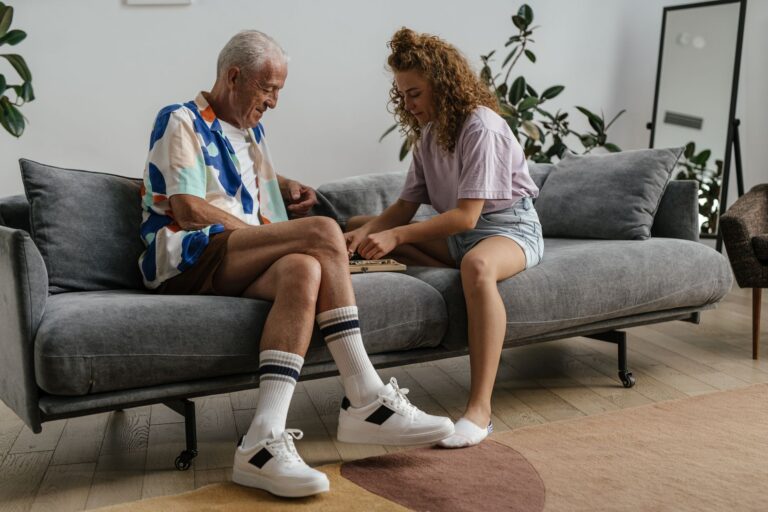
Caregivers pick group games for Lewy body dementia residents by scheduling short sessions at peak alertness and matching play to current abilities and interests. They choose seated, low-fall-risk options with simple steps over standing competition and complex rules.
Lewy body dementia is a brain disorder that causes shifting attention, vivid visual hallucinations, and movement stiffness. Good choices include familiar card games, large-piece dominoes, music-making, and gentle movement games. Alertness, attention, and movement can shift within one day, so caregivers recheck energy, hunger, pain, and medication effects before play.
Medical information disclaimer: This article is for general educational purposes only and does not provide medical advice, diagnosis, or treatment. Always consult a physician or other qualified health professional about symptoms, medications, tests, or treatment decisions.
Table of Contents
- When Should Group Play Happen?
- What Keeps Games Safe for Movement and Vision?
- How Much Thinking Challenge Helps?
- How Do You Adapt in the Moment?
When Should Group Play Happen?
Play works best during the resident's clearest window, often late morning for many people. The Alzheimer's Association notes that structured, pleasant activities set when the person functions best can often reduce agitation and improve mood. Short, predictable game times beat long, unstructured free time. The National Institute on Aging describes day-to-day shifts in attention and alertness with early, detailed visual hallucinations NIA overview of Lewy body dementia symptoms.
So caregivers schedule play for the clearest time and avoid visually confusing materials. Use high-contrast, large-print cards and plain backgrounds. Before each session, check sleep, pain, hunger, and recent medication changes. If alertness drops, shorten the game or switch to music listening.
What Keeps Games Safe for Movement and Vision?
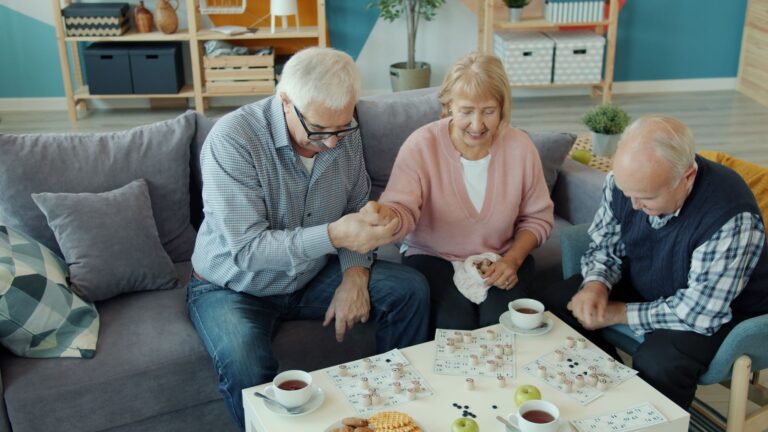
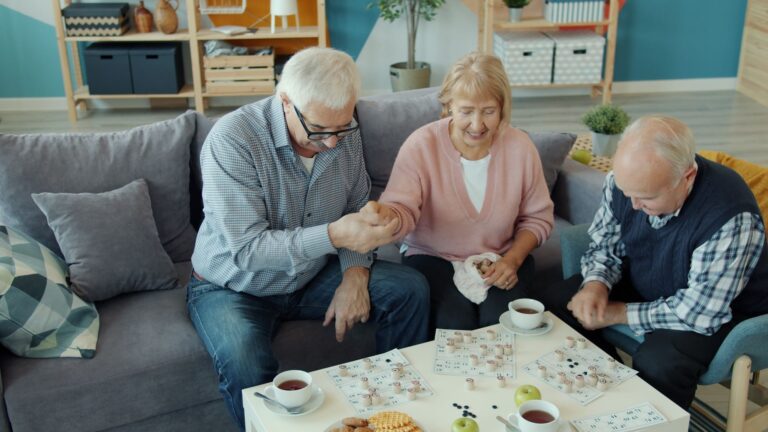
Lewy body dementia often brings parkinsonism with slowness, stiffness, tremor, shuffling steps, and poor balance. The Lewy Body Dementia Resource Center describes these movement symptoms drawn from NIA guidance guide to Lewy body dementia symptoms. Seated games lower fall risk and keep everyone included. Choose chair-based bingo with large cards, balloon toss from chairs, beanbag passing, rhythm clapping, and warm-up stretching.
Use large pieces, plain backgrounds, strong lighting, and high contrast. Avoid small print, busy patterns, flashing toys, and visually crowded boards. Skip standing contests, fast turns, and games that require quick walking or reaching. Adapt physical play with shorter distances, softer balls, and team scoring. Everyone plays from a stable chair with clear floor space.
How Much Thinking Challenge Helps?
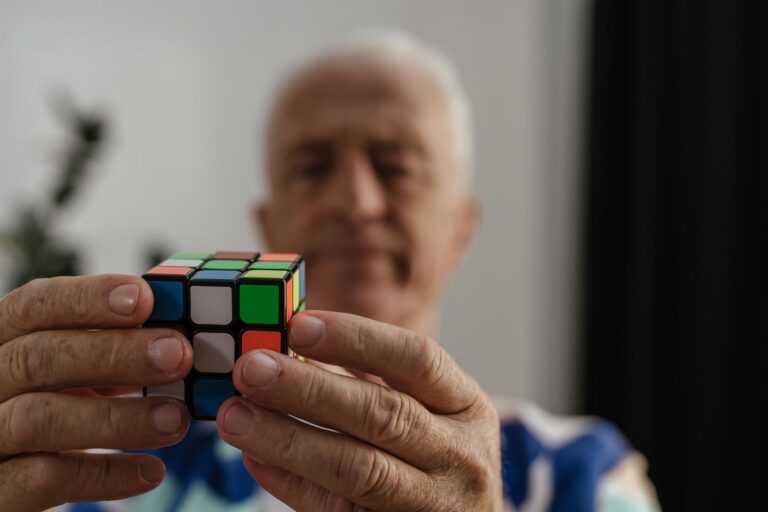
Mayo Clinic advises mind stimulation with games, crossword puzzles, and other thinking activities that might help slow mental decline Mayo Clinic guidance on Lewy body dementia care. Creative options include painting, singing, and music-making. Pick one clear goal per session, such as finish one song or one puzzle round. The Alzheimer's Association advises matching activities to current abilities and lifelong interests.
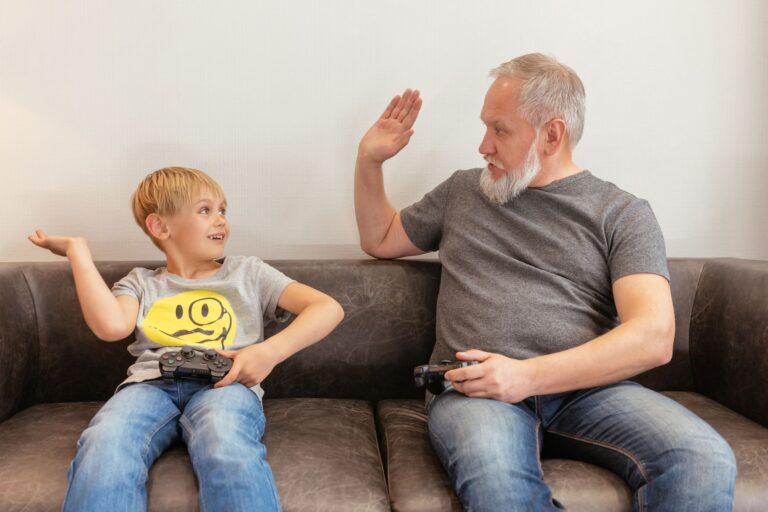
Start any new game at its easiest version. Simplify a familiar favorite instead of teaching complex new rules. Mayo Clinic authors writing for the Lewy Body Dementia Association link gentle exercise to better physical function, behavior, mood, and coping. That supports short walks, seated stretches, and simple movement games in group time. Keep effort light and let residents opt out anytime.
How Do You Adapt in the Moment?
The National Institute on Aging advises matching the task to what the person can do, with simple steps and extra time NIA guide to adapting activities for dementia. Stop or switch the game if frustration, fatigue, or confusion appears. Short, predictable sessions work better than long free play.
Use this quick check during play: A game that clicks in the morning may flop after lunch. Recheck energy, pain, hunger, and medication effects each session. End early with music or a short walk when focus fades.
- Give one instruction at a time and show the move.
- Allow extra seconds for answers and turns.
- Offer a simpler role instead of benching the player.
- End or swap the game at the first sign of strain.