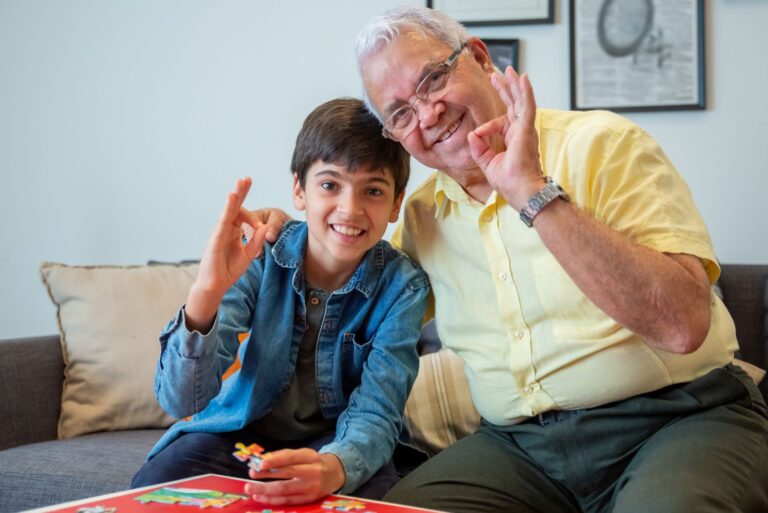
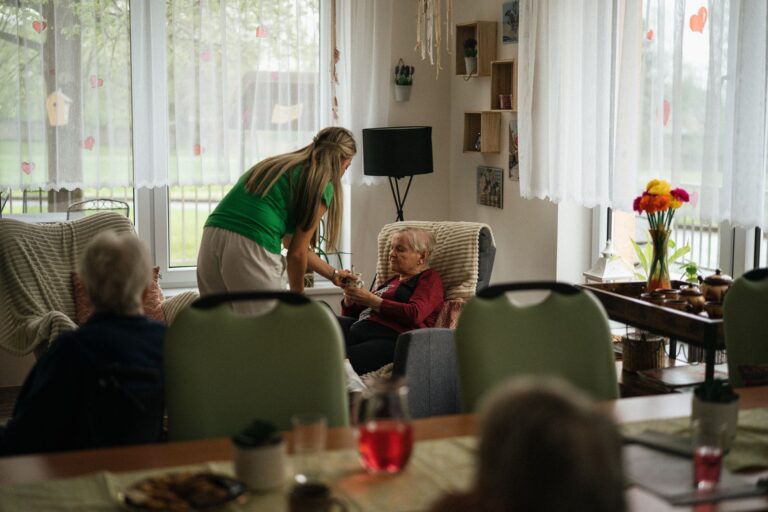
A dementia care game session should usually last 15 to 30 minutes. End the game early if focus fades or frustration builds.
A dementia care game is a simple matching, word, puzzle, or movement activity chosen to support mood and thinking. Short play fits limited attention and energy. Plan for a good stop, not a long run.
Medical information disclaimer: This article is for general educational purposes only and does not provide medical advice, diagnosis, or treatment. Always consult a physician or other qualified health professional about symptoms, medications, tests, or treatment decisions.
Table of Contents
- Let attention set the stopping point
- What time ranges do programs use?
- Do movement games need a different length?
- How can caregivers build up time safely?
Let attention set the stopping point
The Alzheimer's Association advises caregivers to end or change an activity when attention wanes or frustration rises, as described in the Association's activities guidance. That makes engagement the real timer. Minutes matter less than mood, focus, and comfort.
Watch the face, hands, and pace. Slower answers, sighs, restlessness, or pushing pieces away signal a break. Stopping at the first sign protects dignity and keeps play welcome tomorrow.
What time ranges do programs use?
University College London describes Cognitive Stimulation Therapy as fourteen 45-minute small-group sessions, twice weekly for seven weeks, in UCL's evidence summary for the therapy. The program serves people with mild-to-moderate dementia. Cognitive Stimulation Therapy means guided group activities for memory, language, and problem solving.
A UK trial for mild cognitive impairment used 24-minute sessions as three 8-minute games, per the ICH GCP trial record. That trial prescribed play 5 days per week for 10 weeks. Short blocks keep variety high and fatigue low.
Do movement games need a different length?
A literature review of exergames for dementia reports typical doses of 15-30 minutes per session, as summarized in the MDPI Proceedings review. Exergames combine light movement with thinking tasks, such as stepping, cycling, or dancing with cues. Group programs may reach 30-50 minutes, three times weekly for about 12 weeks when intensity stays low.
Use the lower end for frailty, poor balance, or late-day fatigue. Choose seated movement, clear floors, and sturdy support. Stop for breathlessness, pain, or confusion.
How can caregivers build up time safely?
Start at 15-30 minutes and extend toward 45 minutes only if attention and mood stay positive. Longer prevention-trial sessions may overtax a person with active dementia.
Fit the dose to today's sleep, pain, noise, and mood. Keep the structure simple and repeatable. Offer choice, give one instruction at a time, and praise effort.
- Start with an easy win for 5 minutes.
- Switch games before boredom sets in.
- End with a success and note what worked for next time.