The best card games for someone with memory loss are simple, familiar games such as Go Fish, Old Maid, rummy, Uno, War and matching pairs. Familiar rules reduce confusion and keep attention on social time rather than learning.
Memory loss here means ongoing difficulty with recall and attention, often linked to dementia. The right choice depends on stage, energy and past interests. Short, low-pressure games work best.
Medical information disclaimer: This article is for general educational purposes only and does not provide medical advice, diagnosis, or treatment. Always consult a physician or other qualified health professional about symptoms, medications, tests, or treatment decisions.
Table of Contents
- Why familiar games help most
- Which games match different needs
- How do you keep the same game playable longer?
- How should caregivers set up play?
Why familiar games help most
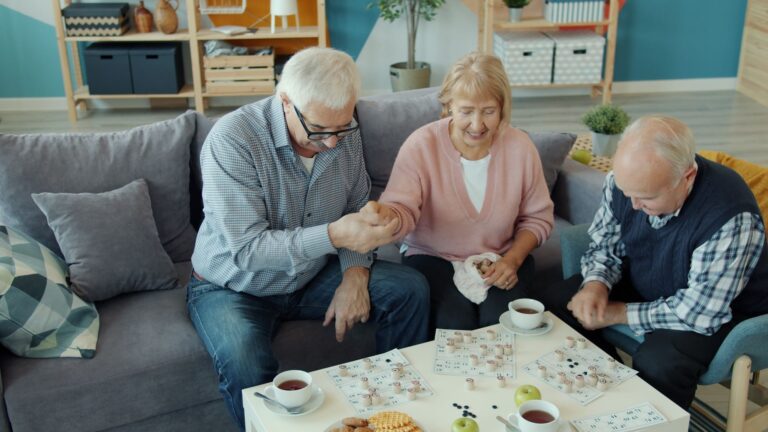
Games the person played before memory loss give mental stimulation plus social interaction. According to Care.com, familiar favorites such as Go Fish, Old Maid, rummy and Uno are especially helpful because recognition supports participation Care.com's guide to games for seniors with dementia.
Familiar structure can also trigger pleasant memories. According to Ultimate Care NY, Go Fish and memory-matching games promote recall and use a known format that can be adjusted to ability Ultimate Care NY's 2025 guide to dementia games.
Which games match different needs
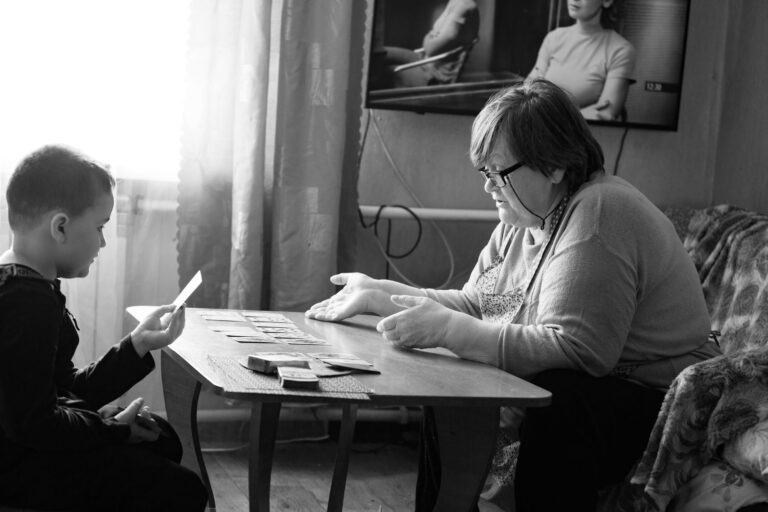
Go Fish and Memory Match exercise recall. Suit- or number-matching games such as rummy support concentration and attention span. For major memory loss, War is a strong option. It needs only a standard deck, seats two to four players and asks players only to compare cards.
That simple turn keeps frustration low. Dementia-designed Snap sets offer another path. They use high-contrast, simple pictures with three levels — Snap, Pairs and Full House. That design lets people in early or later stages play with less help.
How do you keep the same game playable longer?
Reduce demands instead of changing games. Matching-pairs play can continue as dementia progresses by using fewer face-down pairs.
Keep sessions short and calm. Play at a good time of day, when the person is rested and alert. Stop while the mood is still positive.
- Choose a known game over a new game
- Use large, high-contrast cards
- Play fewer pairs or shorter rounds
- Allow open hands or extra prompts
- Praise effort and enjoyment over correct play
How should caregivers set up play?
Match the game to dementia stage, energy, time of day and prior interests. Keep rules simple. Prioritize enjoyment over correct play. Let the person handle cards when possible.
Shuffling, dealing, sorting by color or flipping pairs all count as participation. If rules cause stress, drop them and keep taking turns together. Long-term play has added value. A French Paquid cohort study with 20 years of follow-up found board-game players had less cognitive decline and depression, supporting regular simple game play to help preserve cognition.