Yes. Simple games can ease isolation for people with memory problems, including mild cognitive impairment, an early stage with clear memory slips that do not block daily life. Both solo pastimes and group games show links to steadier memory and less loneliness.
Isolation means few contacts. Loneliness means feeling alone. For brain health, the feeling often matters more than the headcount.
Medical information disclaimer: This article is for general educational purposes only and does not provide medical advice, diagnosis, or treatment. Always consult a physician or other qualified health professional about symptoms, medications, tests, or treatment decisions.
Table of Contents
- Why does feeling lonely harm memory?
- What can solo games and hobbies do?
- Which group games build connection?
- When should families act, and what are the limits?
Why does feeling lonely harm memory?
Loneliness and isolation are not the same risk. The University of Waterloo School of Public Health Sciences found loneliness alone had the second-greatest negative impact on memory, separate from objective isolation, in University of Waterloo findings on loneliness and memory loss.
That distinction shapes choices. People with little social contact but little loneliness may still protect memory with solo stimulating activity such as reading, playing games and hobbies, according to the same Waterloo team.
What can solo games and hobbies do?
Frequent mental activity is linked to better thinking in early impairment. Texas A&M School of Public Health reports older adults with mild cognitive impairment who often did word games, puzzles, reading and hobbies had better memory, working memory, attention and processing speed than low-activity peers, in the Texas A&M report on games and cognitive decline.
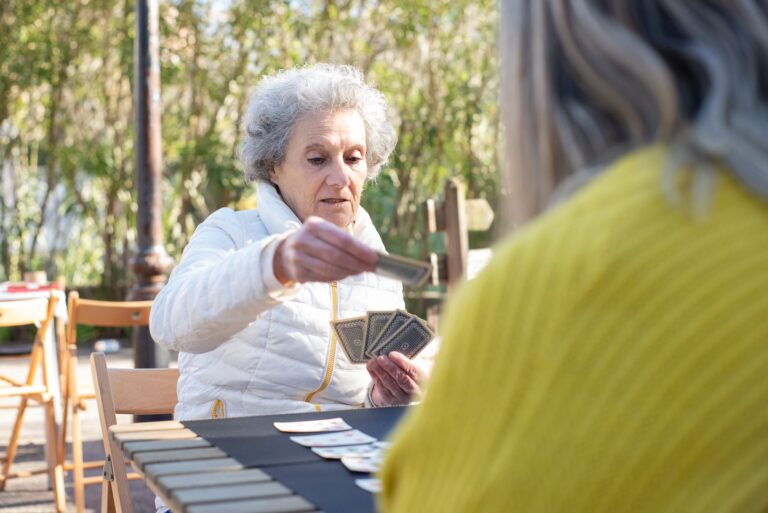
Good options include crossword puzzles, jigsaw puzzles, card solitaire, word searches and short reading sessions. Pick familiar tasks with clear steps and a set time, such as 20 minutes after lunch.
Which group games build connection?
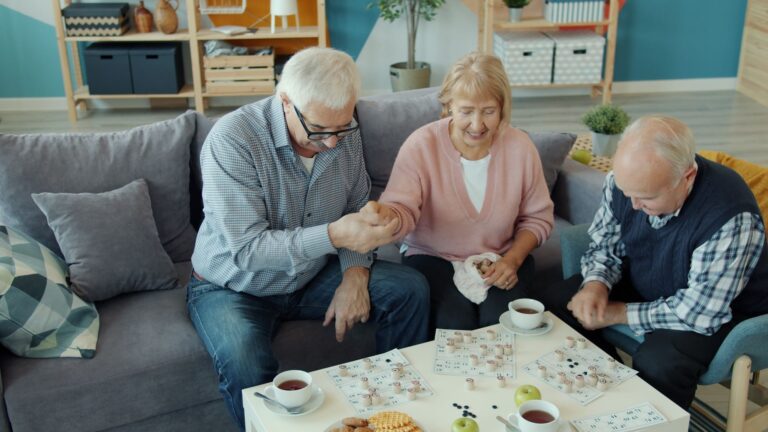
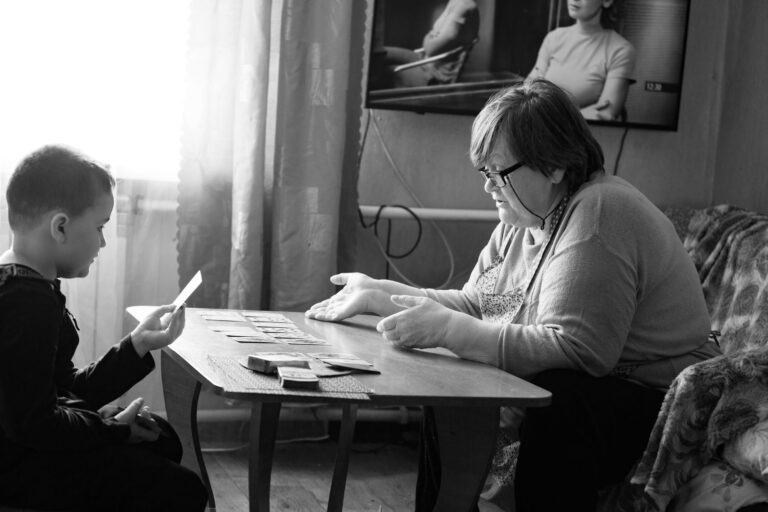
Social play adds contact around the game itself. A 2025 healthcare scoping review found team-based Wii Bowling sessions lowered loneliness in older adults, and intergenerational play through the IRAGE platform reduced isolation, with social interaction as the key mechanism.
Structured board-game programs also improved interpersonal communication, self-efficacy and perceived loneliness by the end of the program, according to the Frontiers in Psychology review Aging with board games, described in the Frontiers review of aging with board games. A Taiwanese program in long-term-care homes found greater cognitive gains and greater loneliness reduction at week 6 than in the comparison group.
When should families act, and what are the limits?
Withdrawal from work or social activities is one of the Alzheimer's Association's 10 warning signs of Alzheimer's and dementia. That shift marks the group games aim to reach, so do not wait for total withdrawal.
Game benefits for loneliness remain early evidence from small, short pilot and quasi-experimental studies in care settings. They do not prove games prevent dementia, and people with impairment often need adapted rules and support.
- Choose one familiar game with short turns
- Schedule it at the same time twice a week
- Adapt print size, pace, teams and session length to vision, hearing and attention
- Ask the care team to match difficulty and track mood, sleep and participation