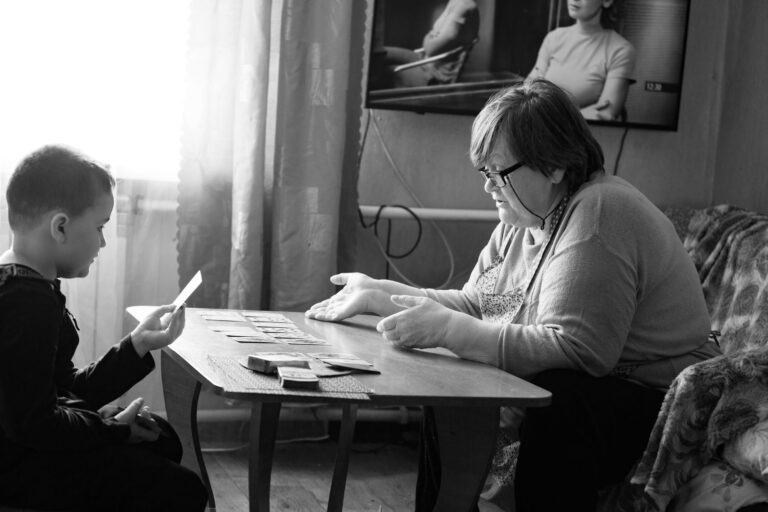
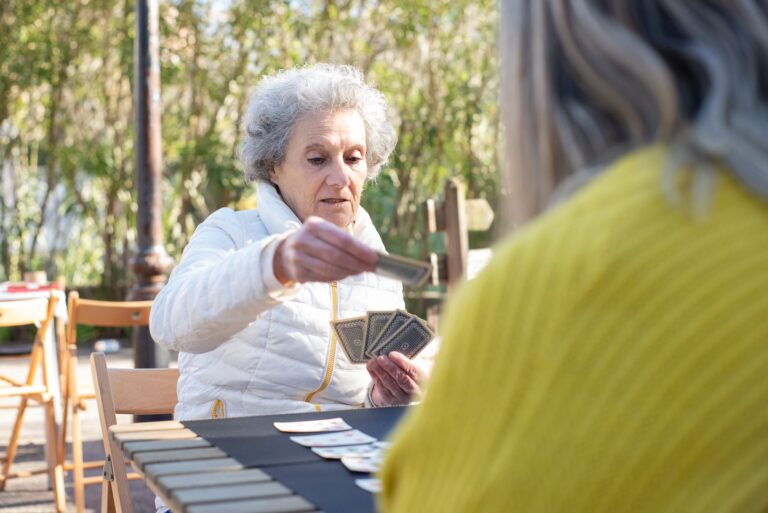
Caregivers choose fall memory care games by first reviewing the person's past interests and current abilities, then adapting a familiar pastime to autumn. Memory care in this context means structured play that supports comfort, engagement, and connection for a person living with dementia.
Autumn gives natural prompts like leaves, harvest foods, photos, and seasonal songs. The goal is participation and enjoyment, not correct answers or winning. Short, seated, well-lit sessions help the person stay comfortable and steady.
Medical information disclaimer: This article is for general educational purposes only and does not provide medical advice, diagnosis, or treatment. Always consult a physician or other qualified health professional about symptoms, medications, tests, or treatment decisions.
Table of Contents
- Start With What the Person Knows and Loves
- Which Games Fit Each Stage?
- How Do You Keep Play Calm and Successful?
- How Do You Balance Rest and Fall Safety?
Start With What the Person Knows and Loves
The Alzheimer Society of Manitoba recommends inventorying past and present interests before picking a game Selecting Activities sheet. Adapt a formerly enjoyed hobby instead of teaching something unfamiliar.
A former gardener might plant seeds indoors in fall rather than learn a new board game. For autumn play, use family photos, seasonal music, and objects to hold and touch. The Alzheimer Society of Canada notes that handling objects can trigger distant pleasant memories better than pictures alone finding suitable activities guide.
Which Games Fit Each Stage?
Dementia Australia advises matching game complexity to dementia stage activities guide. Early-stage options include card, board, word, and jigsaw games.
Middle-stage play means simplified familiar tasks with guidance, while late-stage play shifts to sensory activities like music, textures, and scents. Ask what the person can still do with pleasure today, not what they once mastered. If rules cause frustration, simplify the task or switch to listening, sorting leaves by color, or feeling autumn fabrics.
How Do You Keep Play Calm and Successful?
Break each game into single easy steps and allow extra time. Show each step yourself rather than explaining it in words. Reward effort and participation, not winning or correct answers.
This demonstrate-first approach follows the same Alzheimer Society of Manitoba guidance. The Alzheimer Society of Canada cautions against quizzing memory with specific factual questions. Use shared statements like this song reminds me of harvest time instead of putting the person on the spot. If seasonal memories bring strong or painful feelings, pause and offer comfort.
- Offer one step at a time.
- Demonstrate, then invite the person to copy.
- Allow extra time and praise participation.
How Do You Balance Rest and Fall Safety?
The Alzheimer's Association advises short game sessions with breaks and quiet time. People with Alzheimer's often need more frequent pauses and changes of task. End before tiredness appears, then rest.
Choose seated or well-supported games, with comfortable well-fitting shoes, clear walking paths, and good lighting. An evidence summary from Healthy People 2030 notes that balance, gait, and strength exercise helps prevent falls in adults 65 and older evidence summary on exercise for fall prevention. Most game-selection advice reflects expert consensus, not a prescription, according to guidance reported by the Government of Northern Ireland nidirect service. Stop or adapt the activity if you see fatigue, agitation, or distress, and keep the plan consistent across carers.