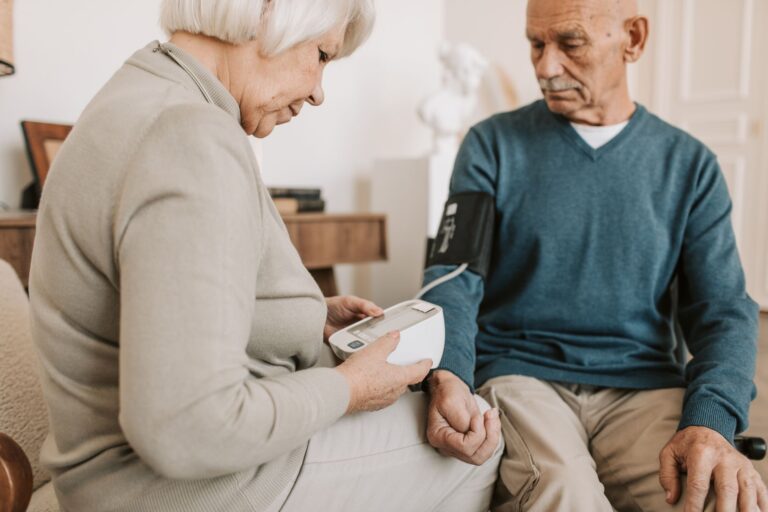
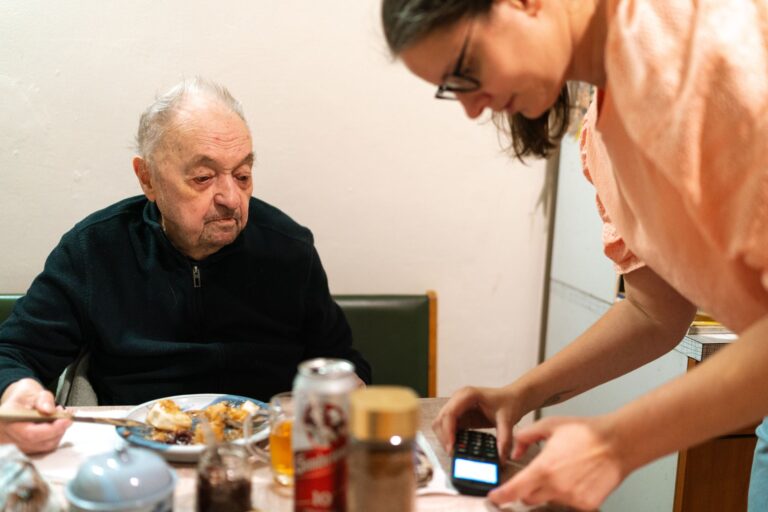
Yes, playing cognitive mobile games can sharpen specific skills like processing speed for older adults, including Alzheimer's caregivers. They help most when paired with sleep, physical activity, and social engagement. Brain health here means thinking clearly, remembering well, and processing information quickly.
Family caregivers face heavy time demands that can squeeze sleep and self-care. According to the Alzheimer's Association, nearly 12 million U.S. family members provided about 19.2 billion hours of unpaid dementia care in 2024 2025 Facts and Figures report.
Medical information disclaimer: This article is for general educational purposes only and does not provide medical advice, diagnosis, or treatment. Always consult a physician or other qualified health professional about symptoms, medications, tests, or treatment decisions.
Table of Contents
- Why caregiving strains thinking
- What do mobile games actually improve?
- Where are the limits?
- What else protects brain health?
Why caregiving strains thinking
Dementia care often means broken sleep, constant vigilance, and little downtime. Stress narrows attention and drains working memory during the day. Over time, less exercise and social contact can further dull sharpness.
Caregivers also juggle medications, appointments, meals, and safety checks. Each task alone feels small, but together they create mental overload. That overload leaves less energy for clear thinking and patient problem-solving.
What do mobile games actually improve?
According to researchers writing in Scientific Reports, about 12,000 adults aged 60 to over 80 trained with cognitive mobile games across 100 sessions analysis of 100 training sessions. Game scores and processing speed rose regardless of age. The gain was specific, not a broad memory boost.
Processing speed means how fast you notice, decide, and respond. Faster processing helps you follow a recipe, spot a fall risk, or switch tasks safely. Those small speed gains matter in busy caregiving days.
Where are the limits?
Brain games mostly train the exact task you practice. Better scores do not guarantee better driving, work performance, or delayed aging effects. Expect sharper game skills first, with modest transfer to daily life.
The Federal Trade Commission charged Lumosity's maker over unfounded claims that brain games improve work and school performance and delay age-related impairment 2016 enforcement action. The company paid $2 million to settle the 2016 charges. Treat bold marketing promises as sales talk, not medical proof.
What else protects brain health?
According to the National Institute on Aging, brain care rests on movement, sleep, health control, and engagement cognitive health guidance. That means physical activity, seven to nine hours of sleep, managed health conditions, and social plus mental activity.
Games can supply only the last piece. Start small: pick one game, play ten focused minutes, then take a walk outside. If play feels frustrating or cuts into sleep, stop and choose rest instead.
- Walk most days, even in ten-minute blocks.
- Keep a steady bedtime and morning light exposure.
- Treat blood pressure, hearing loss, and low mood promptly.
- Call a friend, join a group, and mix puzzles with reading.