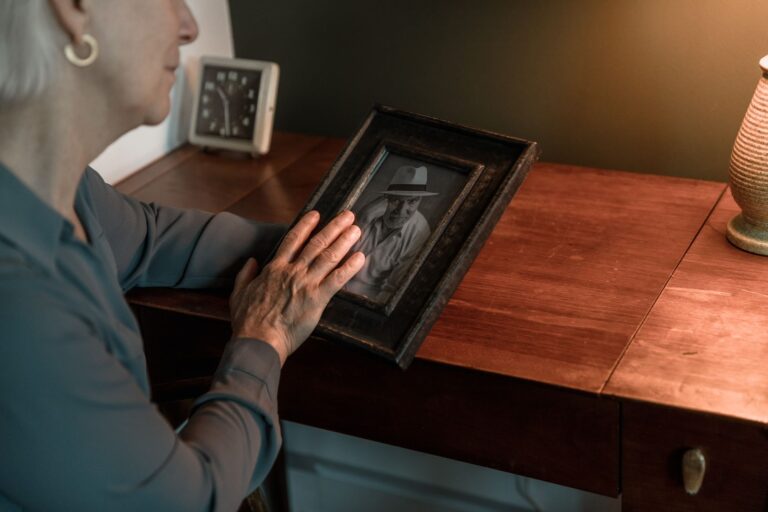
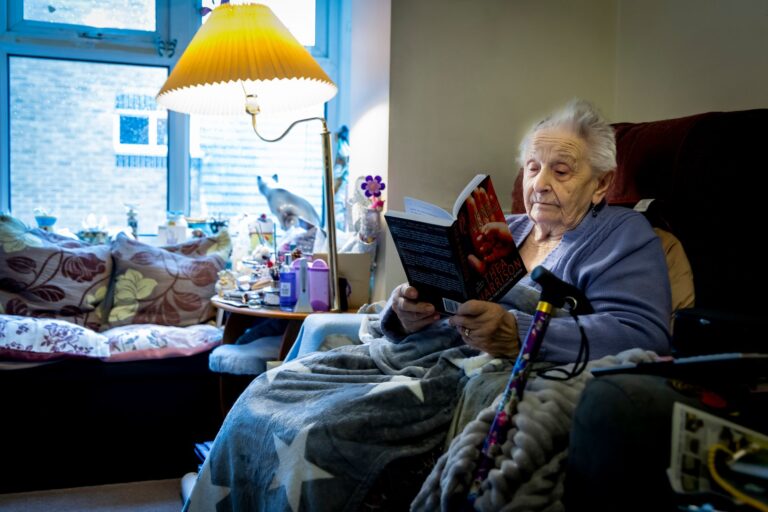
Welcoming a parent with Alzheimer's home for the holidays can create comfort and connection through brief, familiar activities. These small moments can support engagement, but they do not slow or treat the disease. Alzheimer's disease is a progressive brain disorder that damages memory and thinking until everyday tasks become difficult. It is the most common cause of dementia, and symptoms usually begin after age 65, according to the National Institute on Aging.
Medical information disclaimer: This article is for general educational purposes only and does not provide medical advice, diagnosis, or treatment. Always consult a physician or other qualified health professional about symptoms, medications, tests, or treatment decisions.
Table of Contents
- What can a small moment accomplish?
- How should you choose an activity?
- What kind of gathering is easier to manage?
- Is the family home ready?
- Share the work with specific requests
What can a small moment accomplish?
A meaningful moment does not require a long conversation or a perfect celebration. It might be folding napkins together, hearing a familiar song, or sharing a quiet snack. The best available trial evidence supports using activities suited to the person's abilities and interests. In a randomized trial of 250 caregiver–patient pairs, a structured activity program improved assistance with daily tasks and caregiver well-being after three months.
It did not reduce agitation or aggression, as reported by Gitlin and colleagues in BMC Geriatrics. That program involved up to eight home visits, dementia education, and caregiver stress-reduction support. It does not prove that one holiday visit will produce the same benefits. A more realistic goal is helping the parent feel included without creating unnecessary pressure.
How should you choose an activity?
Start with the parent's present abilities, not with what they handled during past holidays. Choose a simple task connected to a familiar interest, and offer help without taking control too quickly. Possible activities include: Keep the activity short and optional.
The Alzheimer's Association holiday guidance recommends adapting involvement to the person's abilities and preferences. Watch the parent's response rather than trying to finish the task. If confusion, frustration, fatigue, or unsafe behavior appears, simplify the activity or stop. Quiet companionship can be more supportive than urging continued participation.
- Placing napkins or safe decorations on the table
- Stirring or measuring ingredients with supervision
- Listening to familiar seasonal music
- Looking through a small selection of family photographs
- Taking a brief, accompanied walk or drive
What kind of gathering is easier to manage?
Preserve the parent's usual routine where possible, including regular meals and rest. A smaller, casual gathering may be easier than a crowded event with several conversations happening at once. If confusion or agitation tends to increase in the evening, celebrate earlier.
Give the parent a quiet place to rest and limit arrivals, departures, loud music, and cross-talk. Prepare visitors before the gathering. Ask them to speak one at a time, allow extra time for answers, and avoid testing the parent's memory. If the parent gets a detail wrong, correcting it may add distress without improving the visit.
Is the family home ready?
A familiar home is not automatically a safe home. Alzheimer's can affect a person's ability to recognize hazards, use appliances, or call for emergency help.
Before the visit, use the NIA home-safety guidance to check: Match supervision to the parent's current needs. Do not assign a kitchen task, walk, or outing simply because the parent completed it safely in the past.
- Clear walking paths and remove loose rugs or cords
- Improve lighting and make railings secure
- Lock medicines, chemicals, tools, and other dangerous items
- Supervise cooking and restrict unsafe appliance use
- Keep exits and stairways easy for caregivers to monitor
Share the work with specific requests
Holiday care should not fall silently to one person. In 2024, 11.9 million unpaid U.S. caregivers provided 19.2 billion hours of dementia care, according to the Alzheimer's Association.
Turn general offers of help into clear assignments. Ask one relative to bring a meal, another to sit with the parent during cleanup, and another to manage transportation or a short outing. Choose one person to monitor fatigue, medications, meals, and safety during the gathering. That practical support can give the primary caregiver time to eat, rest, or spend an unhurried moment with the parent.