
Reviewed by the Help Dementia Editorial Team — our editors review every article for accuracy against guidance from the National Institute on Aging, the Alzheimer’s Association, and peer-reviewed sources.
Eating more sits at the center of this dementia and brain health question.
A three-year study from Singapore provides compelling evidence that eating more curcumin—the active compound in turmeric—significantly reduces dementia risk in older adults. Researchers following nearly 3,000 participants with a mean age of 65.5 years found that those who consumed curry daily had a mild cognitive impairment or dementia incidence of just 3.6%, compared to 13.1% in those who never or rarely ate curry. This represents a reduction in risk of more than 70%, suggesting that dietary choices we make in midlife and early old age may have profound protective effects against cognitive decline. The Singapore Longitudinal Ageing Study is particularly noteworthy because it followed a large, ethnically diverse population over an extended period—most participants were assessed over 4.5 years on average.
Of the original 2,920 participants, researchers specifically tracked 2,446 individuals who had no neurocognitive disorder at the start of the study, making this a real-world examination of how dietary patterns affect the transition from normal cognition to mild cognitive impairment or dementia. The results showed a clear dose-dependent relationship: the more frequently people consumed curry, the lower their dementia risk became, with a statistically significant decreasing linear trend (p = 0.037). What makes this research particularly valuable is that it moves beyond laboratory findings to show what actually happens when people in their normal lives consume curcumin-rich foods. For someone concerned about maintaining cognitive health as they age, this study suggests that something as simple and accessible as adding curry dishes to your weekly meals may offer meaningful protection against one of the most feared consequences of aging.
Table of Contents
- What the Three-Year Singapore Study Reveals About Curry Consumption and Cognitive Decline
- How Curcumin Protects the Brain: Mechanisms Behind the Risk Reduction
- Brain Imaging Evidence: What Happens Inside the Brain
- Getting Curcumin Into Your Diet: Food Versus Supplements
- The Bioavailability Challenge and Why Clinical Results Have Been Mixed
- Optimal Dosage and How to Choose a Supplement If You Go That Route
- The Bigger Picture: Where Curcumin Fits Into Dementia Prevention
- Conclusion
What the Three-Year Singapore Study Reveals About Curry Consumption and Cognitive Decline
The Singapore research builds on decades of basic science suggesting curcumin’s neuroprotective properties, but it’s the first major population study to quantify the real-world protective effect in a large cohort. The researchers carefully documented consumption frequency—from “never or rarely” to “occasionally,” “regularly,” and “daily”—and found that the protective effect increased with frequency. Someone eating curry several times a week showed better cognitive outcomes than someone eating it occasionally, and those eating curry daily showed the best outcomes of all. This wasn’t a small or short-term effect. Over the three to five years of follow-up, 13.1% of the non-curry consumers developed mild cognitive impairment or dementia, whereas only 3.6% of daily curry consumers did.
To put this in practical terms: if 100 older adults never ate curry, you’d expect roughly 13 to develop cognitive impairment over three to five years. Among 100 older adults eating curry daily, you’d expect fewer than 4. The difference between these two outcomes—nearly 10 percentage points—is substantial in public health terms. The study’s strength lies in its population-based approach. The participants weren’t volunteers who had already decided to optimize their diets; they were a representative sample of older Singaporeans followed prospectively, meaning researchers tracked them over time rather than asking them to recall their diets after the fact. This design reduces the bias that comes when people with family histories of dementia may already be more likely to seek out protective foods.

How Curcumin Protects the Brain: Mechanisms Behind the Risk Reduction
Curcumin’s neuroprotective effects operate through multiple pathways that researchers have identified in laboratory and animal studies. The compound is a potent antioxidant, meaning it neutralizes free radicals—unstable molecules that damage cells and accumulate with age. A 2025 systematic review found that in animal studies, curcumin reduced malondialdehyde (MDA), a key marker of oxidative damage, in all studies that measured it. This suggests curcumin actively reduces the cellular damage that contributes to cognitive decline. Beyond antioxidant activity, curcumin also acts as a powerful anti-inflammatory agent. Brain imaging and animal studies show that chronic inflammation plays a key role in neurodegenerative diseases including Alzheimer’s disease and other forms of dementia.
Over 80% of animal studies reviewed in recent meta-analyses showed that curcumin reduced pro-inflammatory cytokines including TNF-α, IL-6, and IL-1β—molecules that drive neuroinflammation. In mice and rats, enhancing curcumin activity led to improvements in spatial memory and learning in approximately 80% of studies reviewed, involving more than 570 animals total. However, it’s important to recognize that most of this evidence comes from animal models. When researchers moved to human trials, the results have been less consistent and more complicated by a major challenge: bioavailability. Curcumin as it naturally occurs in turmeric is poorly absorbed by the human body, meaning most of what you eat passes through without being used. This bioavailability issue explains why some human studies show benefits while others show limited effects—the actual amount of curcumin reaching the bloodstream and brain varies widely depending on how it’s consumed or supplemented.
Brain Imaging Evidence: What Happens Inside the Brain
One of the most direct pieces of evidence for curcumin’s effects comes from brain PET scanning studies that visualize what’s actually happening in the brains of people taking curcumin supplements. In a study published in the American Journal of Geriatric Psychiatry, volunteers taking a bioavailable form of curcumin called Theracurmin showed measurable reductions in amyloid and tau accumulation in brain regions responsible for memory and emotional function after just 18 months. Amyloid and tau are the hallmark proteins of Alzheimer’s disease pathology, and seeing them decrease in living human brains is significant. This imaging data helps bridge the gap between animal studies showing curcumin reduces these pathological proteins and the Singapore population study showing dementia risk reduction.
The mechanism appears to involve multiple steps: curcumin reaches the brain, modulates inflammation and oxidative stress, and reduces the accumulation of the proteins that damage neurons. The fact that benefits were visible on brain scans after 18 months suggests that the protective effects aren’t theoretical—they’re happening at the cellular and molecular level in actual human brains. That said, the bioavailable form used in these imaging studies (Theracurmin) is a specialized supplement, not the turmeric you’d use in cooking. This highlights an important distinction: the Singapore study showing risk reduction looked at dietary curry consumption, which includes whole turmeric in food form, while the most compelling mechanistic evidence comes from pharmaceutical-grade, bioavailability-enhanced supplements. This gap between what we see in population studies and what we understand from controlled clinical trials remains an important area for future research.

Getting Curcumin Into Your Diet: Food Versus Supplements
The most straightforward approach suggested by the Singapore data is to eat more curry—the traditional dishes that combine turmeric with other spices, typically cooked in oil with vegetables and proteins. Turmeric-based curries, common in South Asian, Southeast Asian, and Indian cuisines, provide curcumin in the context of a whole food, often with fats that may help with absorption. For someone living in a Western country without regular access to curry dishes, this might mean cooking curry at home, eating at restaurants that specialize in curry, or incorporating turmeric into other dishes like rice, soups, or roasted vegetables. However, the Singapore study found that daily consumption was most protective—that’s eating curry nearly every single day. For many people, incorporating curry into daily meals isn’t practical.
This is where supplements enter the picture. A 2025 meta-analysis examining supplement studies found that 0.8 grams (800 mg) of curcumin daily for at least 24 weeks showed optimal cognitive benefits, particularly in older adults and in people of Asian descent. This is substantially higher than the amount you’d get from a typical serving of curry, which might provide 100-200 mg of curcumin at most. The trade-off is important to understand: getting curcumin through diet aligns with the population study’s findings and provides curcumin in the context of whole foods and other beneficial compounds, but achieving the daily consumption levels associated with maximum protection requires commitment. Supplementation can provide consistent, measurable doses but faces the bioavailability challenge and typically costs money. Some people use both approaches—eating curry several times a week and taking a curcumin supplement on other days.
The Bioavailability Challenge and Why Clinical Results Have Been Mixed
Despite the compelling population data and animal studies, human clinical trials of curcumin supplementation have produced inconsistent results. The primary culprit is bioavailability: standard curcumin supplements are poorly absorbed, with studies showing that only a small fraction of the curcumin you consume actually reaches your bloodstream. This is why newer formulations like Theracurmin (used in the brain imaging study) use technologies to dramatically increase absorption—Theracurmin is absorbed roughly 27 times better than standard curcumin powder. For someone considering curcumin supplementation, this creates a practical problem. A cheap, readily available curcumin supplement from most health food stores may provide 500-1000 mg per dose, but if only a small percentage is absorbed, you’re getting far less active curcumin than the dose suggests.
In contrast, higher-quality, bioavailability-enhanced formulations are significantly more expensive but deliver what the label claims. The 2025 meta-analysis concluded that human clinical trials show “inconsistent findings” and that “larger randomized controlled trials are needed”—a direct statement that we don’t yet have definitive proof that supplemental curcumin works reliably in humans the way it does in animal studies. This limitation matters because it means the Singapore study showing the benefits of dietary curry consumption is currently stronger evidence than any supplement study we have. The curry in that study came from whole foods prepared in traditional ways, not isolated curcumin extract. If you’re considering curcumin for dementia prevention, the evidence most directly supports eating curry-containing foods regularly rather than relying solely on supplements, though higher-quality bioavailable supplements may offer additional benefit on top of dietary sources.
Optimal Dosage and How to Choose a Supplement If You Go That Route
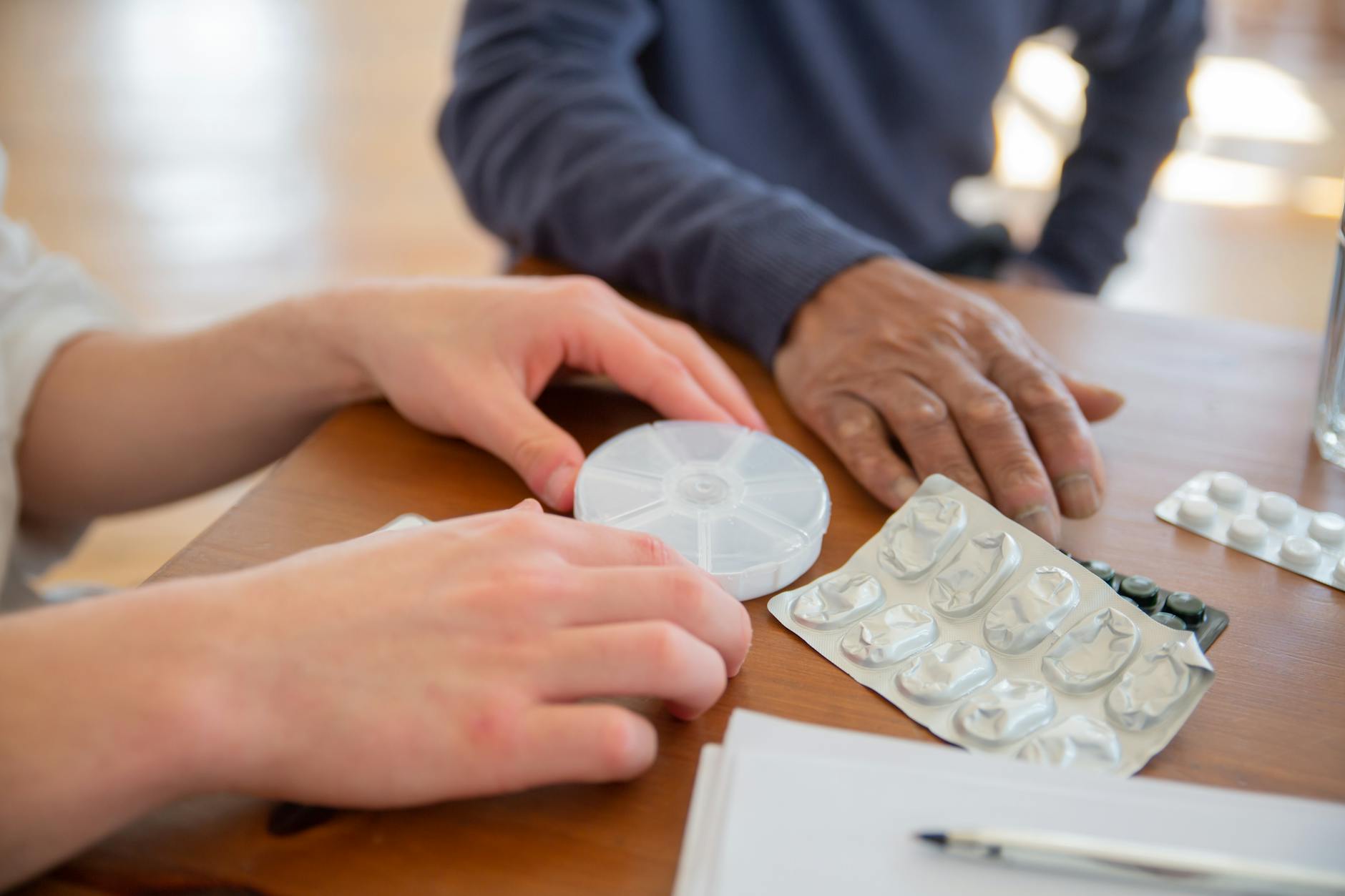
If you decide to pursue supplementation alongside dietary curry consumption, the 2025 meta-analysis provides guidance: 0.8 grams of curcumin daily for at least 24 weeks appears optimal for cognitive benefits. This is a specific, evidence-based target. To achieve this with standard curcumin, you’d typically need to take several capsules daily, and you’d need to use the better-absorbed formulations to make sure meaningful amounts actually get into your system. When evaluating supplements, look for two things: first, bioavailability enhancement (companies will advertise this—terms like “enhanced absorption,” “bioavailable,” or specific trade names like Theracurmin or BCM-95 indicate this); second, third-party testing that verifies the product contains what the label claims.
The supplement industry is minimally regulated, meaning products vary widely in quality and accuracy of labeling. Products tested by organizations like NSF International or United States Pharmacopeia (USP) are more likely to actually contain the curcumin amount listed on the bottle. The optimal supplementation window of “at least 24 weeks” is also important. Curcumin isn’t something that works overnight; consistent intake over months is what produced cognitive benefits in the studies. This means any supplement regimen needs to be something you can sustain, which again points toward the practical appeal of dietary curry consumption—it’s something people can build into their cooking routines rather than remembering to take pills daily.
The Bigger Picture: Where Curcumin Fits Into Dementia Prevention
The Singapore curry study shouldn’t be interpreted as “eat curry and you won’t get dementia.” Dementia has multiple causes and risk factors—genetics, cardiovascular health, cognitive engagement, sleep quality, education, social connection, and physical activity all play roles. Curcumin appears to be one protective factor among many, and it seems particularly potent, but it’s not a substitute for overall cognitive health strategies. The research does suggest that dietary choices matter more than many people realize. A compound found in a spice people have been eating for thousands of years, when consumed regularly, appears to reduce dementia risk by more than 70%.
This isn’t a small effect. It’s the kind of result that usually makes headlines in medical research. The fact that it comes through something as accessible and enjoyable as food rather than a pharmaceutical is noteworthy. For people in midlife or early older age worried about cognitive decline, adding curry to the menu is a low-risk, evidence-supported step that aligns with broader patterns of healthy aging.
Conclusion
The three-year Singapore study provides the most compelling population-level evidence to date that regular curcumin consumption—specifically through curry-containing foods eaten daily—reduces dementia risk by approximately 70%. This finding is supported by mechanistic studies showing how curcumin reduces oxidative stress, inflammation, and accumulation of dementia-related proteins in the brain. While pharmaceutical-grade supplements with enhanced bioavailability show promise in clinical research, the strongest evidence currently supports dietary approaches: eating curry several times weekly, ideally daily, as part of a balanced diet.
If you’re concerned about dementia risk, the evidence suggests adding curry to your regular diet is a reasonable, evidence-based step. If you’re interested in supplementation, look for bioavailability-enhanced products and plan to use them consistently for at least six months. Most importantly, remember that curcumin is one piece of a larger dementia prevention picture that includes physical activity, cognitive engagement, cardiovascular health, and social connection. The Singapore research shows that what we eat matters—and sometimes prevention can come from the spice rack.
You Might Also Like
- Eating More wild blueberries Cuts Dementia Risk According to 10 Year Study
- Eating More walnuts Cuts Dementia Risk According to 5 Year Study
- Eating More turmeric Cuts Dementia Risk According to 7 Year Study
For more, see NIH MedlinePlus — cognitive testing.





